France Vows to Pursue Future Combat Air System Despite Tensions with Germany
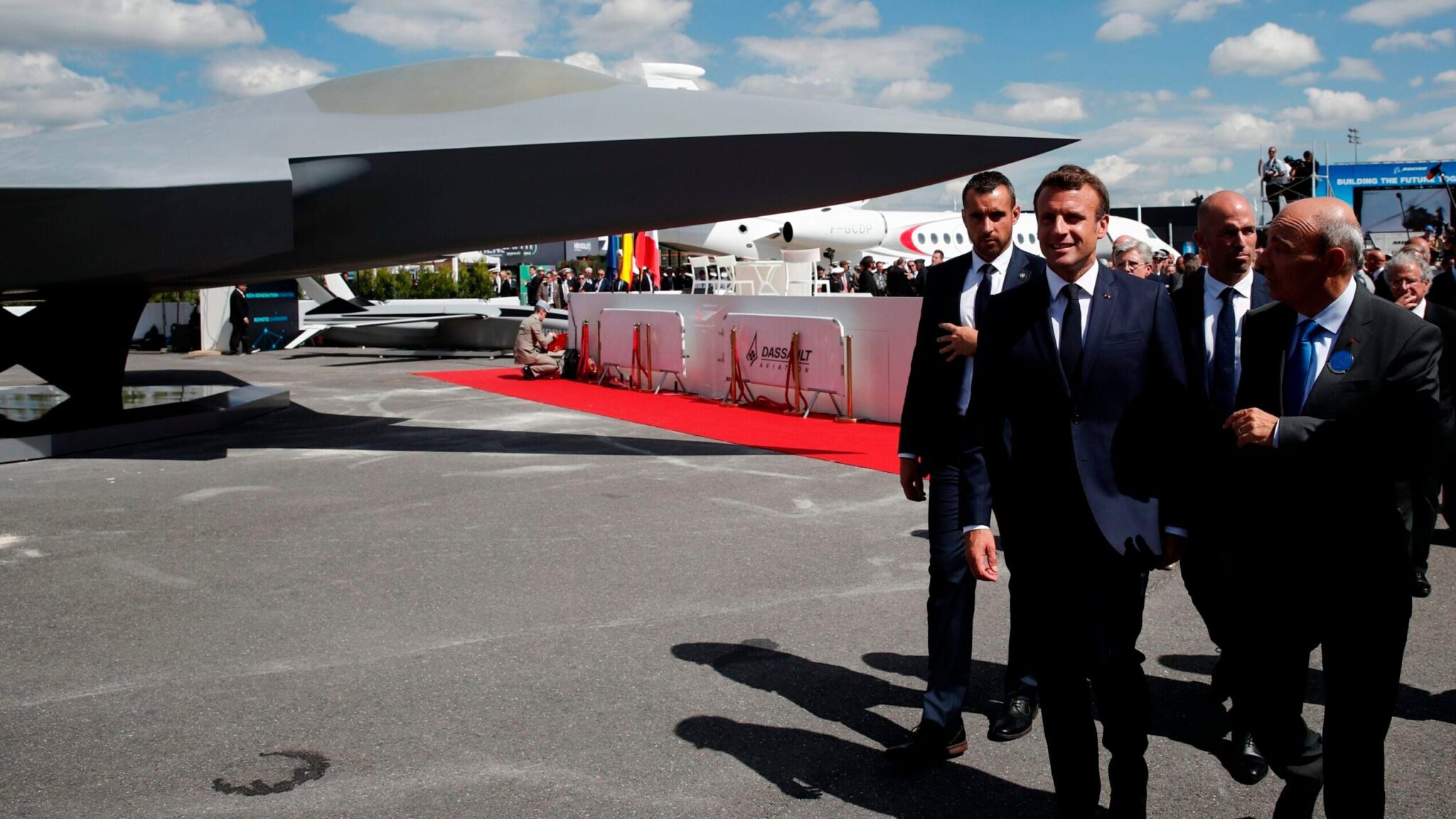
Dassault Aviation CEO Eric Trappier has reaffirmed France’s commitment to the Future Combat Air System (FCAS) project, even as industrial and political tensions with Germany threaten its viability. The CEO’s remarks come amid growing uncertainty over whether Airbus and Dassault can reconcile their differences to co-develop the next-generation fighter jet.
France’s Stance: No Compromise on FCAS
Trappier emphasized that France remains fully invested in the FCAS initiative, a joint effort with Germany and Spain to design a sixth-generation combat aircraft. However, he left the door open for alternative partnerships if Airbus, Germany’s aerospace giant, refuses to collaborate with Dassault.
“We will find other partners if we need to,” Trappier told reporters. “But it’s not up to me to choose their nationality; it’s up to the French authorities to approach other countries to see if they’d like to collaborate on developing a future combat system.”
His comments underscore a stark reality: without Airbus’s participation, the project risks collapse. Trappier bluntly stated, “If Airbus maintains its position of not wanting to work with Dassault, then the project is dead.”
Germany’s Diverging Priorities?
The friction stems from Germany’s recent shift in strategy. Chancellor Friedrich Merz hinted last month that Berlin might prioritize different capabilities in its sixth-generation fighter, signaling a potential departure from the FCAS framework. Trappier dismissed this, citing strong alignment from French authorities.
“France does not support the idea of two aircraft,” he said. “I have heard from the highest levels of my [French] authorities that ‘no, no, no, no, the operational requirements are identical,’ or at least there is agreement at the operational levels.”
French President Emmanuel Macron echoed this sentiment during a recent trip to India, stressing the need for a “common model” among European nations to avoid letting industrial disputes dictate national strategy.
What’s at Stake for Europe?
The FCAS project represents a critical step in European defense autonomy. By developing a next-generation fighter, France, Germany, and Spain aim to reduce reliance on U.S. military technology and create a unified defense industrial base.
- Strategic Implications: A successful FCAS could position Europe as a global leader in advanced aerospace technology.
- Economic Impact: The project is expected to generate thousands of jobs across participating countries.
- Geopolitical Tensions: Delays or failures could weaken European unity and embolden external powers.
Path Forward: Challenges and Opportunities
Trappier’s comments highlight the fragility of multinational defense projects. While France remains steadfast, Germany’s evolving priorities and Airbus’s resistance pose significant hurdles. Key questions remain:
- Can Airbus and Dassault reconcile their differences?
- Will Germany commit to a unified European approach?
- How will France’s search for alternative partners affect project timelines?
Conclusion: A Test of European Solidarity
The Future Combat Air System project is more than a technical endeavor—it’s a test of European cooperation. As France and Germany navigate their disagreements, the outcome will shape the continent’s defense landscape for decades. For now, the FCAS remains a symbol of ambition, but its success hinges on resolving industrial and political divides.
Share your thoughts: Do you think the FCAS can overcome its challenges? Leave a comment below!
FAQs
What is the Future Combat Air System (FCAS) project?
The FCAS is a joint initiative between France, Germany, and Spain to develop a sixth-generation fighter jet, aiming to replace aging fleets and enhance European defense capabilities.
Why is Airbus resisting collaboration with Dassault?
Disagreements over technical specifications, cost-sharing, and industrial partnerships have created friction between Airbus and Dassault, threatening the project’s viability.
How does France plan to proceed if Airbus refuses to cooperate?
France may seek alternative partners, though Trappier emphasized this decision rests with French authorities, not Dassault.
What role does Germany play in the FCAS?
Germany is a key partner, but recent statements from Chancellor Merz suggest Berlin may prioritize divergent capabilities, raising concerns about alignment.
What are the implications of a failed FCAS project?
A collapse could delay European defense modernization, weaken industrial partnerships, and increase reliance on foreign military technology.