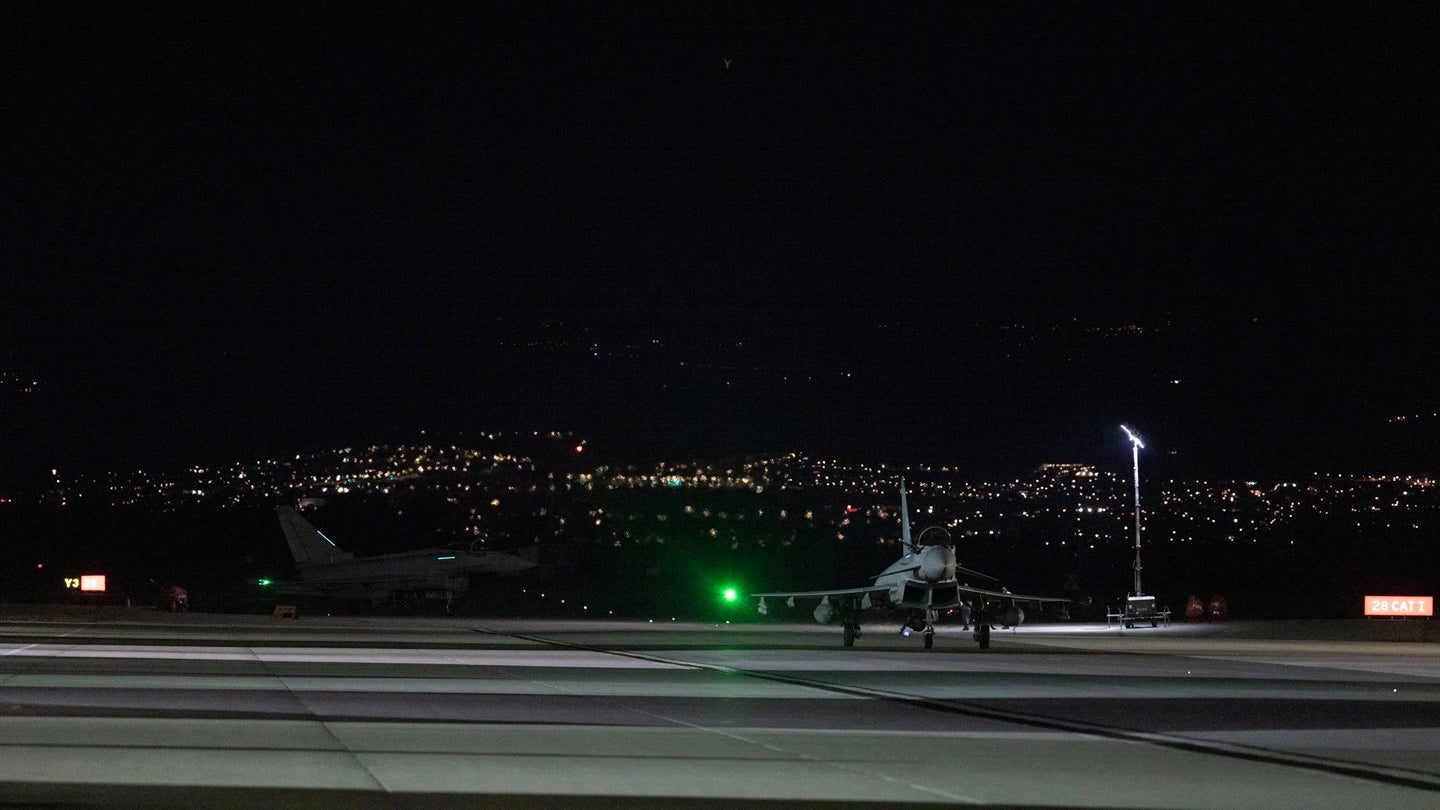
Tragic Friendly Fire Incident in Kuwait: 3 US F-15E Fighters Lost
On March 2, 2026, a devastating friendly fire incident over Kuwait resulted in the loss of three US F-15E Strike Eagle fighter jets. The US Central Command (CENTCOM) confirmed the incident, which occurred during the ongoing US-Israeli military campaign against Iran, codenamed Operation Epic Fury. All six aircrew ejected safely and are in stable condition, but the event highlights the risks of complex military operations in volatile regions.
What Caused the Friendly Fire Incident?
CENTCOM attributed the crash to a “mistaken identification” by Kuwaiti air defenses. During active combat involving Iranian aircraft, ballistic missiles, and drones, the F-15E fighters were erroneously targeted. The incident underscores the challenges of distinguishing between hostile and allied forces in high-stakes conflict zones.
Key Details of the Incident
- Location: Over Kuwaiti airspace.
- Date: March 2, 2026.
- Aircraft: Three US F-15E Strike Eagles.
- Crew Status: All six personnel recovered safely.
Broader Context: Escalating Tensions in the Middle East
The incident follows a surge in military activity in the region. The UK Ministry of Defence reported an Iranian drone attack on RAF Akrotiri in Cyprus, prompting heightened defensive measures. Meanwhile, the US-Israeli campaign against Iran has intensified, with reports of strikes on Iranian sites and the use of Shahed drones by Iran—a tactic mirrored in Russia’s Ukraine war.
UK’s Defensive Role
Though not directly involved in strikes, the UK has deployed advanced capabilities to secure its interests. These include:
- Radar and counter-drone systems.
- F-35B Lightning jets for air superiority.
- Ground-based air defense to protect bases.
On February 29, an RAF Typhoon intercepted an Iranian drone near Qatar, demonstrating the UK’s commitment to regional security.
Implications and Lessons Learned
This tragedy raises critical questions about military coordination and communication. Friendly fire incidents often stem from:
- Overloaded defense systems during multi-axis attacks.
- Limited real-time data sharing between allied forces.
- High-stress environments where split-second decisions are required.
Experts emphasize the need for improved identification protocols and enhanced training to prevent future errors.
Conclusion: A Call for Vigilance
The loss of three F-15E fighters serves as a stark reminder of the human and operational costs of modern warfare. As tensions escalate in the Middle East, military leaders must prioritize safety, transparency, and collaboration to mitigate risks. What steps can nations take to reduce friendly fire incidents? Share your thoughts in the comments below.
FAQs
1. What caused the friendly fire incident in Kuwait?
The incident occurred when Kuwaiti air defenses mistakenly targeted US F-15E fighters during active combat operations.
2. How many aircrew were involved?
All six aircrew ejected safely and are in stable condition.
3. What is the UK’s role in the Middle East conflict?
The UK focuses on defensive measures, including counter-drone systems and air patrols, to protect its bases and allies.
4. How does Iran’s use of Shahed drones impact the conflict?
Iran’s Shahed drones, also used by Russia in Ukraine, pose a significant threat to regional security and infrastructure.
5. What lessons can be learned from this incident?
Improved communication, real-time data sharing, and enhanced training are critical to preventing future friendly fire tragedies.