Galaxy S26 Display Upgrade: What You Need to Know
When Samsung unveiled the Galaxy S26 series, many users were surprised to learn the phones skipped 10-bit display technology. While competitors like Apple and Google have embraced 10-bit panels for richer color depth, Samsung opted for 8-bit displays in its latest flagship lineup. This decision raises questions about trade-offs between cost, power efficiency, and user experience. Let’s break down what this means for buyers and why Samsung made this choice.
Why the Galaxy S26 Series Doesn’t Feature 10-Bit Displays
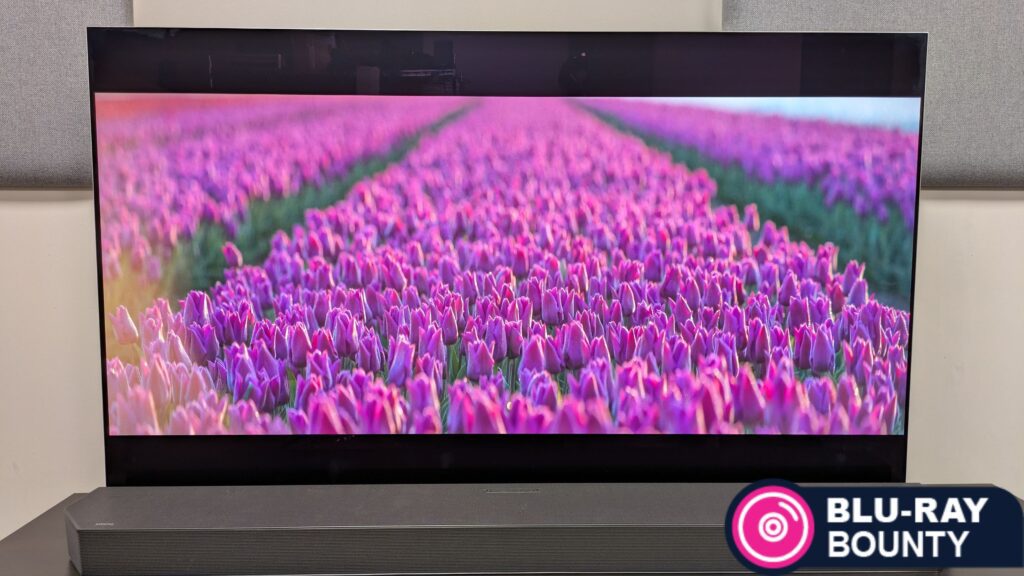
10-bit displays offer 1.07 billion color combinations compared to 8-bit’s 16.7 million. While this sounds impressive, the practical benefits are subtle for most users. Samsung’s decision likely stems from three key factors:
1. Cost Efficiency
- 10-bit panels require more complex manufacturing processes.
- Mass-producing 8-bit displays keeps costs lower for both Samsung and consumers.
2. Power Consumption
- 10-bit displays use more energy, which could reduce battery life in a phone already optimized for efficiency.
- 8-bit panels align better with Samsung’s focus on all-day battery performance.
3. Market Strategy
- Most users can’t distinguish between 8-bit and 10-bit displays in real-world scenarios.
- By prioritizing other features (like AI camera upgrades), Samsung maintains competitive differentiation.
What This Means for Users
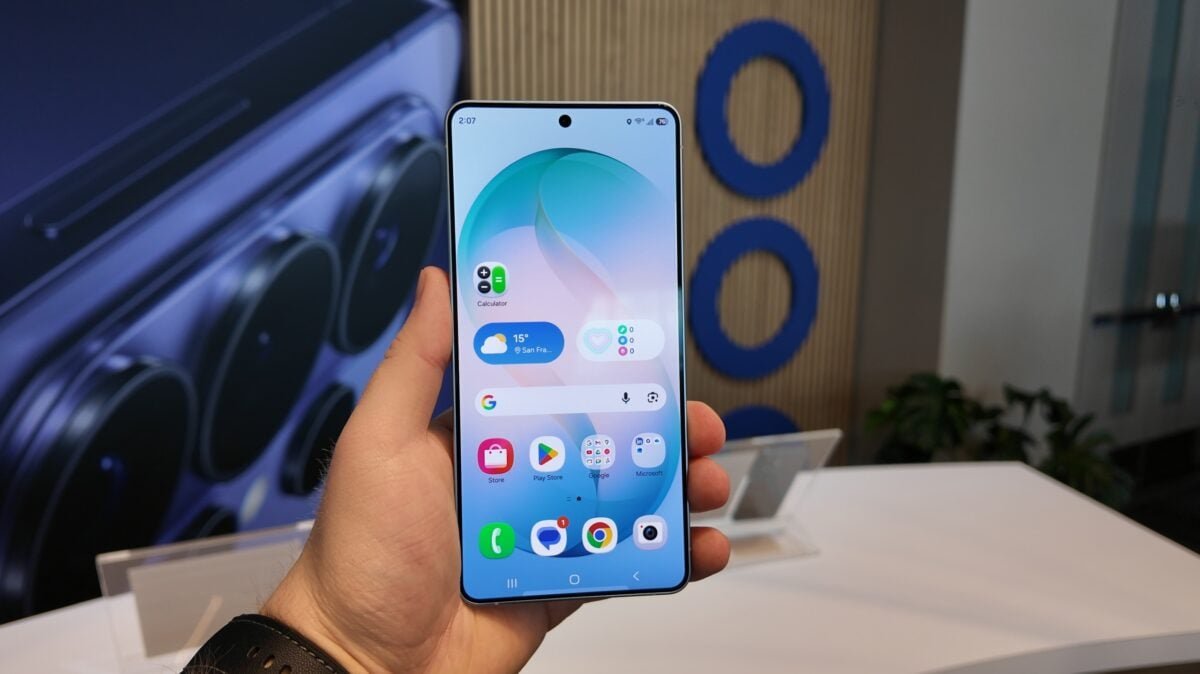
For casual users, the Galaxy S26’s 8-bit display remains vibrant and sharp. However, professional photographers or videographers might notice limitations in color grading. Samsung mitigates this by using advanced HDR processing to simulate richer color depth in supported content.
Key Considerations
- Color Accuracy: The S26’s 8-bit panel still meets DCI-P3 color standards for accurate media playback.
- Future-Proofing: 10-bit support is more critical for 8K video editing, which remains niche for most consumers.
Alternatives and Workarounds
If 10-bit displays are essential for your workflow, consider these options:
- External Monitors: Pair your Galaxy S26 with a 10-bit monitor for professional tasks.
- Software Solutions: Use apps like Adobe Lightroom to enhance color grading on 8-bit screens.
- Future Models: Samsung may reintroduce 10-bit displays in a premium variant (e.g., Galaxy S26 Ultra).
Conclusion: Is the Galaxy S26 Still a Smart Buy?
The Galaxy S26 series remains a top-tier phone despite its 8-bit display. Samsung prioritized performance, camera upgrades, and battery life—features most users will notice daily. For casual buyers, the trade-off is negligible. However, creative professionals should weigh the display’s limitations against their workflow needs.
Ready to decide? Check the latest Galaxy S26 specs or explore 10-bit display alternatives to ensure the phone meets your requirements.