
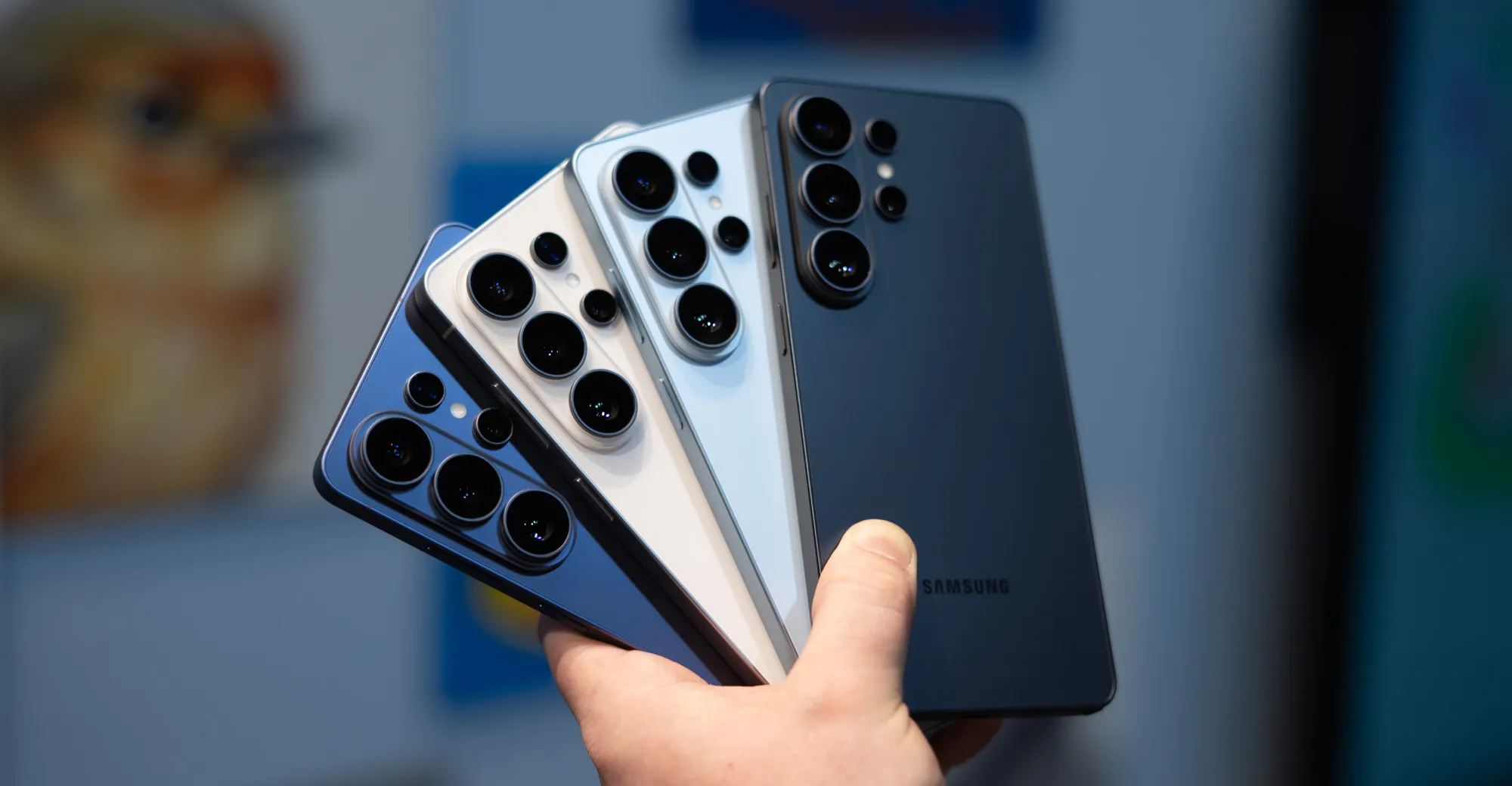
Introduction to the Galaxy S26
The Galaxy S26 has been making waves with its unique design choices. One notable feature, or rather the lack of it, is the absence of magnets. But what does this mean for users? Let’s dive into the reasoning behind this decision and what it implies for the future of smartphone design.
The Reasoning Behind Magnet-Less Design
According to recent insights, the primary reason for omitting magnets from the Galaxy S26 is the assumption that most users will be using a case. This raises questions about the practicality and user experience. However, it also opens up discussions about innovation and the potential for new technologies to emerge.
Meanwhile, the focus on case usage highlights the importance of accessory compatibility. For example, wireless charging pads and other magnetic attachments might need reevaluation. Additionally, the lack of magnets could lead to a more seamless user experience, with fewer interruptions from unwanted magnetic interactions.
Impact on User Experience
On one hand, the absence of magnets could simplify the user experience by reducing clutter and minimizing the risk of magnetic interference. On the other hand, it may limit the functionality of certain accessories and force users to adapt to new standards.
Therefore, it’s crucial to consider the broader implications of such design choices. The decision to exclude magnets from the Galaxy S26 reflects a shift towards a more case-centric approach, potentially paving the way for innovative case designs that integrate seamlessly with the phone.
Future of Smartphone Design
The Galaxy S26’s magnet-less design sparks interesting discussions about the future of smartphone technology. As manufacturers continue to push boundaries, we can expect to see more experimental designs that challenge traditional norms.
For instance, the integration of new materials and technologies could lead to the development of more sustainable and efficient devices. Furthermore, the focus on case compatibility might drive innovation in accessory design, resulting in more practical and user-friendly solutions.
Conclusion and Call to Action
In conclusion, the Galaxy S26’s unique design choice reflects a forward-thinking approach to smartphone technology. While it may present some challenges, it also opens up opportunities for growth and innovation.
As we move forward, it’s essential to stay informed about the latest developments in smartphone design and technology. By doing so, we can better understand the implications of these changes and make informed decisions about our own technology choices.
Finally, we encourage you to share your thoughts on the Galaxy S26’s magnet-less design. What do you think about this new approach, and how do you see it impacting the future of smartphone technology?
Frequently Asked Questions
- What is the main reason for the Galaxy S26’s magnet-less design? The primary reason is the assumption that most users will be using a case.
- How will the lack of magnets affect user experience? The absence of magnets could simplify the user experience by reducing clutter and minimizing magnetic interference.
- What are the potential implications for accessory design? The focus on case compatibility might drive innovation in accessory design, resulting in more practical and user-friendly solutions.
- How will this design choice impact the future of smartphone technology? The Galaxy S26’s magnet-less design reflects a forward-thinking approach, potentially paving the way for innovative technologies and designs.
- What can we expect from future smartphone designs? As manufacturers continue to push boundaries, we can expect to see more experimental designs that challenge traditional norms and integrate new technologies.








