Galaxy S26 Ultra Privacy Display: Independent Test Results Revealed
Samsung’s Galaxy S26 Ultra just made headlines with a privacy feature that’s redefining smartphone security. The device’s Privacy Display, powered by Samsung Display’s Flex Magic Pixel OLED, has passed an independent test with results so impressive they’re hard to ignore. Let’s dive into what this means for users and why this technology matters in today’s digital world.
How the Galaxy S26 Ultra Privacy Display Works
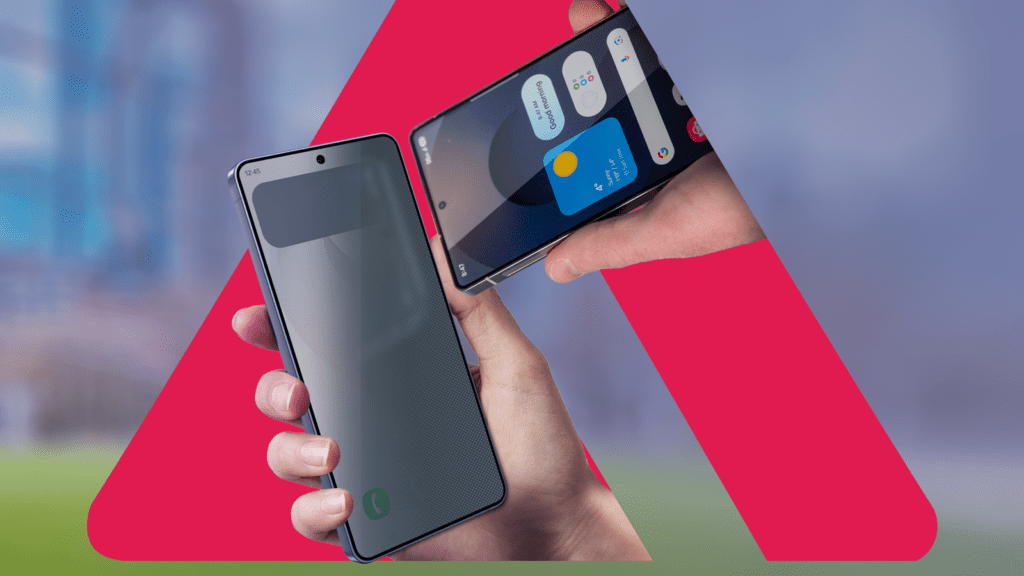
Traditional smartphone screens remain visible from side angles, making it easy for strangers to glimpse sensitive information. The Galaxy S26 Ultra’s Privacy Display changes this by drastically reducing brightness when viewed off-axis. Independent tests by UL Solutions show:
- 3.5% brightness at 45 degrees (vs. 40% on standard displays)
- 0.9% brightness at 60 degrees (nearly invisible)
This is achieved through a re-engineered Black Matrix structure in the OLED panel. Samsung’s engineers developed a multi-layer light-blocking system that controls how light spreads from subpixels—each just a few micrometers wide. The result? Content becomes a blur to anyone not looking directly at the screen.
Independent Verification Adds Credibility
UL Solutions, a globally recognized certification body, validated these results. Their testing confirms the Flex Magic Pixel OLED delivers “strong viewing-angle privacy” across all off-axis angles. This independent verification is a major win for Samsung, proving the technology’s effectiveness without relying on marketing claims.
For context, conventional displays maintain 40% brightness at 45 degrees. The Galaxy S26 Ultra’s 3.5% drop-off is a 90% reduction in visibility, making it nearly impossible to read content from the side. This level of privacy is especially valuable in crowded spaces like public transport or office environments.
LEAD 2.0: Combining Privacy with Efficiency
The Privacy Display isn’t the only innovation. Samsung’s LEAD 2.0 platform integrates the Flex Magic Pixel technology with a polarizer-free OLED design. This dual approach:
- Boosts brightness by eliminating light-blocking polarizers
- Reduces power consumption for better battery life
By pairing privacy with efficiency, Samsung is addressing two key user pain points: security and battery drain. The company has filed over 150 patents since 2020 to protect this technology, signaling long-term commitment to the feature.
What This Means for Android Users
The Galaxy S26 Ultra isn’t the only device poised to benefit. Samsung Display reports that Chinese smartphone manufacturers are testing the technology for 2024 flagships. While the S26 Ultra holds first-mover advantage, wider adoption is on the horizon.
For now, users get:
- Enhanced privacy in public settings
- Improved battery efficiency from LEAD 2.0
- Future-proof design with patented technology
However, the feature isn’t without trade-offs. The multi-layer Black Matrix may slightly reduce peak brightness compared to standard OLEDs. For most users, the privacy benefits outweigh this minor drawback.
Why This Matters in 2024
As smartphones become central to our lives, protecting personal data is critical. The Galaxy S26 Ultra’s Privacy Display sets a new standard for screen security. Whether you’re checking emails on a train or browsing in a coffee shop, this feature ensures your screen stays private.
For tech enthusiasts, the test results are a reminder of Samsung’s engineering prowess. For everyday users, it’s a practical solution to a growing privacy concern. With independent validation and patent protection, this technology is here to stay.
FAQs
How does the Galaxy S26 Ultra Privacy Display work?
The display uses a multi-layer Black Matrix structure to block light from spreading at side angles. This reduces brightness to 3.5% at 45 degrees and 0.9% at 60 degrees, making content nearly invisible to onlookers.
Is the Privacy Display feature available on other Samsung phones?
Currently, the Galaxy S26 Ultra is the only Samsung device with this feature. However, Chinese OEMs are testing the technology for 2024 flagships, suggesting wider adoption soon.
Does the Privacy Display affect screen quality?
While the multi-layer design slightly reduces peak brightness, the impact on color accuracy and clarity is minimal. Most users won’t notice a difference in normal use.
How was the Privacy Display tested?
UL Solutions conducted independent tests measuring brightness at various angles. The results confirmed the display’s ability to block side-view visibility far beyond standard smartphones.
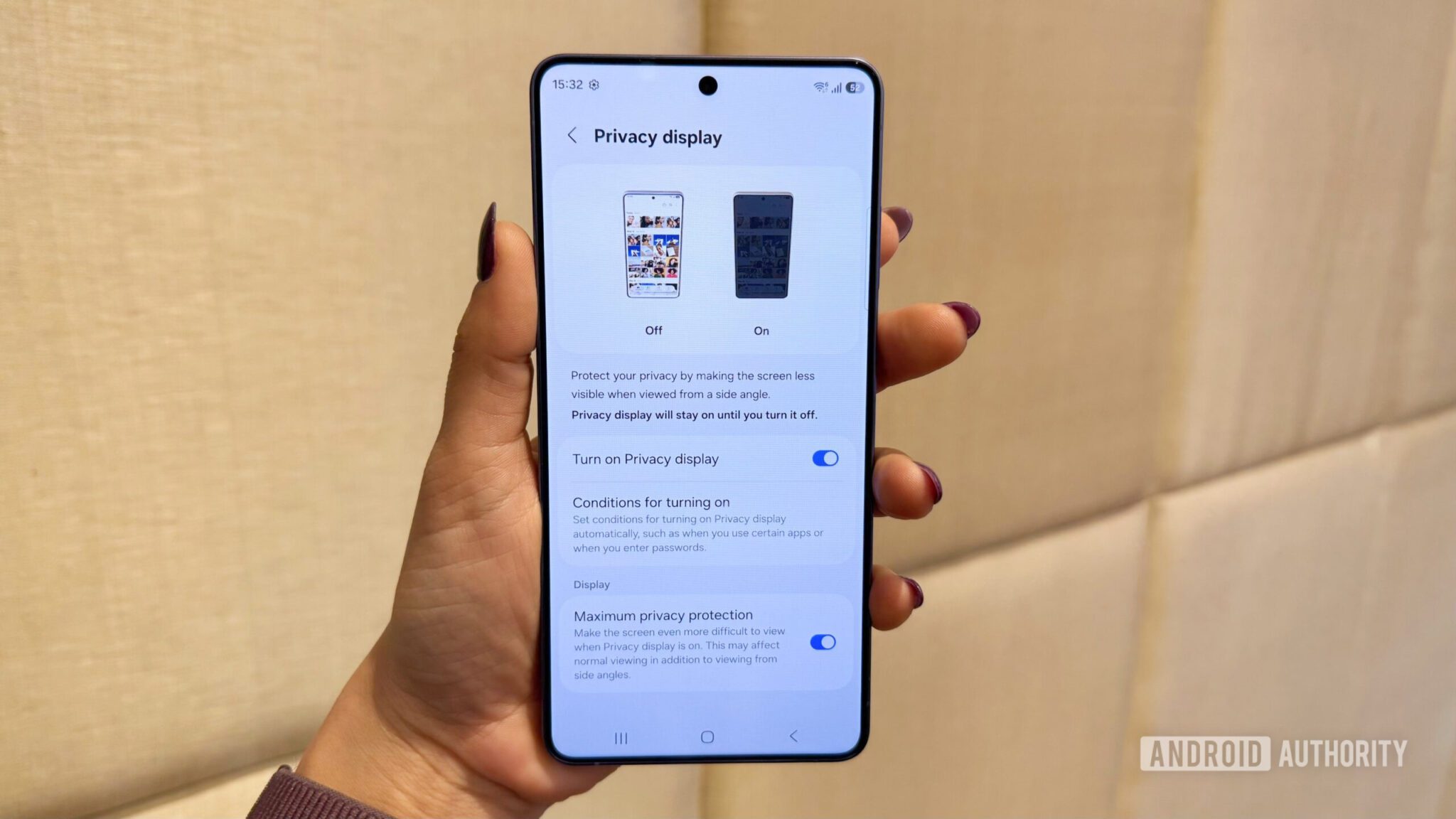
Can I enable the Privacy Display manually?
Yes, the feature is likely software-controlled. Users can toggle it on/off in settings, balancing privacy and brightness as needed.
Stay Ahead of the Curve
Want to explore more about the Galaxy S26 Ultra’s innovations? Set Android Authority as a favorite source in Google Discover to never miss our latest tech insights.