GameStop’s Retro Gaming Consoles Trade-In Policy Explained
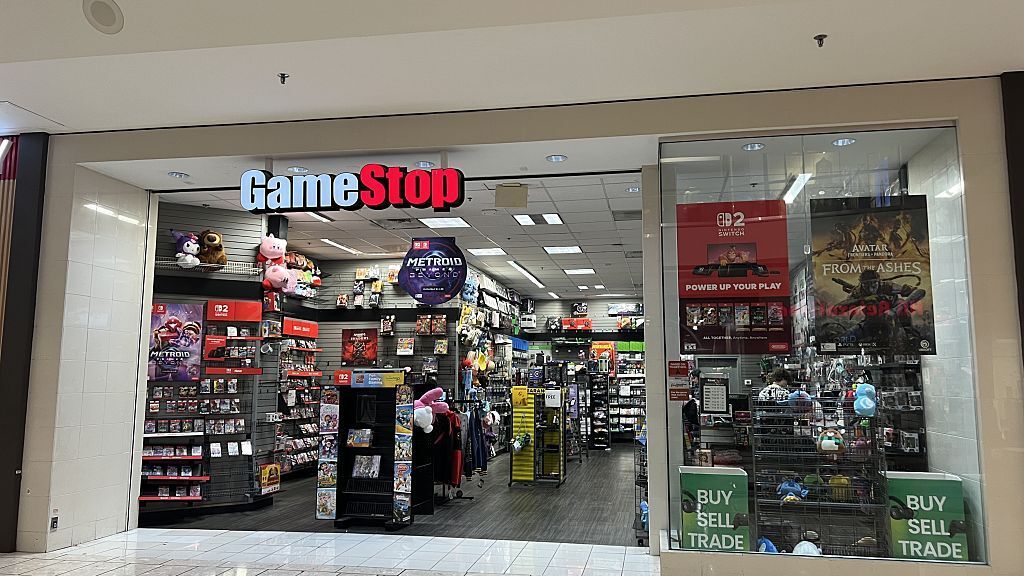
For decades, the PlayStation 3, Xbox 360, and Nintendo Wii U dominated living rooms worldwide. But the era of these iconic consoles is officially over. GameStop has reclassified them as retro gaming hardware, marking a shift in how gamers can trade in their aging systems. This change affects not just collectors but anyone holding onto these consoles—even if they’re damaged or worn.
What Does ‘Retro’ Mean for Gamers?
GameStop’s new policy redefines the value of older consoles. While these systems can still power on, their trade-in worth now hinges on their condition. Here’s what you need to know:
- Functional but flawed: Consoles with minor damage or aesthetic issues are now eligible for trade-in.
- Market demand: Retro gaming has surged in popularity, driving up interest in classic titles and hardware.
- Trade-in value: Expect lower returns compared to newer models, but GameStop’s updated guidelines make it easier to offload outdated systems.
Why This Matters for Gamers
Many gamers still own these consoles, either for nostalgia or to play older titles. However, modern gaming has moved on. The PlayStation 3, for example, lacks support for newer games, while the Xbox 360’s online services are phasing out. GameStop’s retro classification reflects this reality, pushing users toward newer hardware.
How to Maximize Your Trade-In Value
If you’re considering trading in your retro console, follow these steps to get the best deal:
- Check the condition: Clean the console and ensure all ports and buttons work. Even minor fixes can boost value.
- Compare offers: Use GameStop’s online trade-in tool to estimate your console’s worth before visiting a store.
- Bundle with games: Include compatible games in your trade-in for a higher total value.
Alternatives to Trading In
Not ready to part with your console? Consider these options:
- Resell online: Platforms like eBay or Facebook Marketplace might offer better prices for rare or collectible models.
- Donate: Charities like Goodwill accept electronics, and some offer tax deductions for donations.
- Keep it for nostalgia: These consoles hold sentimental value for many—store them safely for future use.
The Future of Retro Gaming
While GameStop’s policy signals the end of an era, retro gaming isn’t dying. Emulation, remasters, and physical collectibles keep these systems relevant. For example, the PlayStation 3’s library of games remains accessible via PlayStation Now, and the Xbox 360’s catalog lives on through backward compatibility on newer Xbox models.
As technology evolves, so do our habits. The key takeaway? Don’t let outdated hardware clutter your space. Whether you trade in, resell, or preserve your consoles, GameStop’s retro classification is a clear signal: the future belongs to next-gen gaming.
Final Thoughts
GameStop’s decision to label the PlayStation 3, Xbox 360, and Wii U as retro gaming consoles is more than a policy change—it’s a reflection of shifting consumer priorities. By accepting even faulty or worn systems for trade-in, the company is making it easier for gamers to upgrade responsibly. Take advantage of this opportunity to clear out old hardware and invest in the future of gaming.