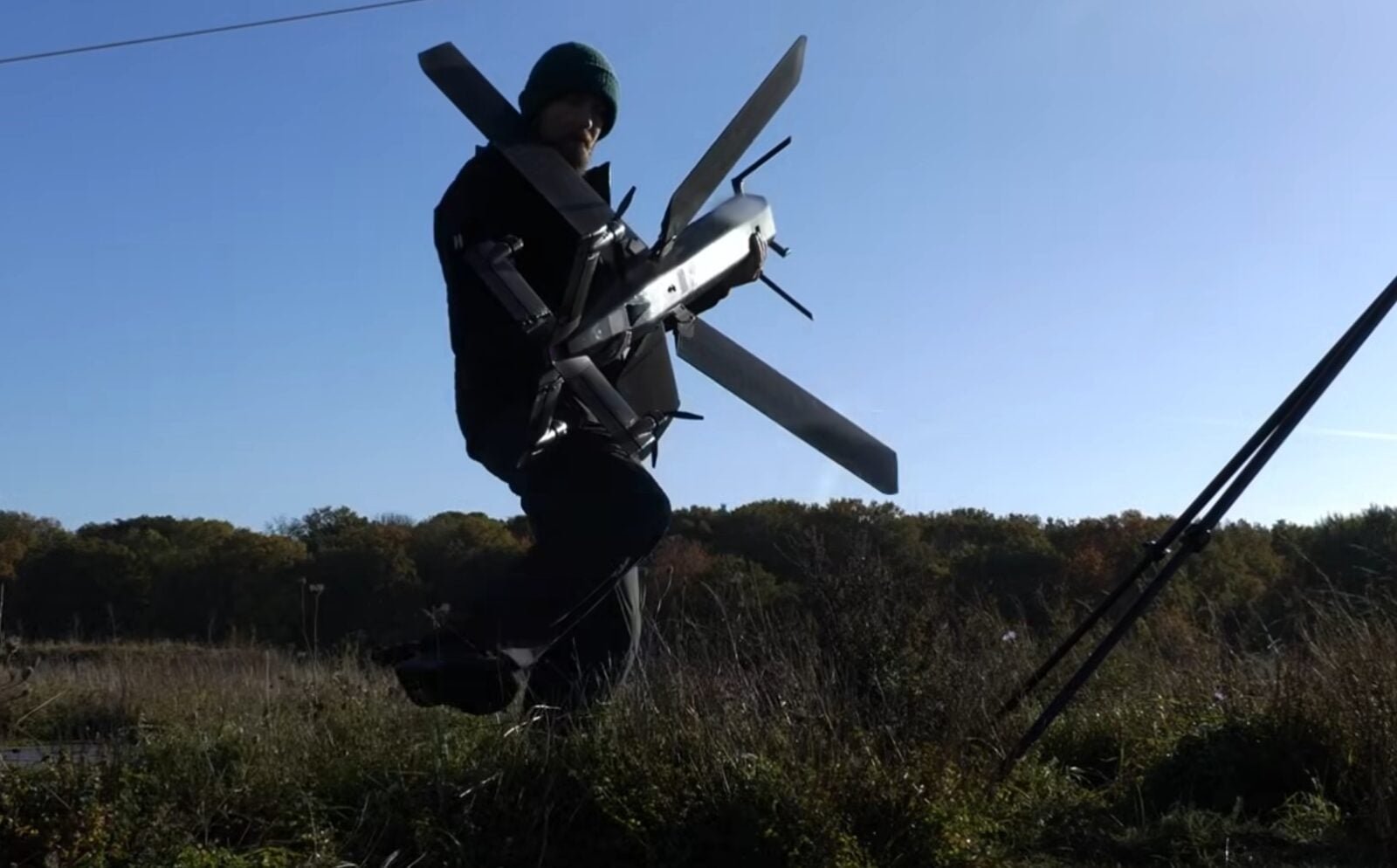
German HX-2 Drones: Ukraine’s Precision Strike Weapon
Recent reports reveal Ukrainian forces are increasingly deploying German HX-2 drones to disrupt Russian operations. These one-way strike systems are targeting rear-area support units, marking a shift in asymmetric warfare tactics. With a 100km range and precision-guided warheads, the HX-2 represents a critical upgrade in Ukraine’s drone arsenal.
Operational Impact of German HX-2 Drones
Ukrainian defense analysts confirm the HX-2’s growing role in frontline operations. Unlike traditional combat drones, these systems focus on disrupting logistics and infrastructure. Russian military personnel have documented strikes on repair crews and road-building units, confirming the drones’ ability to reach rear positions.
Key Operational Features
- Target Types: Artillery positions, armored vehicles, engineering units
- Deployment Zones: Russian-controlled rear areas
- Strike Confirmation: Debris images shared by Russian forces
Technical Specifications of HX-2 Drones
Developed by German firm Helsing, the HX-2 combines speed and precision. Weighing 12kg with four rear-mounted electric motors, it achieves 220km/h speeds. The X-shaped wing design enhances stability during terminal attacks, while the warhead targets tactical assets rather than mass destruction.
Production and Deployment
- Contract Value: 6,000 units planned for Ukraine
- Launch Timeline: Operational since late 2024
- Cost Efficiency: Lower production costs than comparable systems
Strategic Implications for Modern Warfare
The HX-2’s success highlights the growing importance of loitering munitions. By focusing on support infrastructure rather than frontline troops, Ukraine is exploiting vulnerabilities in Russian logistics. This approach mirrors U.S. and Israeli drone strategies, proving the value of precision over brute force.
Comparative Advantages
- Range: 100km exceeds most Ukrainian systems
- Cost: $10,000 per unit vs. $50,000+ for alternatives
- Flexibility: Can be launched from portable launchers
Future of HX-2 Drone Warfare
As Helsing scales production, the HX-2 could redefine regional drone warfare. Analysts predict expanded use in urban environments and against mobile targets. However, Russian counter-drone systems may force Ukrainian forces to adapt tactics.
Industry Projections
- 2025: 2,000 units in active service
- 2026: Potential export to NATO partners
- 2027: AI-guided targeting upgrades
Subscribe for Defense Updates
Stay informed about drone warfare innovations and military tech trends. Sign up for our weekly defense newsletter to track developments in Ukrainian-Russia conflict dynamics.
FAQs
How effective are German HX-2 drones in modern warfare?
With 100km range and precision targeting, HX-2 drones have proven highly effective against Russian logistics and infrastructure. Their low cost and high accuracy make them ideal for asymmetric warfare scenarios.
What distinguishes HX-2 from other strike drones?
The HX-2’s X-wing design and four-motor configuration provide superior stability. Its focus on tactical targets rather than mass destruction sets it apart from systems like the U.S. Switchblade.
Can Russia counter HX-2 drones?
While Russia has deployed radar systems and jamming equipment, the HX-2’s low-altitude flight profile and small size make detection challenging. Ukrainian operators continue to refine tactics to maximize effectiveness.
What are the ethical concerns?
As with all loitering munitions, the HX-2 raises questions about civilian casualties. Ukrainian forces emphasize targeting military infrastructure to minimize collateral damage.
How might this technology evolve?
Future iterations may include AI targeting, swarm capabilities, and extended range. Helsing has already filed patents for improved guidance systems and modular payloads.