GNOME’s New Media Player: Linux’s Visual and Functional Win
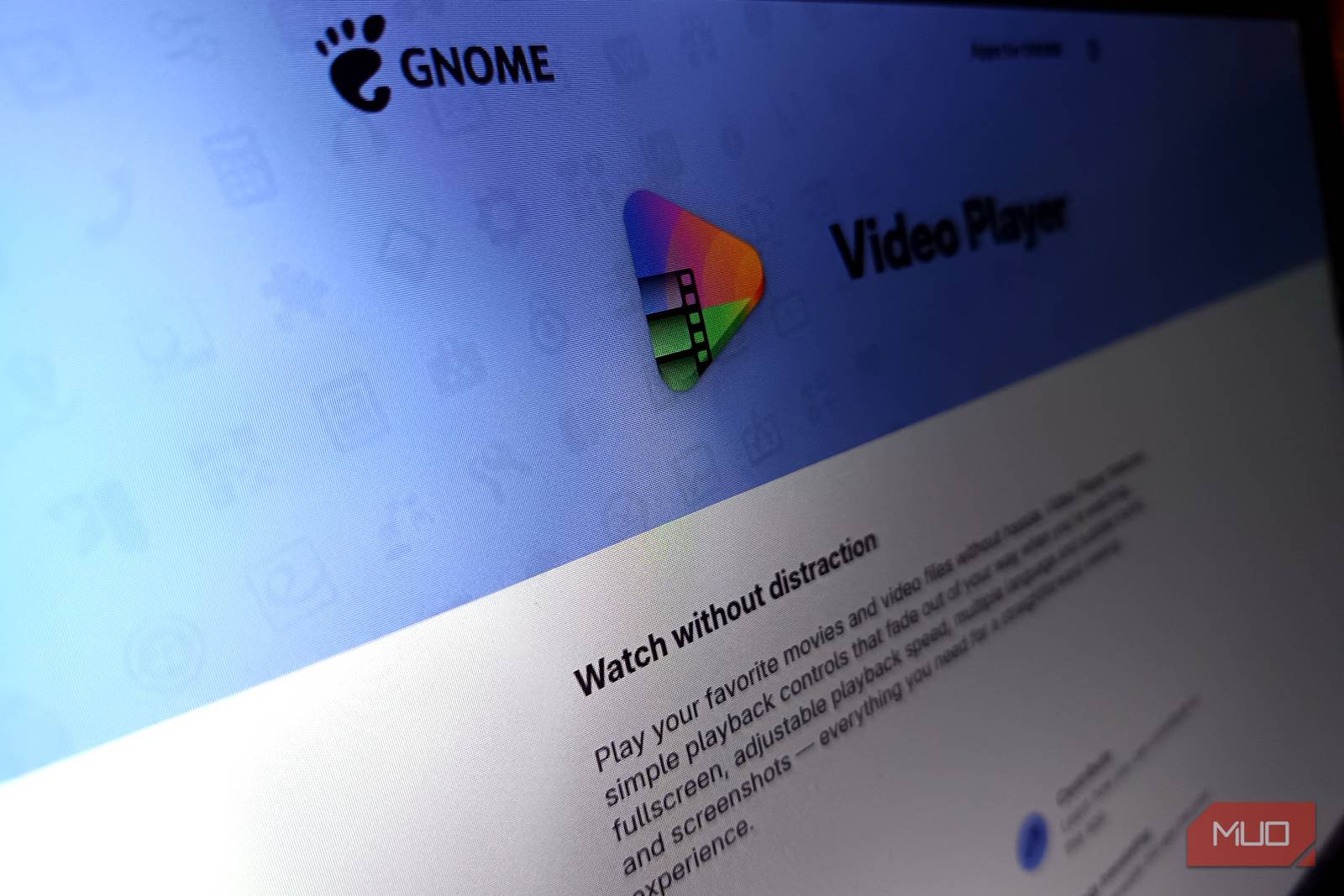
Linux users have long awaited a media player that combines sleek design with robust functionality. GNOME’s latest app, the GNOME media player, delivers exactly that. With its intuitive interface and powerful features, this app is a game-changer for Linux desktops. Let’s explore why it’s the media player Linux deserved—and how it elevates the user experience.
Why GNOME’s New Media Player Stands Out
For years, Linux users have relied on third-party media players like VLC or MPV. While functional, these tools often lack the polish and integration that modern users expect. The GNOME media player changes the game by offering:
- Seamless GNOME integration: It aligns perfectly with GNOME’s design language, ensuring a cohesive desktop experience.
- Minimalist, distraction-free interface: Focus on your media without clutter.
- Advanced playback controls: From gapless playback to customizable equalizers.
Designed for the Modern Linux User
The app’s developers prioritized simplicity without sacrificing power. For example, it supports a wide range of audio and video formats—FLAC, ALAC, MP4, MKV, and more—without requiring additional codecs. This eliminates the frustration of incompatible files, a common pain point for Linux users.
Key Features That Make It a Linux Favorite
Here’s what sets the GNOME media player apart from competitors:
- Smart Playlist Management: Automatically organize music by genre, artist, or mood.
- High-Dynamic-Range (HDR) Support: Enjoy cinematic quality on compatible displays.
- Keyboard Shortcuts Customization: Tailor controls to your workflow.
Real-World Use Cases
Imagine a Linux user who streams music while coding. The GNOME media player’s low resource usage ensures it won’t slow down their system. Meanwhile, its ability to queue multiple playlists makes it ideal for late-night movie marathons.
How to Get Started with GNOME Media Player
Installing the app is straightforward. Most major Linux distributions, including Ubuntu and Fedora, include it in their default repositories. For others, use the command:
sudo apt install gnome-media-player
Once installed, open it from your application menu. The first-time setup wizard guides you through preferences like default playback settings and library locations.
Why This Matters for Linux Ecosystem
The GNOME media player isn’t just another app—it’s a statement. It shows that Linux can compete with proprietary systems in delivering polished, user-friendly software. By focusing on both aesthetics and performance, GNOME sets a new standard for open-source media tools.
Conclusion: A Must-Try for Linux Enthusiasts
The GNOME media player proves that Linux can offer both beauty and brains. Whether you’re a casual user or a power user, this app enhances your media experience without compromising on quality. Ready to upgrade your Linux desktop? Give it a try and see the difference for yourself.