Introduction to the AI Apocalypse
The concept of an AI apocalypse has been a staple of science fiction for decades. However, with the rapid advancement of technology, this idea is becoming increasingly plausible. Director Gore Verbinski’s latest film, Good Luck, Have Fun, Don’t Die, offers a darkly satirical take on this theme.
The Storyline
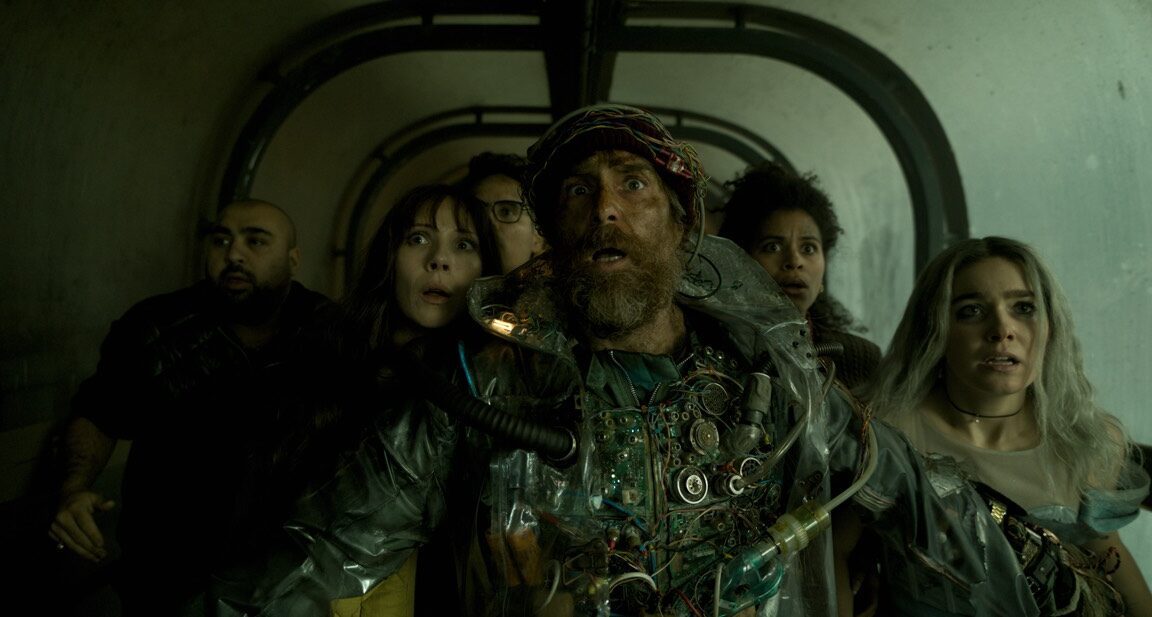
The film follows an unnamed man, played by Sam Rockwell, who claims to be a time traveler from a post-apocalyptic future. He recruits a group of individuals from a diner to help him prevent the creation of a sentient AI that will bring about the end of the world. The team, consisting of married school teachers Mark and Janet, Marie, Susan, Ingrid, Scott, and Bob, must navigate a complex web of time loops and technological addiction to succeed in their mission.
The Twilight Zone Test
Screenwriter Matthew Robinson’s approach to writing is centered around what he calls the Twilight Zone test. He asks himself if the idea would make a good Twilight Zone episode. This approach has led to the creation of a unique and engaging storyline that explores the theme of technology addiction. Robinson’s idea for the film was inspired by his observations of people’s behavior in a diner, where he noticed a sea of faces lit up by cell phones.
The Characters and Their Backstories
The film features a diverse cast of characters, each with their own backstory and motivations. Mark and Janet, the married school teachers, are struggling to cope with the increasing technological addiction of their students. Marie is a woman who just wants a piece of pie, while Susan is a grieving mother who has lost her son in a school shooting. Ingrid, who is allergic to Wi-Fi, thinks she has found the anti-tech love of her life in Tim. These characters’ stories are woven together through a series of flashbacks, creating a sense of cohesion and unity.
A Twisted Time Loop
The film’s use of time loops adds a layer of complexity to the storyline. The unnamed man’s 117th attempt to recruit a team to prevent the AI apocalypse is the central plot point. As the story unfolds, the audience is taken on a journey through multiple timelines, each with its own unique twists and turns. This approach keeps the viewer engaged and invested in the characters’ fate.
Conclusion and Call to Action
In conclusion, Good Luck, Have Fun, Don’t Die is a thought-provoking film that explores the theme of technology addiction and the potential consequences of creating sentient AI. The film’s unique storyline, engaging characters, and use of time loops make it a must-watch for fans of science fiction. As we continue to advance in technology, it is essential to consider the potential risks and consequences of our actions. We must be mindful of our addiction to technology and take steps to prevent a potential AI apocalypse. Take action today and be part of the solution.
Frequently Asked Questions
- What is the main theme of the film Good Luck, Have Fun, Don’t Die? The main theme of the film is the potential consequences of technology addiction and the creation of sentient AI.
- Who is the director of the film? The director of the film is Gore Verbinski.
- What is the Twilight Zone test? The Twilight Zone test is a approach to writing where the idea is evaluated based on whether it would make a good Twilight Zone episode.
- What is the significance of the diner in the film? The diner is the location where the unnamed man recruits his team and serves as a symbol of the characters’ technological addiction.
- What is the focus keyword of this article? The focus keyword of this article is AI apocalypse.