
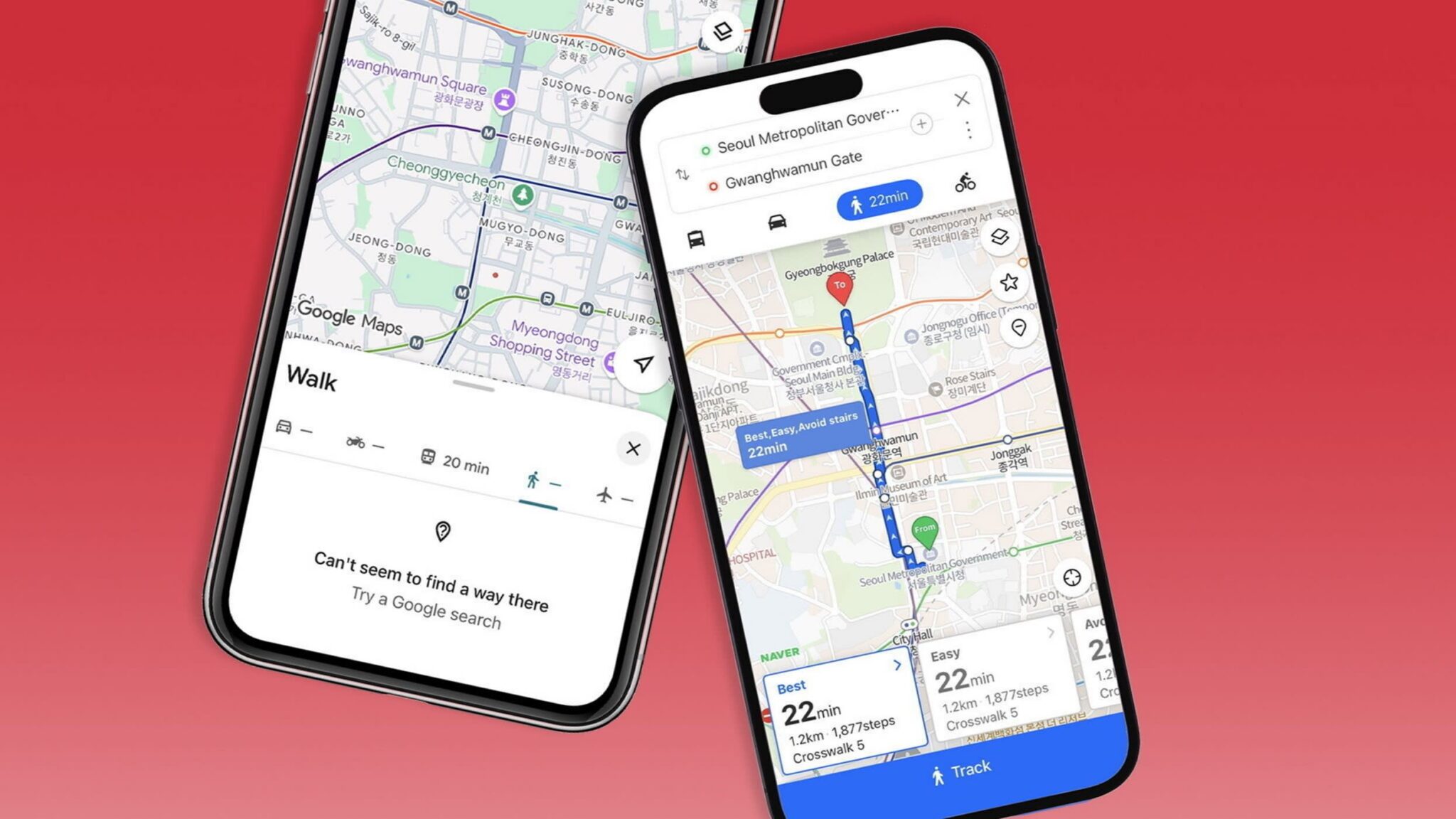
Google Maps Now Available in South Korea
South Korea, a global leader in technology and digital innovation, has long been a coveted market for international tech giants. Today, Google Maps officially launches in the country—marking a significant milestone for both users and the tech ecosystem. This expansion not only fills a critical gap in Google’s global mapping services but also reshapes how South Koreans navigate their cities and beyond.
Why South Korea Matters for Google Maps
South Korea’s 54 million population boasts one of the world’s highest smartphone penetration rates. Yet, until now, local apps like KakaoMap and Naver Map dominated the market. Google’s entry disrupts this landscape by offering advanced features such as real-time traffic updates, 3D satellite views, and seamless integration with Google Assistant. For users, this means a more personalized and globally consistent navigation experience.
Key Benefits for South Korean Users
- Real-time Traffic Insights: Commuters can avoid delays with live traffic data.
- Public Transit Integration: Step-by-step transit directions for buses, subways, and trains.
- Indoor Maps: Explore malls, airports, and subway stations with precision.
Impact on Local Tech Companies
While Google Maps brings innovation, it also intensifies competition. Local apps have invested heavily in hyper-localized features, such as Korean language support and cultural landmarks. However, Google’s global infrastructure and AI-driven navigation could shift user preferences. Startups and developers may need to focus on niche services to stay relevant.
Collaboration Opportunities
Google’s arrival isn’t just about competition. Partnerships with South Korean tech firms could enhance features like augmented reality navigation or AI-powered local recommendations. This collaboration could position South Korea as a testbed for next-gen mapping technologies.
What’s Next for Google Maps in Asia
South Korea is part of Google’s broader strategy to expand in Asia. With markets like Japan and India already leveraging Google Maps, the company aims to create a unified navigation experience across the region. Challenges remain, including adapting to local regulations and user habits. But with its track record of innovation, Google is well-positioned to succeed.
Future Challenges
- Adapting to South Korea’s complex urban layouts.
- Complying with data privacy laws.
- Building trust with users accustomed to local apps.
Conclusion: A Win for Global Tech
Google Maps’ entry into South Korea is more than a technical update—it’s a strategic move that highlights the country’s role in shaping global tech trends. For users, it means better tools for daily life. For businesses, it opens new opportunities for innovation. As the app rolls out, one thing is clear: the future of navigation is more connected than ever.
Call to Action
Ready to explore South Korea with Google Maps? Download the app and experience the difference today.








