
Introduction to AI-Powered Google Maps
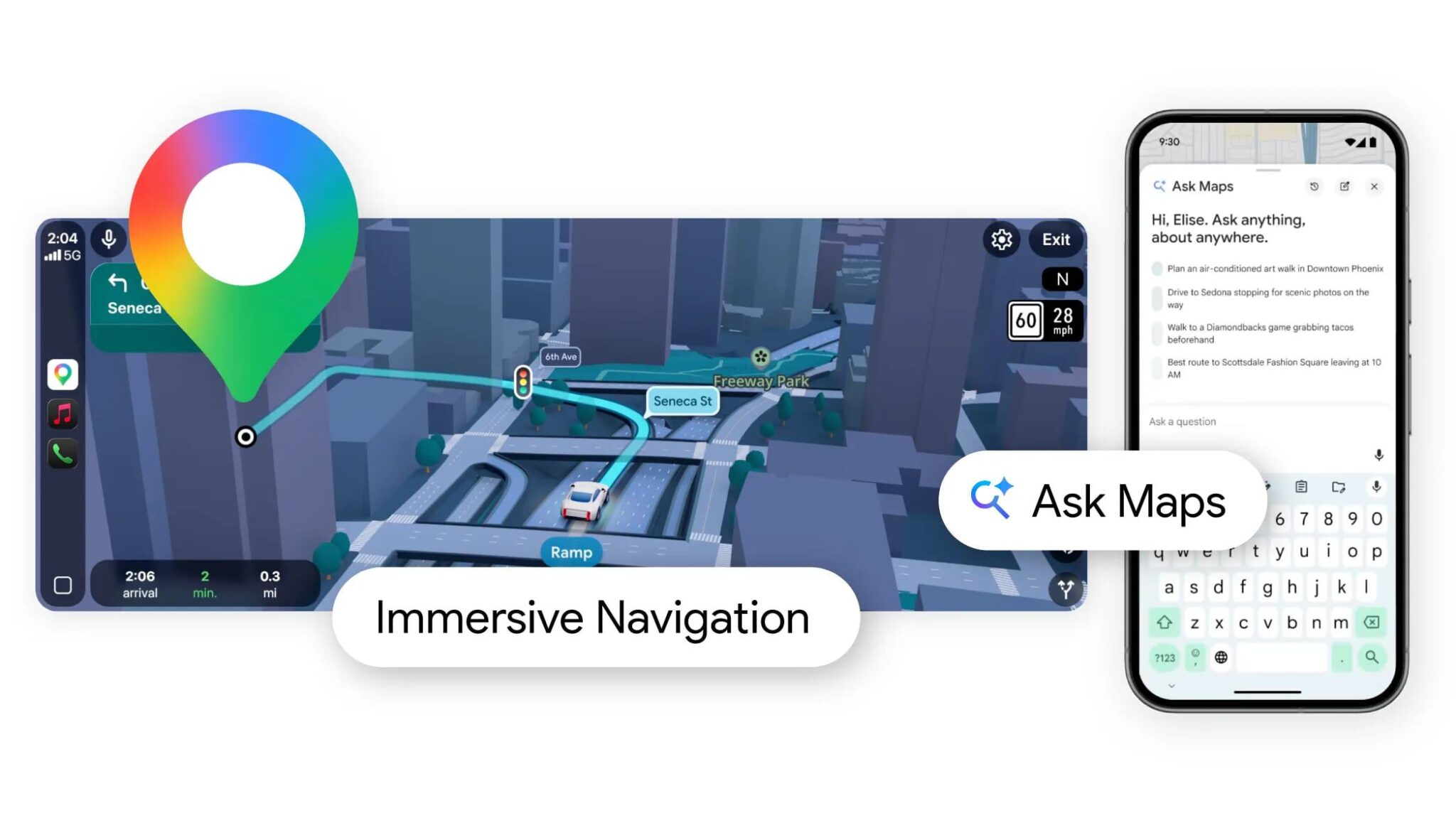
Google has taken a significant leap forward in navigation technology with the introduction of Gemini AI to Google Maps. This innovative feature enables a new ‘Ask Maps’ functionality, allowing users to ask complex, real-world questions that were previously unanswerable. For instance, users can now inquire about the location of a public tennis court with lights that is available for play at night.
Meanwhile, the ‘Ask Maps’ button provides users with tailored responses based on their prior searches or saved information in the app. Additionally, Google Maps can build a trip itinerary using information from over 300 million places, including reviews from the Google community.
Understanding the ‘Ask Maps’ Feature
The ‘Ask Maps’ feature is designed to simplify trip planning and provide users with more accurate information. However, it’s essential to note that this feature is not just limited to trip planning. Furthermore, it can be used to find specific locations, such as restaurants or shops, and provide users with customized maps.
For example, users can ask questions like ‘What are the best restaurants near me?’ or ‘Are there any shops open late near my location?’ Therefore, the ‘Ask Maps’ feature is a game-changer for users who want to get the most out of their Google Maps experience.
How ‘Ask Maps’ Works
The ‘Ask Maps’ feature uses Gemini models to analyze real-world imagery from Street View and aerial photos. This allows Google Maps to provide new details and a more comprehensive understanding of the user’s route. Moreover, the feature can provide tailored responses based on the user’s prior searches or saved information in the app.
Meanwhile, the Gemini models enable Google Maps to build a trip itinerary using information from over 300 million places. This includes reviews from the Google community, which provides users with a more accurate and reliable source of information.
Immersive Navigation: A New Era in Driving
Along with the ‘Ask Maps’ feature, Google has also introduced Immersive Navigation, which is the biggest update to driving in Google Maps in over a decade. This feature provides a 3D view of the route, displaying buildings, overpasses, and terrain. Additionally, Google Maps highlights important road details like lanes, crosswalks, traffic lights, and stop signs when providing directions.
Furthermore, the Immersive Navigation feature provides a broader route view with more information about what’s coming ahead. This includes more details about tradeoffs with alternate routes and route previews for planning parking and other actions. Therefore, the Immersive Navigation feature is a significant improvement over traditional navigation systems.
Benefits of Immersive Navigation
The Immersive Navigation feature has several benefits, including a more comprehensive understanding of the route and a more accurate source of information. Moreover, the feature provides users with a more engaging and interactive experience, making it easier to navigate through unfamiliar territories.
Meanwhile, the Immersive Navigation feature is designed to work seamlessly with the ‘Ask Maps’ feature, providing users with a more integrated and comprehensive navigation experience. Additionally, the feature is available on both iOS and Android devices, making it accessible to a wide range of users.
Conclusion and Future Developments
In conclusion, the introduction of Gemini AI to Google Maps has revolutionized the navigation experience. The ‘Ask Maps’ feature and Immersive Navigation provide users with a more comprehensive and accurate source of information, making it easier to navigate through unfamiliar territories.
Therefore, users can expect a more integrated and seamless navigation experience with the ‘Ask Maps’ feature and Immersive Navigation. Meanwhile, Google is continuously working to improve and expand these features, making them available to a wider range of users.








