Google Maps South Korea Policy Change: What It Means for Users
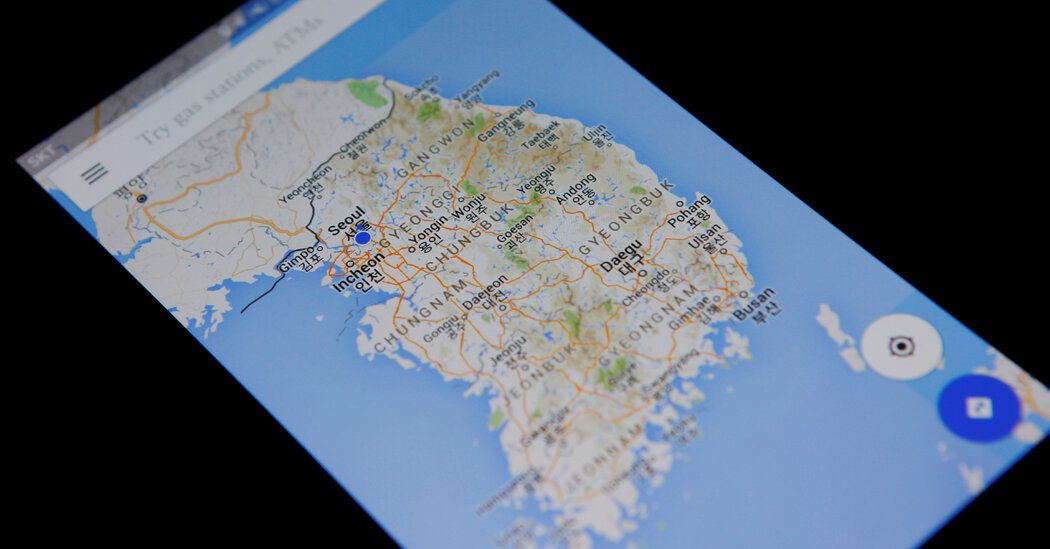
In a significant shift for digital mapping, South Korea has approved Google’s request to export detailed geographic data overseas. This decision reverses a longstanding policy that rendered Google Maps largely nonfunctional in the region, marking a pivotal moment for tech users and developers alike.
Background: The Google Maps South Korea Policy Change
For years, South Korea’s strict data export regulations prevented companies like Google from sharing high-resolution geographic data with international servers. This policy forced Google Maps to rely on lower-accuracy data, resulting in inconsistent navigation, outdated street information, and limited local business listings for South Korean users.
The recent approval, reported by The New York Times and confirmed by South Korean regulators, allows Google to transfer detailed geographic data to its global infrastructure. This change aligns with broader efforts to modernize South Korea’s tech policies while addressing user demands for seamless digital services.
Why This Policy Change Matters
Improved Navigation Accuracy
- Real-time updates: Users will now benefit from live traffic data and instant map updates.
- Enhanced street-level detail: Google Maps will display more precise building outlines and road networks.
- Better local search: Businesses, restaurants, and public services will appear with greater accuracy.
Impact on Competitors
Local mapping services like Naver Map and KakaoMap have long dominated the South Korean market due to Google’s limitations. With this policy change, Google now has a stronger chance to compete, potentially driving innovation and improved features across the board.
Broader Tech Implications
This decision reflects a growing trend of governments balancing data sovereignty with global tech integration. By easing restrictions, South Korea is positioning itself as a hub for international tech collaboration while maintaining control over sensitive geographic data.
What Users Can Expect Next
Google has not yet announced a timeline for implementing these changes, but early updates may appear in the coming months. Users should look for:
- Improved turn-by-turn navigation in urban areas
- Expanded public transit route options
- More comprehensive satellite imagery
Developers and businesses integrating Google Maps APIs will also gain access to higher-quality data, enabling more accurate location-based services.
Conclusion: A Win for Global Tech Integration
The Google Maps South Korea policy change represents a win for users, developers, and the global tech ecosystem. By embracing this shift, South Korea is fostering innovation while addressing user needs for reliable digital tools. As Google rolls out updates, we can expect a more connected and functional mapping experience for millions of users.
Stay tuned: Follow our blog for updates on how this policy change impacts other tech services in the region.