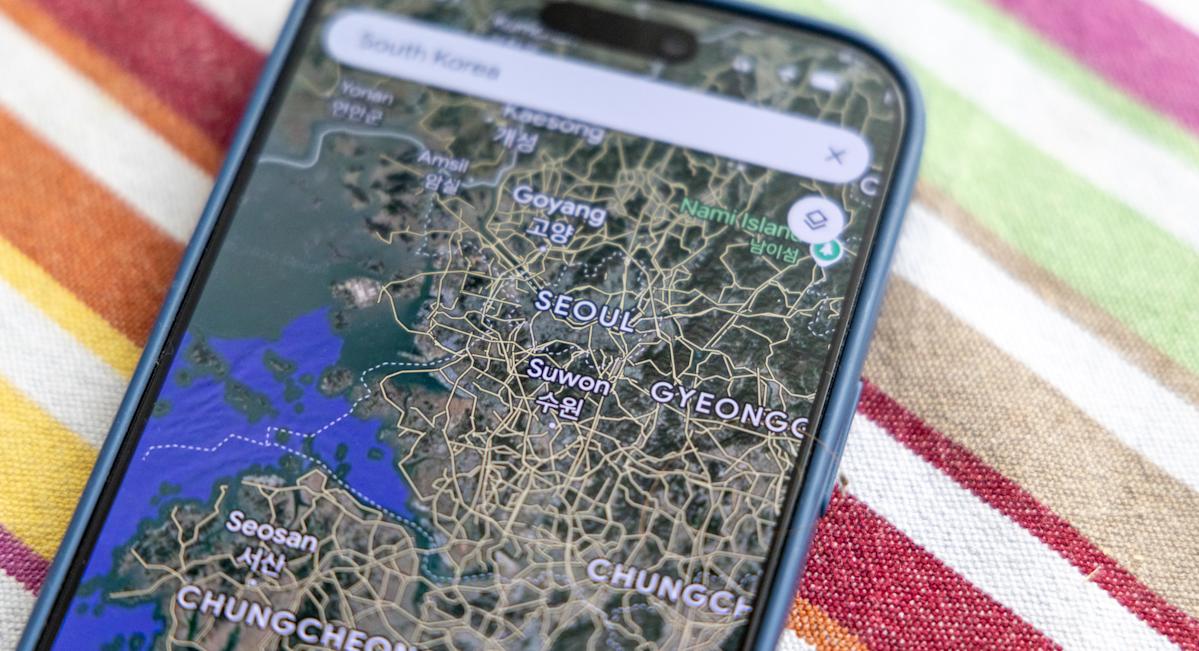
Google Maps South Korea Gets Real-Time Directions After Years of Delays
After years of regulatory hurdles, Google Maps users in South Korea can finally enjoy real-time driving and walking directions. The nation’s Transport Ministry recently approved Google’s request to export detailed geographic data, marking a major shift in the country’s strict mapping policies.
Why This Approval Took Decades
Security Concerns and Historical Tensions
South Korea has long restricted the export of 1/5000 scale map data due to national security concerns, particularly given its ongoing technical war with North Korea. Google first applied for data access in 2007 and 2016, but both requests were denied. The new approval comes with strict conditions: sensitive military sites and precise geographic coordinates remain off-limits.
Impact on Local Businesses and Apps
Local mapping services like Naver and Kakao have dominated the market due to Google’s limitations. Critics warn this approval could disrupt the balance. Geography professor Choi Jin-mu told Reuters, “If Naver and Kakao are weakened or pushed out and Google later raises prices, that becomes a monopoly. Then, even companies that rely on map services — logistics firms, for example — become dependent [on Google].”
What This Means for Users
- Real-time navigation: Drivers and pedestrians can now access turn-by-turn directions.
- Business listings: Restaurants and shops will appear with accurate addresses and contact details.
- Improved GPS accuracy: Enhanced location tracking for travelers and delivery services.
Google’s Statement and Future Plans
Google senior executive Cris Turner stated, “We welcome today’s decision and look forward to our ongoing collaboration with local officials to bring a fully functioning Google Maps to Korea.” The company must now comply with security protocols to maintain access.
FAQs About Google Maps South Korea
1. How will Google Maps South Korea affect local businesses?
Local apps like Naver may face increased competition, but Google’s entry could also drive innovation and better services for users.
2. Are there security risks with this approval?
Google is prohibited from displaying sensitive military data or precise geographic coordinates, mitigating major security concerns.
3. Will Google Maps replace local apps entirely?
Unlikely. While Google offers global integration, local apps may retain advantages in language support and regional features.
4. How does this impact US-South Korea trade relations?
The approval resolves a long-standing trade dispute, as Google argued it was unfairly restricted compared to local competitors.
5. What’s next for Google Maps in South Korea?
Google will roll out updated features gradually, with a focus on compliance and user adoption.
Share your thoughts: Will you switch to Google Maps in South Korea? Let us know in the comments!