
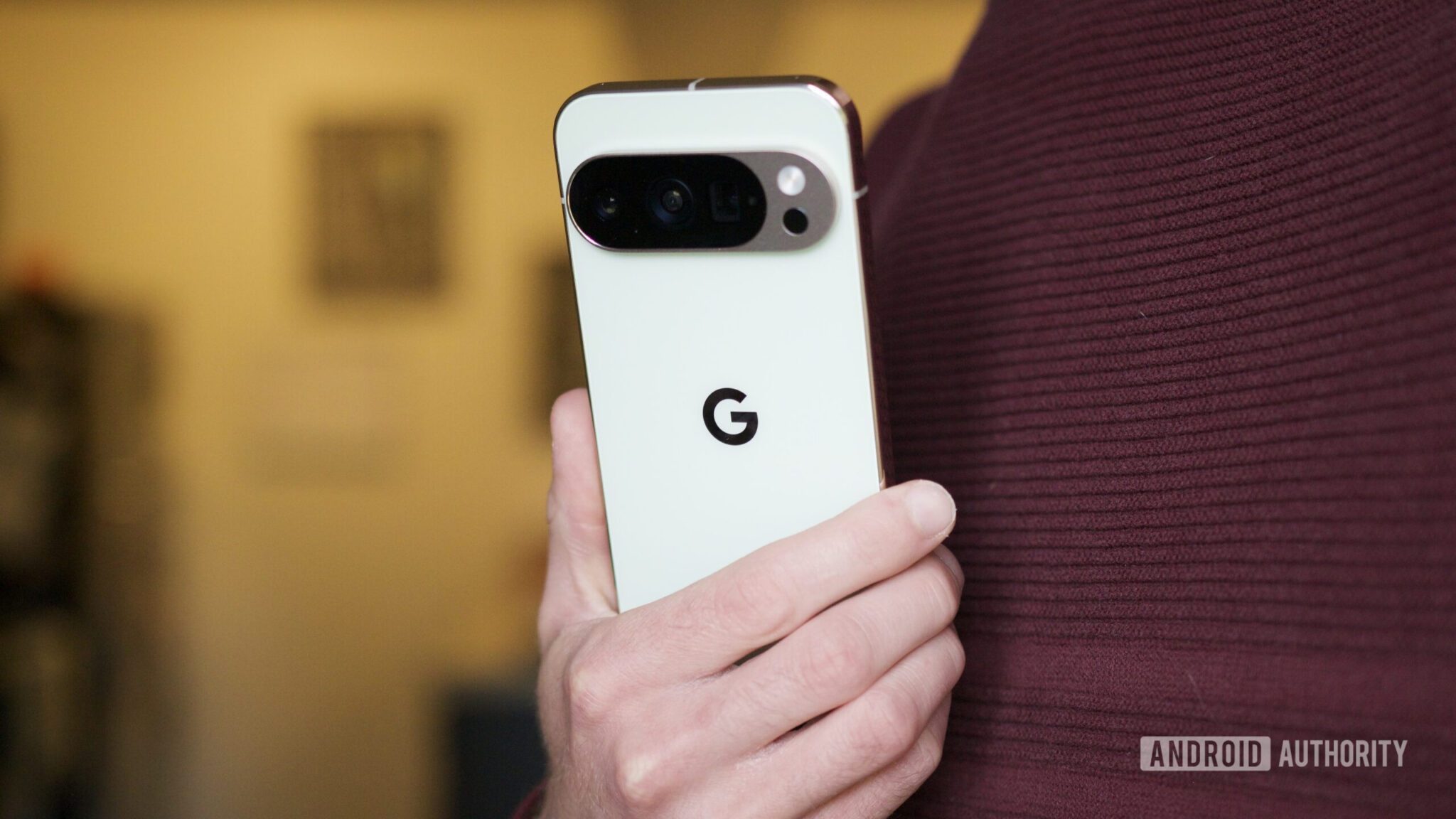
Google Pixel Phones: A Design Stagnation Crisis
Google’s Pixel phones have long been praised for their software and camera prowess. However, the hardware story is a different tale. The Pixel 10 series, while visually striking, exposes a growing hardware problem that threatens the brand’s competitiveness. With the Pixel 11 on the horizon, Google must address these issues—or risk losing its edge.
Thickness and Weight: A Usability Nightmare
The Pixel 10’s thickness and weight are staggering. At 8.6mm and 204 grams, it’s heavier than the Samsung Galaxy S26 (167g) and iPhone 17 (177g). For context, a Pixel 10 silicone case alone weighs 34g. This means a Pixel 10 without a case feels as heavy as a Galaxy S26 with a case. The trend of increasing thickness and weight is counterproductive in a market where slim, lightweight designs are the norm.
Why Thickness Matters
- Thicker phones are harder to hold for extended periods.
- They cause wrist strain during daily use.
- Adding cases amplifies the bulk, making them less user-friendly.
Material Choices: Stuck in the Past
Google’s reliance on aluminum and glass is outdated. While these materials are durable, competitors like Motorola and OnePlus are experimenting with vegan leather and titanium. Even Apple’s MagSafe technology, now five years old, outpaces Google’s Pixelsnap magnets. The Pixel 10’s design lacks innovation, sticking to a formula perfected by others without adding unique value.
What Google Needs to Do
- Master aluminum and glass to achieve thinner, lighter builds.
- Explore new materials like titanium or anti-scratch glass variants.
- Introduce foldable designs (e.g., Pixel 11 Pro Fold) to compete with Galaxy Z Fold.
Software Can’t Save Hardware
Google’s software and AI tools are industry-leading, but hardware lags. Samsung and Apple, despite design stagnation, still outperform Pixels in build quality. For the Pixel 11, Google must prioritize hardware innovation to match its software excellence. Otherwise, the Pixel brand risks becoming a niche option for software enthusiasts, not a mainstream choice.
Conclusion: The Pixel 11 Must Rise
The Pixel 11 is Google’s chance to reset its hardware strategy. Thinner, lighter designs and material innovation are non-negotiable. If Google fails to act, even loyal users may abandon the brand. The Pixel 10’s design flaws are a warning sign—ignore them at your peril.
FAQs
1. Why is the Google Pixel hardware problem significant?
Pixel phones are thicker and heavier than competitors, impacting usability and comfort.
2. Can Google fix the Pixel 11’s design issues?
Yes, by adopting thinner materials and refining internal components.
3. How does the Pixel 10 compare to the iPhone 17 in weight?
The Pixel 10 is 27g heavier than the iPhone 17, a noticeable difference in daily use.
4. What materials should Google use for the Pixel 11?
Aluminum and glass must be perfected, or Google should explore titanium or vegan leather.
5. Is software enough to save Pixel phones?
No. Hardware innovation is critical to compete with Samsung and Apple.








