Google’s OpenTitan: Securing Chromebooks & Data Centers
Security is the silent hero of modern technology. When Google announced OpenTitan’s expansion to Chromebooks and data centers, it sparked a critical conversation: Can open-source hardware truly balance performance and security? This article unpacks OpenTitan’s role in Chromebooks, data centers, and its potential future in Pixel devices.
What is OpenTitan?
OpenTitan is an open-source root-of-trust chip designed to verify hardware authenticity and protect against tampering. Unlike traditional proprietary security solutions, its transparency allows experts worldwide to audit and improve its design. Google’s collaboration with the OpenTitan project began in 2019, aiming to create a secure foundation for devices ranging from laptops to servers.
OpenTitan in Chromebooks and Data Centers
Chromebook Security Boost
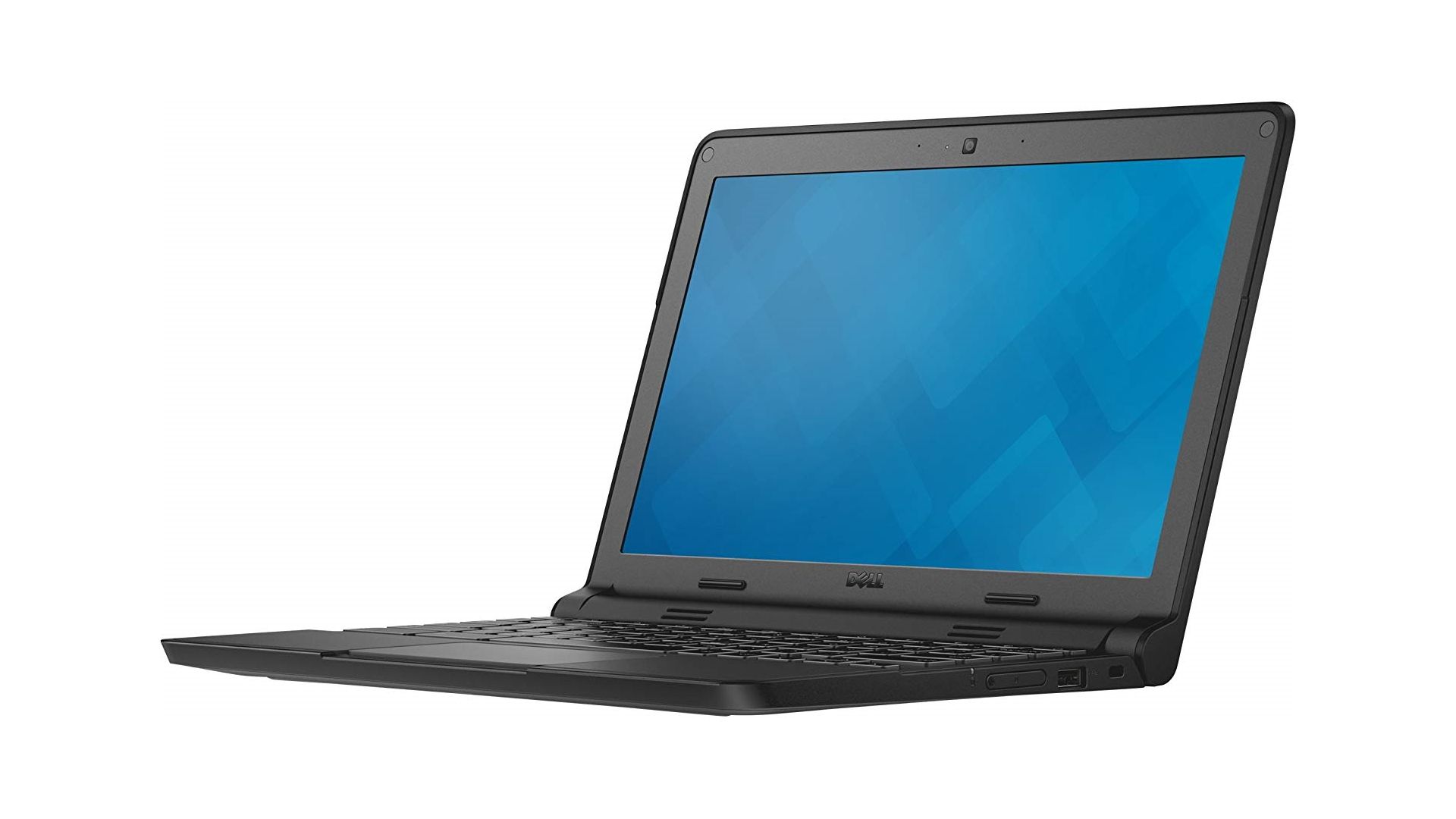
Chromebooks have long prioritized security through features like Verified Boot. With OpenTitan, Google adds an extra layer by embedding the chip directly into the device’s motherboard. This ensures that even if malware infects the operating system, the hardware remains uncompromised.
Data Center Implications
Data centers are the backbone of cloud computing, making them prime targets for cyberattacks. OpenTitan’s integration into Google’s infrastructure introduces a hardware-based security framework that safeguards sensitive data and prevents unauthorized access. This move aligns with industry trends toward hardware-enforced security, a critical step for enterprises handling high-stakes information.
OpenTitan Security: Balancing Performance and Protection
One of the biggest challenges in hardware security is avoiding performance trade-offs. OpenTitan addresses this by using efficient cryptographic algorithms and modular design. For example:
- Efficient Key Management: OpenTitan generates and stores cryptographic keys securely without slowing down system operations.
- Real-Time Monitoring: The chip continuously checks for hardware anomalies, flagging potential breaches before they escalate.
However, questions remain about its scalability. While OpenTitan excels in controlled environments like Chromebooks, its performance in high-traffic data centers requires further validation.
Future of OpenTitan in Pixel Devices
Speculation is growing about OpenTitan’s potential use in Pixel smartphones. A secure hardware layer could revolutionize mobile security by:
- Preventing unauthorized firmware modifications.
- Ensuring app integrity through hardware-backed attestation.
- Protecting biometric data like facial recognition.
Yet, integrating OpenTitan into mobile devices poses unique challenges. Power consumption, physical size, and cost are critical factors Google must address to maintain Pixel’s competitive edge.
Why OpenTitan Matters for Your Tech Ecosystem
OpenTitan isn’t just a Google project—it’s a blueprint for the future of secure computing. Its open-source nature invites collaboration, fostering innovation in hardware security. For businesses and consumers, this means:
- Transparency: Independent audits reduce the risk of hidden vulnerabilities.
- Customization: Developers can tailor security features to specific use cases.
Conclusion: Is OpenTitan the Future of Secure Tech?
Google’s OpenTitan project represents a bold step toward democratizing hardware security. While its performance in Chromebooks and data centers is promising, its long-term success depends on addressing scalability and cost barriers. As the tech world watches, one thing is clear: OpenTitan security is reshaping how we think about trust in digital systems.
What’s your take on OpenTitan? Share your thoughts in the comments below!