
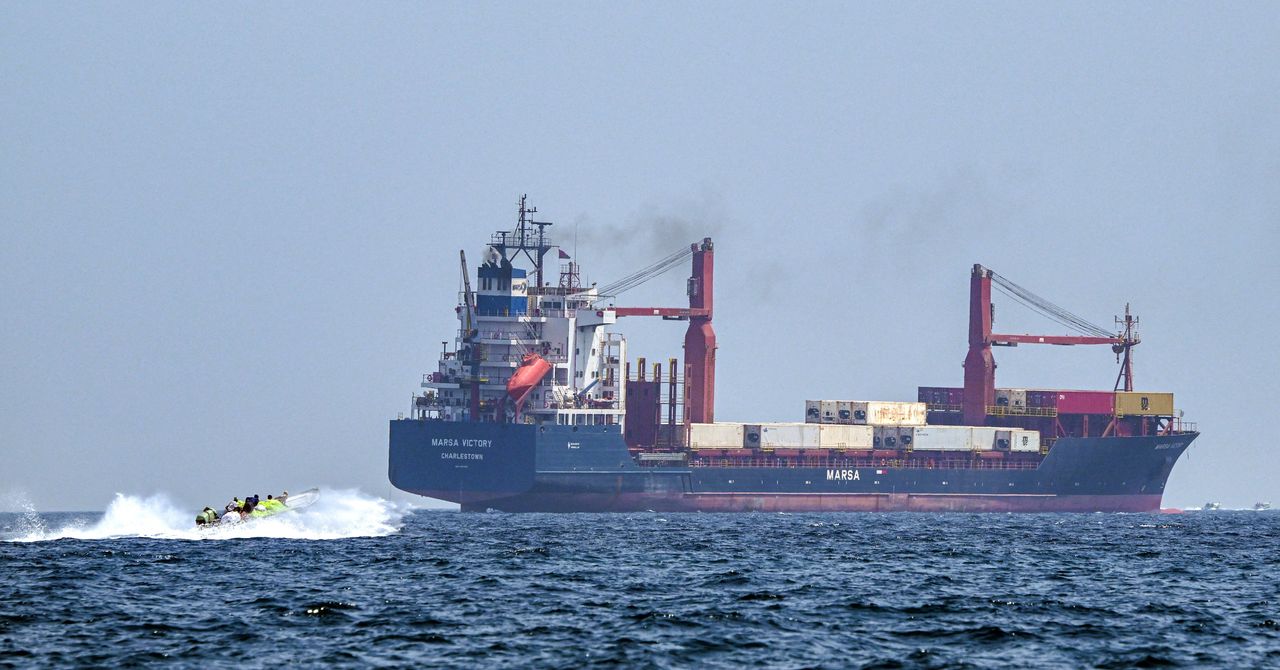
GPS Attacks Surge in Middle East: Navigational Risks Rise
Since the US and Israel launched attacks on Iran on February 28, 2026, GPS jamming and spoofing attacks have disrupted over 1,100 ships in the Strait of Hormuz and surrounding waters. Maritime intelligence firm Windward reports a dramatic spike in electronic interference, with vessels appearing misplaced on maps—including at a nuclear power plant. This surge in attacks has created a “critical” risk for global shipping, as tankers face both physical and electronic threats in the region.
How GPS Attacks Disrupt Shipping
GPS interference comes in two forms: jamming and spoofing. Jamming overwhelms satellite signals, rendering navigation systems useless. Spoofing, meanwhile, tricks devices into displaying false locations. Windward’s analysis reveals 21 new clusters of AIS (Automatic Identification System) jamming, with ships falsely appearing inland or near sensitive sites like the Barakah Nuclear Power Plant.
Key Impacts of GPS Attacks
- Ships mispositioned at airports and nuclear facilities
- Circle-like patterns in UAE, Qatari, and Omani waters
- Increased risk of collisions, groundings, and oil spills
Escalating Threats in a Warzone
The conflict has expanded beyond Iran, drawing in regional powers and raising the stakes. Joint Maritime Information Center (JMIC) warnings describe the situation as “critical,” with GNSS (Global Navigation Satellite System) interference causing positional errors and signal degradation. Spirent Communications reports six new spoofing signatures in the Middle East, affecting hundreds of flights before cancellations reduced the impact.
Why This Matters for Global Trade
The Strait of Hormuz handles 20% of the world’s oil. Disruptions here ripple across global markets. Windward CEO Ami Daniel warns, “The bigger the jamming, the higher the risk.” With flights grounded and ships rerouted, the economic and environmental costs of these attacks could be catastrophic.
What Can Be Done?
Maritime operators must adopt backup navigation systems and real-time monitoring tools. Governments and tech firms should invest in resilient GNSS infrastructure. For individuals, staying informed about regional risks is key—especially as conflicts increasingly weaponize digital infrastructure.
Conclusion: A Call for Vigilance
The surge in GPS attacks underscores the fragility of modern navigation systems. As the Middle East conflict intensifies, the need for robust countermeasures has never been greater. Stay updated on maritime advisories and consider alternative routing strategies to mitigate risks.
FAQs
How are GPS attacks affecting Middle East shipping routes?
GPS jamming and spoofing have mispositioned over 1,100 ships, creating navigation hazards and compliance risks. Windward reports false signals near nuclear sites and airports, increasing collision and spill risks.
What causes GPS interference in conflict zones?
Electronic warfare tactics, including jamming (blocking signals) and spoofing (creating false data), are used to disrupt navigation systems for ships, planes, and drones.
Can GPS attacks impact air travel?
Yes. Spirent Communications identified six new spoofing signatures in the Middle East, affecting hundreds of flights before cancellations reduced exposure.
Why is the Strait of Hormuz a critical target?
It’s a vital oil trade route handling 20% of global oil. Disruptions here threaten energy markets and environmental safety.
How can ships protect against GPS attacks?
Use backup navigation systems, real-time monitoring, and reroute through safer corridors. Governments should prioritize resilient GNSS infrastructure.








