
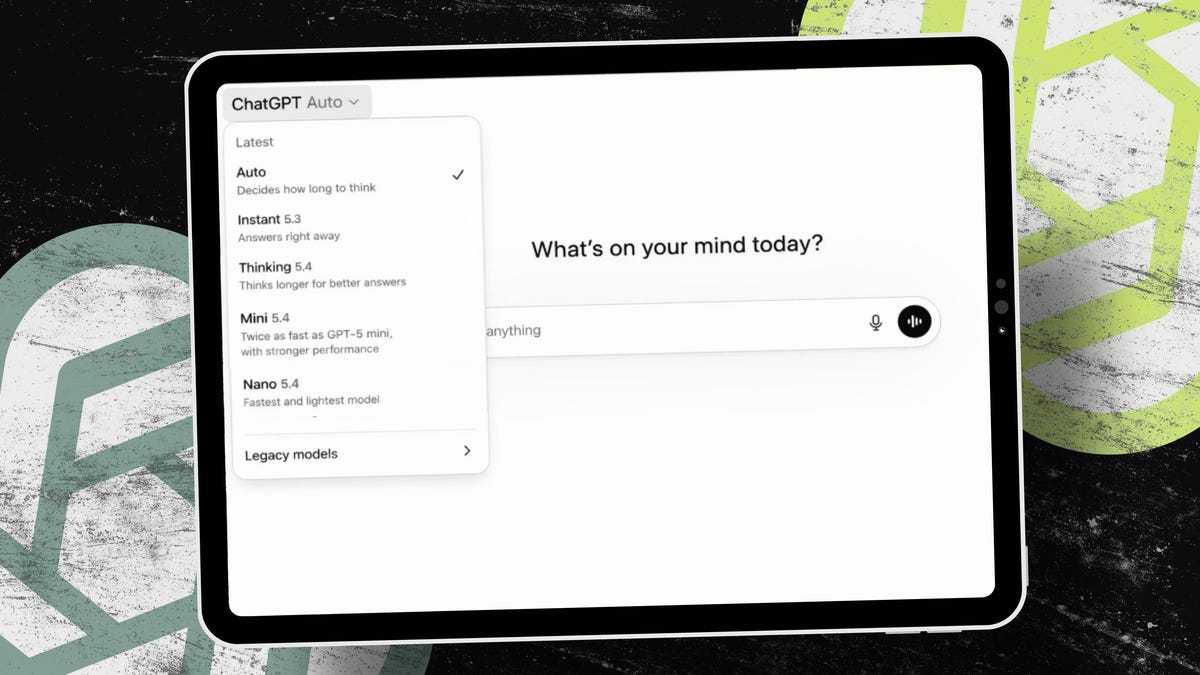
GPT-5.4 Mini & Nano: Faster, Cheaper AI for Developers
OpenAI has just shaken up the AI landscape with the launch of GPT-5.4 mini and GPT-5.4 nano, two new models designed to deliver near-GPT-5.4 performance at a fraction of the cost. These models target developers, coders, and businesses needing efficient AI for agents, coding workflows, and multi-modal tasks. With speed boosts and lower pricing, they’re reshaping how we think about AI scalability.
Why GPT-5.4 Mini and Nano Matter
OpenAI’s new models address a critical gap: high-performance AI that’s affordable for everyday tasks. GPT-5.4 mini runs 2.25x faster than GPT-5 mini, while GPT-5.4 nano is OpenAI’s smallest and cheapest model yet. Both excel in coding, subagent workflows, and multi-modal processing—ideal for developers building AI-driven apps or automating repetitive tasks.
Key Improvements
- Speed: GPT-5.4 mini is 2x faster than GPT-5 mini, reducing wait times for developers.
- Cost: Nano costs up to 4x less than previous models, making high-volume tasks feasible.
- Capabilities: Both models handle coding, image analysis, and subagent coordination with near-GPT-5.4 accuracy.
Use Cases for Developers
These models aren’t just incremental upgrades—they’re game-changers for specific workflows:
1. Coding and Code Optimization
GPT-5.4 mini excels at code generation and debugging. Developers report 3.3x more efficient code tasks compared to older models. JetBrains IDEs now integrate the model for real-time code suggestions, slashing development time.
2. Subagent Workflows
OpenAI positions nano as a “worker” for larger AI systems. For example, a main agent could delegate image analysis or data labeling to nano, enabling parallel processing without sacrificing accuracy.
3. Multi-Modal Tasks
With support for text, images, and code, these models simplify tasks like analyzing screenshots or converting audio transcripts to JSON. Simon Willison’s tests show nano could describe 76,000 photos for just $52.
Pricing and Performance Tradeoffs
While faster and cheaper, the models aren’t free. GPT-5.4 mini costs $0.75 per 1,000 input tokens (up 3x from GPT-5 mini), and nano at $0.20 per 1,000 tokens (4x increase). However, their efficiency offsets costs for high-volume users.
When to Use Which Model
- Mini: For coding, subagents, and tasks needing moderate speed.
- Nano: For ultra-cheap, high-speed tasks like data labeling or content summarization.
What Developers Are Saying
Early adopters praise the models’ balance of speed and capability. “GPT-5.4 mini feels like a Swiss Army knife for developers,” says Flavio Adamo, noting its role in parallelized workflows. Meanwhile, critics like @scaling01 compare nano to Kimi-K2.5, but most agree OpenAI’s models set a new benchmark for small AI.
Getting Started with GPT-5.4 Mini and Nano
OpenAI has made these models accessible via ChatGPT, Codex, and APIs. To test them:
- Visit OpenAI’s API page for integration details.
- Try the free tier in ChatGPT for coding or image analysis.
- Experiment with subagent workflows in tools like Openclaw or JetBrains IDEs.
Conclusion: The Future of Affordable AI
OpenAI’s GPT-5.4 mini and nano prove that cutting-edge AI doesn’t have to be expensive or slow. By optimizing for speed, cost, and task-specific performance, these models empower developers to build smarter, faster applications. Whether you’re automating code tasks or managing AI teams, now is the time to explore what GPT-5.4 mini and nano can do for you.
Ready to test-drive the new models? Visit OpenAI’s website and start building tomorrow’s AI today.








