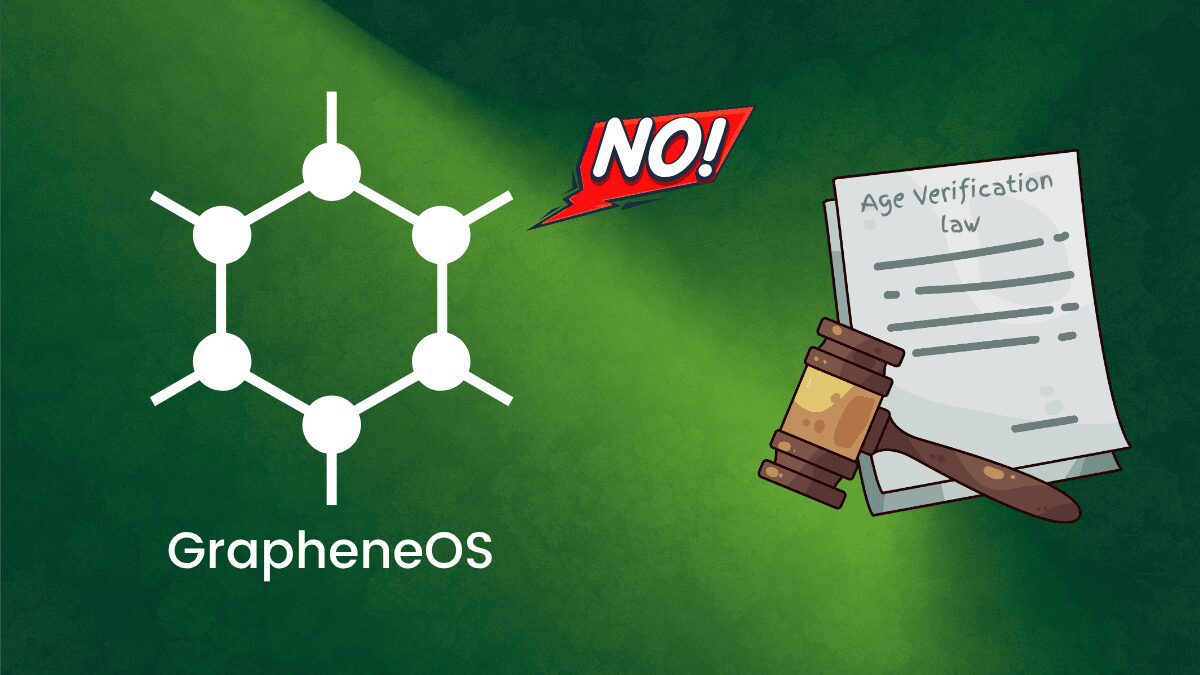
GrapheneOS Stands Firm Against Age Verification Laws
Privacy-first operating systems are facing a new battleground. In a recent statement, GrapheneOS has made its position clear: it will not comply with age verification laws, regardless of where they originate. This bold stance raises important questions about digital privacy, regulatory challenges, and the future of open-source software.
Why GrapheneOS Won’t Comply
The GrapheneOS team emphasized that its operating system and services will remain accessible globally without requiring personal information, identification, or account creation. This policy is non-negotiable—even if it means the OS cannot be sold in regions with strict age verification mandates.
“If GrapheneOS devices can’t be sold in a region due to their regulations, so be it,” the team stated in a public post. This declaration underscores a fundamental principle: user privacy must not be compromised by legal demands that conflict with core values.
Key Principles Behind the Decision
- No personal data collection: GrapheneOS requires no user identification, accounts, or tracking.
- Global accessibility: The OS remains available to all users worldwide, regardless of location.
- Non-compliance as a feature: Refusing to comply with invasive laws aligns with its privacy-first ethos.
The Rising Threat of Age Verification Laws
Age verification laws are expanding rapidly, targeting not just websites but the foundational layer of digital ecosystems: operating systems. Brazil’s Digital ECA law, effective since March 2026, imposes fines of up to R$50 million per violation. Meanwhile, California’s Digital Age Assurance Act will require OS providers to collect user age data at setup and share it with developers via APIs starting in 2027.
Other regions are following suit. Colorado, the UK, Australia, and Singapore have all introduced similar legislation, creating a patchwork of conflicting regulations. For privacy-focused projects like GrapheneOS, these laws represent a direct threat to their mission.
Why Operating Systems Are the New Target
Unlike websites or apps, operating systems control the entire user experience. Requiring age verification at the OS level forces developers to compromise user anonymity and data security. This shift has alarmed privacy advocates, who see it as a slippery slope toward mass surveillance.
GrapheneOS vs. the Market: The Motorola Partnership
Earlier this year, GrapheneOS partnered with Motorola to launch a smartphone pre-installed with its OS in 2027. This collaboration raises an intriguing dilemma: Motorola, as a global hardware vendor, must navigate age verification laws in regions where GrapheneOS refuses to comply.
The simplest solution is market segmentation. Motorola could sell GrapheneOS-powered devices only in regions without age verification laws, while maintaining its standard Android lineup elsewhere. This approach preserves GrapheneOS’s privacy-first model while allowing Motorola to meet regulatory requirements.
Challenges and Opportunities
- Market limitations: GrapheneOS devices may be unavailable in key regions like Brazil or California.
- Brand alignment: Motorola must balance its commercial goals with GrapheneOS’s ethical stance.
- User trust: The partnership could attract privacy-conscious consumers seeking alternatives to mainstream OSes.
Why This Matters for Users
For users tired of data harvesting, vendor lock-in, and invasive software practices, GrapheneOS represents a rare alternative. Unlike proprietary systems like Windows or macOS, it prioritizes transparency, security, and user control.
However, the project’s refusal to comply with age verification laws highlights a growing tension between privacy and regulation. While GrapheneOS remains steadfast, users must weigh the trade-offs between legal compliance and digital freedom.
Alternatives and Considerations
Other privacy-focused OSes, such as LineageOS or PostmarketOS, offer similar benefits but may have different stances on regulatory issues. Users should research each project’s policies before committing.
What’s Next for GrapheneOS?
The GrapheneOS team has shown no signs of backing down. As age verification laws evolve, the project may face increased legal pressure. However, its open-source nature allows developers worldwide to contribute and adapt to new challenges.
The Motorola partnership could also influence the project’s trajectory. If successful, it might set a precedent for other hardware vendors to adopt privacy-first OSes without compromising their global operations.
Conclusion: Privacy or Compliance?
GrapheneOS’s refusal to comply with age verification laws is a defining moment for the privacy-first movement. While the project risks market restrictions, it remains a beacon for users who prioritize digital autonomy over regulatory convenience.
Takeaway: If you value privacy and want to avoid invasive data collection, consider exploring GrapheneOS or similar projects. Stay informed about evolving laws and their impact on your digital rights.