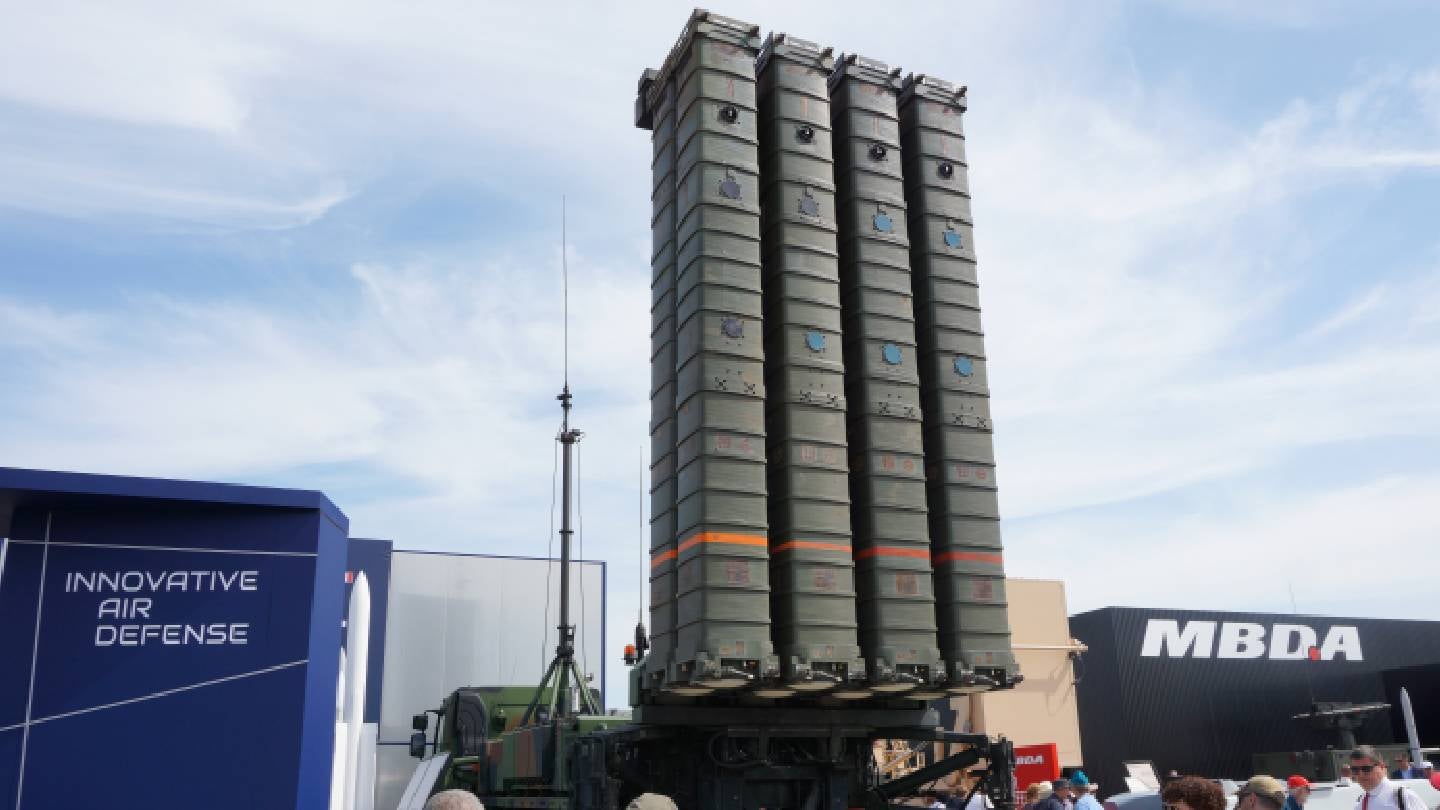
Gulf Nations Seek SAMP/T Air Defense Amid Regional Tensions
Amid escalating regional conflicts involving Iran, Israel, and the U.S., Gulf Cooperation Council (GCC) nations are urgently seeking advanced air defense systems to counter missile and drone threats. The French-Italian SAMP/T system, known as MAMBA, has emerged as a top priority for countries like the UAE, Qatar, and Kuwait. This article explores why this system is in demand and what it means for global defense strategies.
Why the SAMP/T Air Defense System?
The SAMP/T (Surface-to-Air Missile Platform/Terrain) system combines Aster 30 missiles with the Arabel radar, offering robust protection against cruise missiles, tactical ballistic missiles, and drones. Its ability to operate under electromagnetic jamming makes it a critical asset in high-stakes conflicts. Notably, it is the only European system capable of intercepting ballistic missiles, a feature that has drawn attention from Gulf states facing Iranian-backed attacks.
Key Features of the SAMP/T System
- Advanced Radar: The Arabel radar detects and tracks multiple threats simultaneously.
- Missile Capabilities: Aster 30 missiles can engage targets at ranges up to 120 km.
- Anti-Jamming Technology: Ensures reliability in contested environments.
Italy’s Role in Supplying SAMP/T Systems
Italy, a key developer of the SAMP/T system, has already deployed units to Ukraine since Russia’s invasion. However, Defense Minister Guido Crosetto has warned that export capacity to Gulf nations may be limited due to existing commitments. “These capabilities are already heavily strained,” he stated, highlighting the delicate balance between supporting Ukraine and meeting new international demands.
Challenges in Meeting Demand
Italy’s dual obligations—supporting Ukraine and addressing Gulf security needs—pose logistical and production challenges. The SAMP/T system’s complexity and high cost further complicate rapid scaling. Meanwhile, Gulf nations are exploring alternative defense partnerships to fill potential gaps.
Regional Tensions and GCC Responses
Recent attacks attributed to Iran have targeted civilian and military sites across the GCC. In response, the GCC Ministerial Council convened an emergency meeting to assess threats and reaffirm Article 51 self-defense rights. Member states have pledged to take “all necessary measures” to protect sovereignty, signaling a shift toward proactive defense strategies.
Implications for Global Defense Markets
The surge in demand for systems like SAMP/T underscores a broader trend: regional conflicts are driving innovation and investment in air defense. European manufacturers like France and Italy are positioning themselves as key players, while Gulf nations diversify their defense portfolios to reduce reliance on any single supplier.
What This Means for You
For defense analysts, policymakers, and industry leaders, the SAMP/T system’s rise highlights the intersection of technology, geopolitics, and strategic partnerships. Staying informed about these developments is crucial for navigating the evolving security landscape.
Takeaway
As regional tensions persist, the SAMP/T system represents a critical tool for Gulf nations to safeguard their interests. However, its availability and deployment will depend on complex geopolitical negotiations and industrial capacity.