
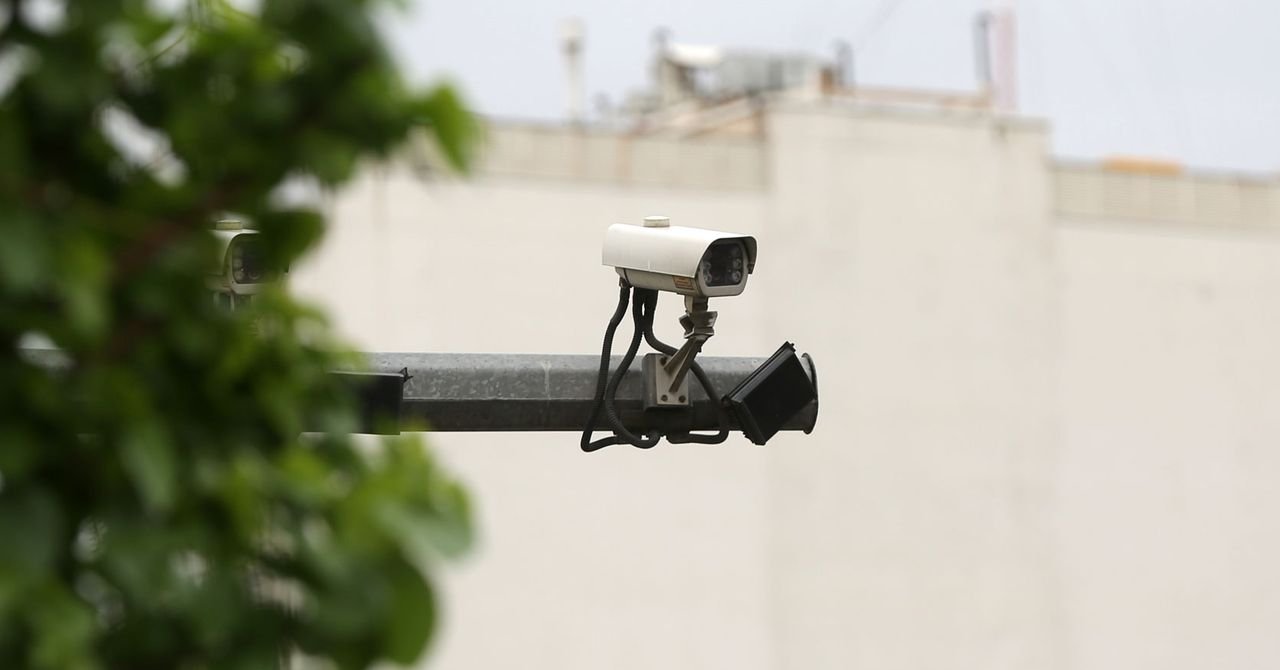
Hacking Security Cameras in Warfare: A New Surveillance Playbook
Modern warfare has evolved beyond satellites and drones. Today, consumer-grade security cameras are becoming critical tools for military surveillance. Recent research reveals how nations like Iran, Israel, and Russia are exploiting these devices to gather intelligence, plan strikes, and assess damage—all at a fraction of the cost of traditional methods.
How Hacking Security Cameras Works in Warfare
Security cameras, often left unpatched and poorly secured, offer a low-cost entry point for hackers. By exploiting known vulnerabilities in brands like Hikvision and Dahua, attackers gain real-time visibility into strategic locations. For example, Iranian hackers have targeted cameras in the Middle East, timing their attacks to coincide with missile strikes on Israel and Cyprus.
Key Vulnerabilities
- Outdated firmware with unpatched software flaws
- Weak default passwords and public IP addresses
- Lack of network segmentation for IoT devices
Real-World Examples of Camera Hacking in Conflict
Israel’s military reportedly accessed Tehran’s traffic cameras to track Ayatollah Khamenei’s movements before a fatal airstrike. Similarly, Ukraine’s SSU intelligence service disabled 10,000 webcams to prevent Russian surveillance during the war. Meanwhile, Ukrainian hackers have repurposed Russian cameras to monitor troop movements.
Iran’s Strategic Use of Hacked Cameras
Check Point Research identified 300+ hacking attempts by Iranian-linked groups, timed to U.S. and Israeli strikes. These attacks exploited vulnerabilities discovered as early as 2017, highlighting the persistent risks of unpatched devices.
Why This Matters for Cybersecurity
The ease of hacking security cameras underscores a growing threat: civilian infrastructure as a battleground. For $100, a hacker can gain access to a camera with 1080p resolution—far cheaper than a satellite. As Peter W. Singer notes, “The adversary has already done the work of placing cameras around cities.”
Steps to Secure Your Cameras
- Update firmware immediately when patches are released
- Change default passwords to strong, unique credentials
- Isolate IoT devices on a separate network
- Disable public IP access unless absolutely necessary
Conclusion: The Future of Warfare and Surveillance
Hacking security cameras is no longer a niche tactic—it’s a standard part of military strategy. As nations refine these methods, individuals and organizations must prioritize cybersecurity basics. Protect your devices, stay informed, and consider the risks of leaving cameras exposed to global conflicts.
Call to Action
Review your security camera setup today. Use tools like Check Point’s free vulnerability scanner to identify risks and follow our checklist to harden your devices against exploitation.








