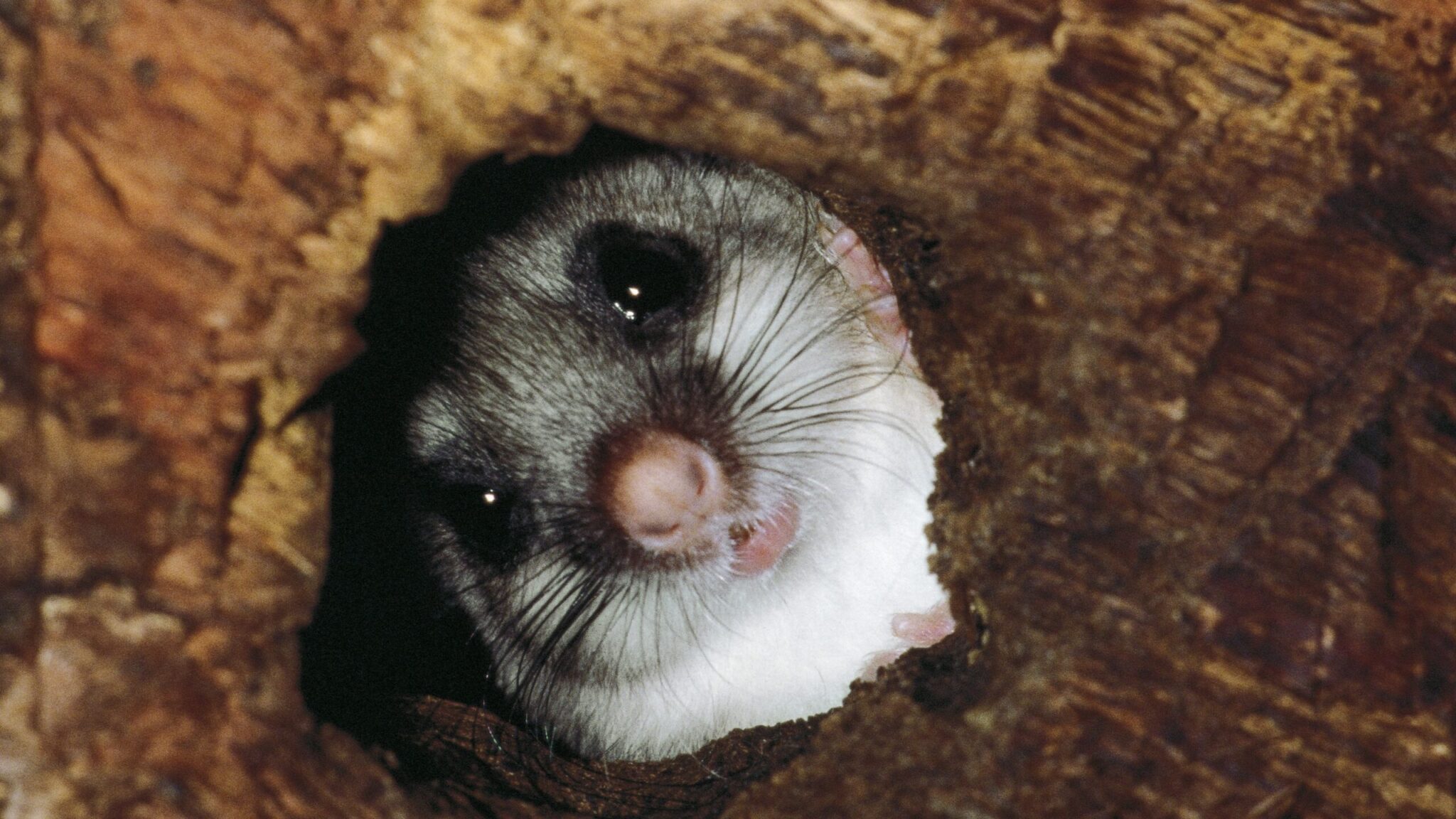
Heterothermy: The Animals That Control Their Body Heat
Some creatures can dramatically alter their internal temperature and outlast storms, floods, and predators. For example, the fat-tailed dwarf lemur’s body temperature can fluctuate by nearly 45°F (25°C) over a single day.
What is Heterothermy?
Heterothermy is the ability of some animals to vary their body temperature for minutes, hours, or weeks at a time. This flexible approach can help animals persist through dangers. Danielle Levesque, a mammalian ecophysiologist, notes that many more animals than scientists once appreciated employ this approach.
Meanwhile, improvements in technology have allowed researchers to track small animals and their metabolisms in the wild more easily. As a result, scientists are starting to find more examples of heterothermy. For instance, Australian eastern long-eared bats adjust their torpor use based on day-to-day changes in weather conditions.
Types of Heterothermy
There are different types of heterothermy, including classic hibernation and shallow torpor. Hibernation is a state of deep torpor, where metabolism slows down, and body temperature can drop to just above freezing. However, many mammals can deploy shorter bouts of shallow torpor as the need arises.
Additionally, some animals, like sugar gliders, rarely use torpor but can take advantage of it in case of major weather emergencies. During a storm, the gliders were more likely to stay cuddled up in their tree-hole nests and enter torpor, reducing their body temperature.
Finally, heterothermy can help animals wait out catastrophes. In contrast, homeothermic species can’t just dial back their need for food and water and may not be able to outlast challenging conditions.