Hezbollah’s Delayed Response to Iran-Middle East Crisis
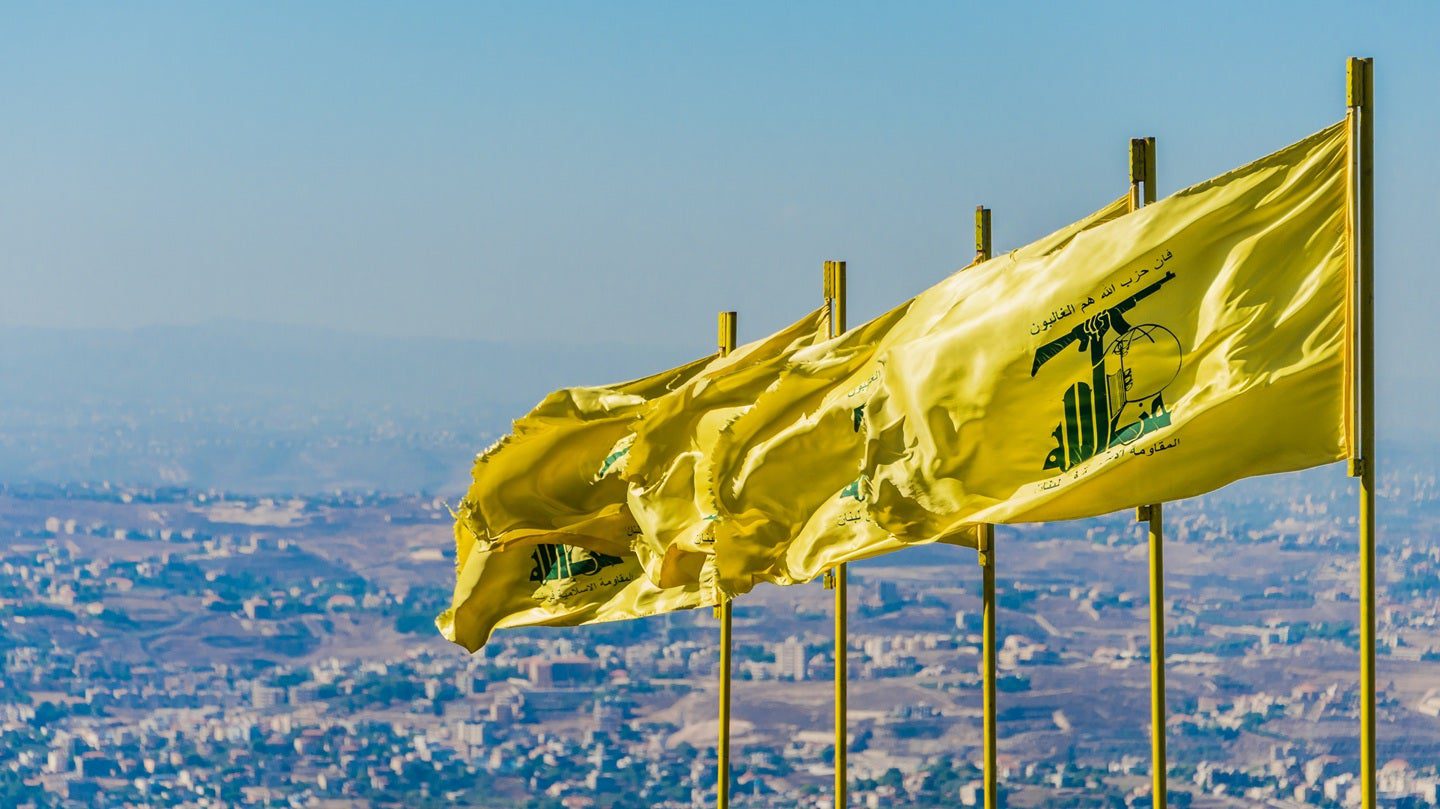
Hezbollah, the Shia paramilitary force backed by Iran, has finally acted on 1 March after seeing its backers in Tehran hammered by US and Israeli air strikes. The delay in response could be attributed to several factors, including the death of Ayatollah Ali Khamenei and the need to replenish its forces after intense combat operations.
Factors Behind the Delayed Response
According to Sarit Zehavi, president of the Alma Research and Education Center, the delay could be due to a combination of interests and religious motivation. Hezbollah had lost around 80% of its military capability after joining Hamas in attacks against Israel in 2023.
Hezbollah maintains a stockpile of around 25,000 rockets and more than 1,000 drones and has been attempting to replenish its capabilities through in-country manufacture and smuggling from Iran through Syria.
Middle East Crisis and UNIFIL
The entry of Hezbollah into the growing crisis in the Middle East could further destabilize a region already reeling from 72 hours of US and Israeli strikes on Iran, and Tehran’s subsequent response. Little has been heard from UNIFIL, the UN mission to Lebanon, since the outbreak of hostilities in the Middle East.
When asked about the possibility of the IDF liaising with UNIFIL to de-escalate tensions in Lebanon, Zehavi was scornful of the UN force, stating that it had previously damaged Israel’s efforts to disarm Hezbollah.
Conclusion
In conclusion, Hezbollah’s delayed response to the Iran-Middle East crisis could be attributed to several factors, including the need to replenish its forces and the death of Ayatollah Ali Khamenei. The entry of Hezbollah into the crisis could further destabilize the region, and the role of UNIFIL remains unclear.
For more information on the Middle East crisis and its impact on the region, click here.
Frequently Asked Questions
- What is the current situation in the Middle East crisis? The Middle East crisis is ongoing, with Hezbollah having entered the conflict on 1 March.
- What is the role of UNIFIL in the crisis? The role of UNIFIL is unclear, with little having been heard from the UN mission to Lebanon since the outbreak of hostilities.
- What is the impact of the crisis on the region? The crisis could further destabilize a region already reeling from 72 hours of US and Israeli strikes on Iran, and Tehran’s subsequent response.
- What is the focus keyword for this article? The focus keyword for this article is Middle East crisis.
- What is the significance of the death of Ayatollah Ali Khamenei? The death of Ayatollah Ali Khamenei could be a key factor in Hezbollah’s delayed response to the crisis.