Discovering the Culprits Behind Your Shrinking Storage Space
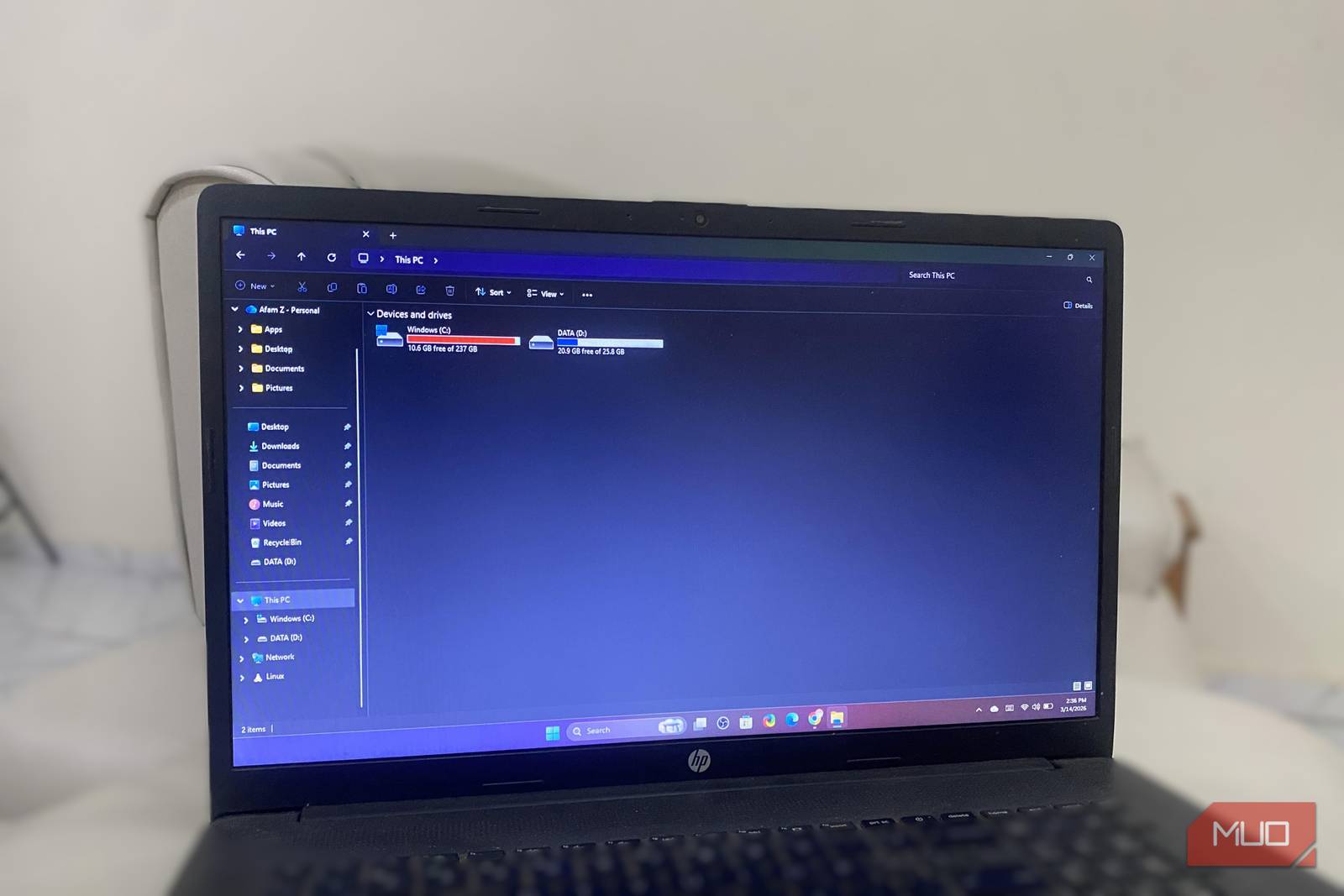
Have you ever wondered where your Windows storage space goes? You’re not alone. Recently, I discovered that some Windows folders were quietly eating up 50GB of my storage. In this article, we’ll explore how to identify and manage these folders to free up space on your device.
Understanding the Focus Keyword: Windows Storage
The focus keyword for this article is ‘Windows storage’. To optimize your device’s storage, it’s essential to understand how Windows uses storage space. Windows has various folders that store temporary files, system files, and user data. However, some of these folders can grow in size and consume a significant amount of storage space.
Identifying the Culprits
To identify the folders eating up your storage space, follow these steps:
- Open the File Explorer and navigate to the ‘This PC’ or ‘Computer’ section.
- Click on the ‘Properties’ option and then select ‘Storage’.
- Look for the ‘Temporary files’ and ‘System files’ sections.
Managing Windows Folders to Free Up Space
To free up space on your device, you can manage the Windows folders that are consuming the most storage space. For example, you can delete temporary files, empty the recycle bin, and remove system files that are no longer needed. Additionally, you can use the ‘Storage Sense’ feature to automatically free up space on your device.
Using Storage Sense to Optimize Your Device’s Storage
Storage Sense is a feature in Windows that helps you free up space on your device by automatically deleting temporary files and removing items that you no longer need. To use Storage Sense, follow these steps:
- Go to the ‘Settings’ app and select ‘System’.
- Click on the ‘Storage’ option and then select ‘Storage Sense’.
- Turn on the ‘Storage Sense’ feature and select the types of files you want to delete.
Meanwhile, it’s essential to note that some Windows folders are essential for the proper functioning of your device. Therefore, it’s crucial to be cautious when deleting files and folders to avoid causing any issues with your device.
Finally, to keep your device’s storage space optimized, it’s recommended to regularly check for updates and run disk cleanups to remove any unnecessary files and folders.
For example, you can use the ‘Disk Cleanup’ tool to remove temporary files, system files, and other items that you no longer need. Additionally, you can use third-party tools to help you manage your device’s storage space and identify folders that are consuming the most space.
However, it’s essential to be careful when using third-party tools to avoid causing any issues with your device. Therefore, it’s recommended to only use reputable tools and follow the instructions carefully.
In conclusion, managing Windows folders to free up space on your device is essential to ensure that your device runs smoothly and efficiently. By following the steps outlined in this article, you can identify and manage the folders that are consuming the most storage space and keep your device’s storage space optimized.
Therefore, take control of your device’s storage space today and start managing your Windows folders to free up space and improve your device’s performance.