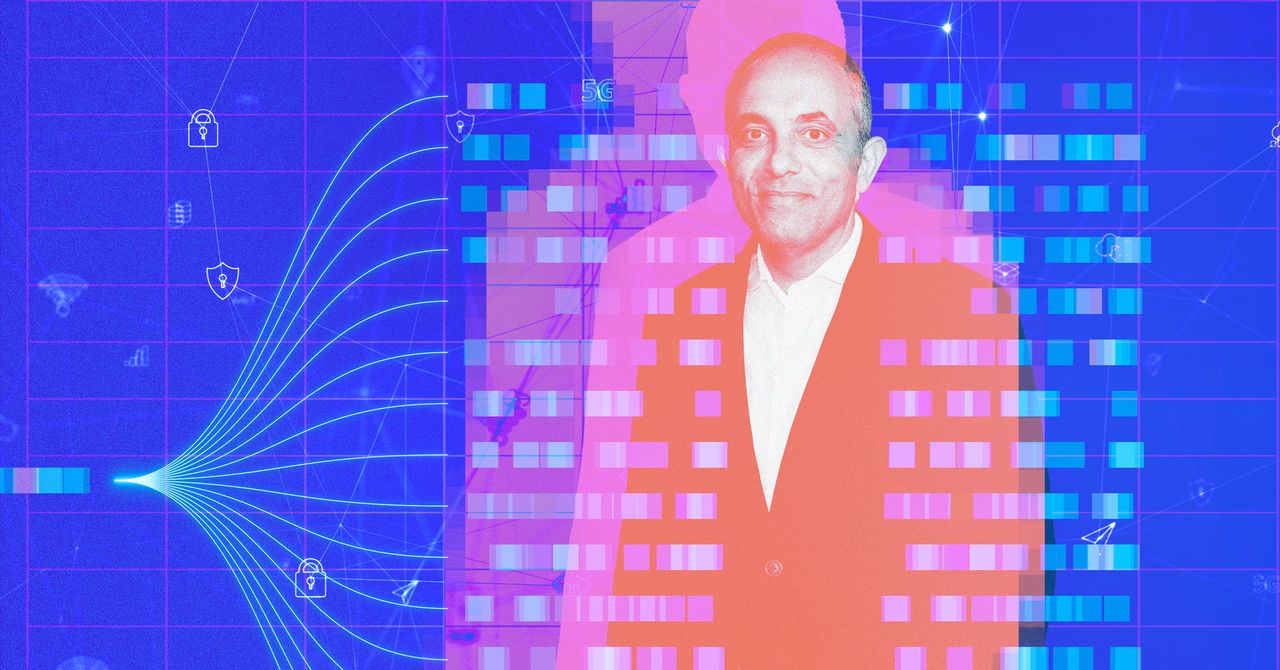
How a Music CEO Built a Global Threat Map in His Spare Time
Elie Habib, CEO of Anghami, didn’t set out to revolutionize global conflict tracking. But when geopolitical tensions spiked in early 2026, his side project—World Monitor—became an open-source open-source threat map used by millions to track real-time conflicts. This is the story of how a music streaming executive turned engineer built a tool to make sense of chaos.
From Music Streaming to Global Threat Mapping
Habib’s journey began with frustration. As missiles flew and headlines collided, he found traditional news sources inadequate. “The news became genuinely hard to parse,” he explains. “I needed something that showed how these events connect in real time.”
With his engineering background, Habib treated the problem as a weekend challenge. “I built World Monitor in a single day as a learning exercise,” he says. The result? A dashboard fusing 100+ data streams—including aircraft signals, satellite fire detections, and internet outages—into a live global map.
The Technology Behind the Map
Data Sources and Real-Time Processing
- ADS-B and AIS signals track military aircraft and cargo ships
- Satellite fire detection identifies conflict hotspots
- Internet outage data highlights communication disruptions
World Monitor’s architecture mirrors Habib’s experience scaling Anghami’s music streaming systems. “The principles are the same,” he says. “We process millions of streams daily—whether music or geopolitical data, the systems remain consistent.”
Verification Without Human Editors
The platform relies on a strict source hierarchy:
- Top-tier: Reuters, AP, Pentagon, UN
- Middle-tier: BBC, Al Jazeera, Bellingcat
When multiple credible sources report the same event, the system flags it as a breaking alert. Physical signals like internet blackouts and diverted flights further validate claims. “One signal is noise. Three or four converging is the signal,” Habib explains.
Global Reach and Unexpected Impact
World Monitor’s user base spans continents:
- 35% from Asia
- 20% from Europe
- 18% from the Middle East and North Africa
What started as a curiosity for analysts became a lifeline during the Iran-US-Israel strikes. Traffic doubled in weeks, with 216,000+ daily visitors. “Every day has been the biggest day since the strikes started,” Habib notes.
Why This Matters for Everyone
World Monitor isn’t just for experts. Traders monitor supply chains, engineers track infrastructure, and casual users follow escalations in real time. “One sports bar runs it on their TVs when there are no games,” Habib says.
Conclusion: Open-Source Solutions for Global Challenges
Elie Habib’s open-source threat map proves that innovation can emerge from unexpected places. By combining engineering rigor with a passion for clarity, he created a tool that bridges the gap between fragmented news and actionable insights. Explore World Monitor today and see how real-time data transforms your understanding of global events.
FAQs
1. What is an open-source threat map?
An open-source threat map is a publicly accessible platform that aggregates real-time data to track global conflicts and security risks.
2. How does World Monitor verify its data?
World Monitor uses a multi-tier source hierarchy and convergence algorithms to cross-check events across credible news outlets and physical signals.
3. Who uses the platform?
Users range from geopolitical analysts and traders to casual observers tracking real-time conflicts and infrastructure disruptions.
4. Is the platform free to use?
Yes, World Monitor remains open-source and free, with no subscription or payment required.
5. Can I contribute to the project?
Developers worldwide have already contributed code and ideas. Visit the project’s GitHub page to get involved.