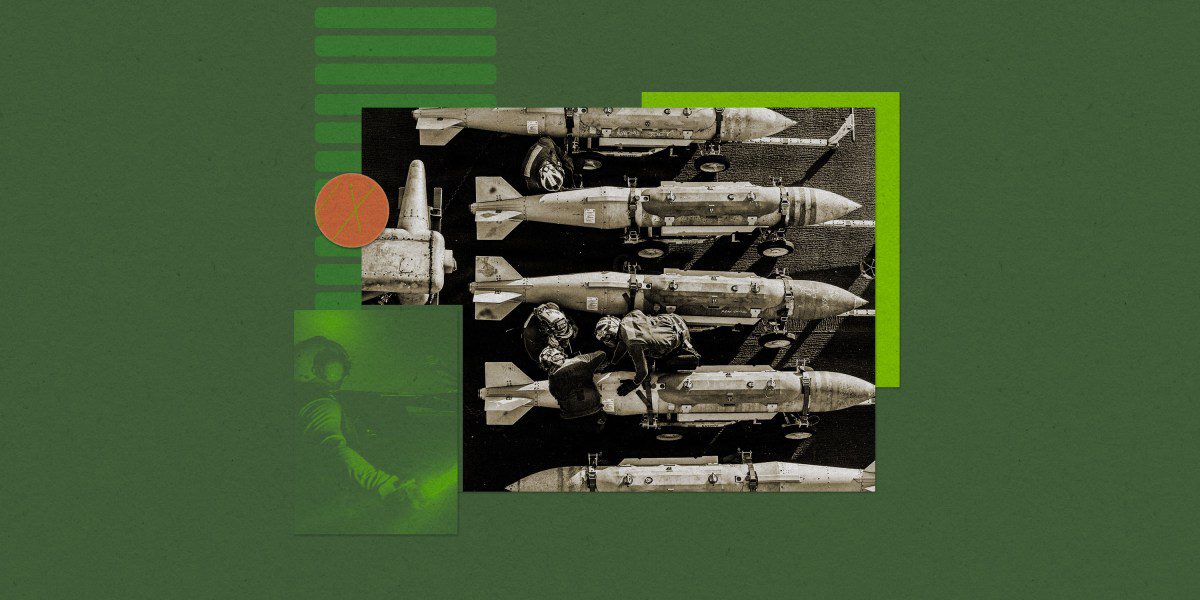
How AI Chatbots Are Revolutionizing Military Targeting
Generative AI is reshaping the battlefield. A U.S. Defense Department official recently revealed how AI chatbots could streamline targeting decisions, adding a new layer to military operations. This shift raises critical questions about ethics, speed, and human oversight in warfare.
From Maven to Chatbots: The Evolution of Military AI
Since 2017, the U.S. military has relied on the Maven project—a big data initiative using computer vision to analyze drone footage and identify targets. While effective, this system required soldiers to manually inspect maps and dashboards for hours. Now, generative AI chatbots are accelerating this process by prioritizing targets and offering real-time recommendations.
For example, a generative AI system might analyze a list of potential targets, factoring in aircraft locations and mission parameters. Humans then review these AI-generated suggestions before making final decisions. This hybrid approach combines the speed of AI with human judgment.
Key Differences Between Generative AI and Traditional Systems
- Speed: Generative AI can process data faster than older systems, reducing decision-making time.
- Accessibility: Chatbots provide conversational interfaces, making complex data easier to interpret.
- Verification Challenges: Unlike Maven’s visual outputs, generative AI’s text-based results require careful validation.
Real-World Applications and Ethical Debates
The Pentagon’s use of AI chatbots has sparked controversy. Recent scrutiny over a strike on an Iranian school—where over 100 children died—has intensified debates about AI’s role in warfare. While investigations continue, the military is testing models like OpenAI’s ChatGPT, xAI’s Grok, and Anthropic’s Claude in classified settings.
Public Scrutiny and Legal Battles
Anthropic’s Claude faced backlash after being linked to operations in Iran and Venezuela. The Pentagon recently labeled the company a supply chain risk, prompting legal challenges. Meanwhile, OpenAI’s partnership with the military includes restrictions, though their effectiveness remains unclear.
What’s Next for Military AI?
The Pentagon’s GenAI.mil initiative now provides non-classified AI tools to millions of service members. However, only a few models are approved for classified use. As technology evolves, the military must balance innovation with accountability.
Key Takeaways
- Generative AI chatbots are streamlining targeting decisions but require human oversight.
- Older systems like Maven remain critical for data analysis, while chatbots handle prioritization.
- Ethical concerns and legal battles highlight the need for transparent AI policies.
Conclusion: Balancing Speed and Responsibility
AI chatbots are transforming military operations, but their power demands careful regulation. As the Pentagon integrates these tools, the focus must remain on ensuring human accountability. What do you think about AI’s role in warfare? Share your insights in the comments below.