
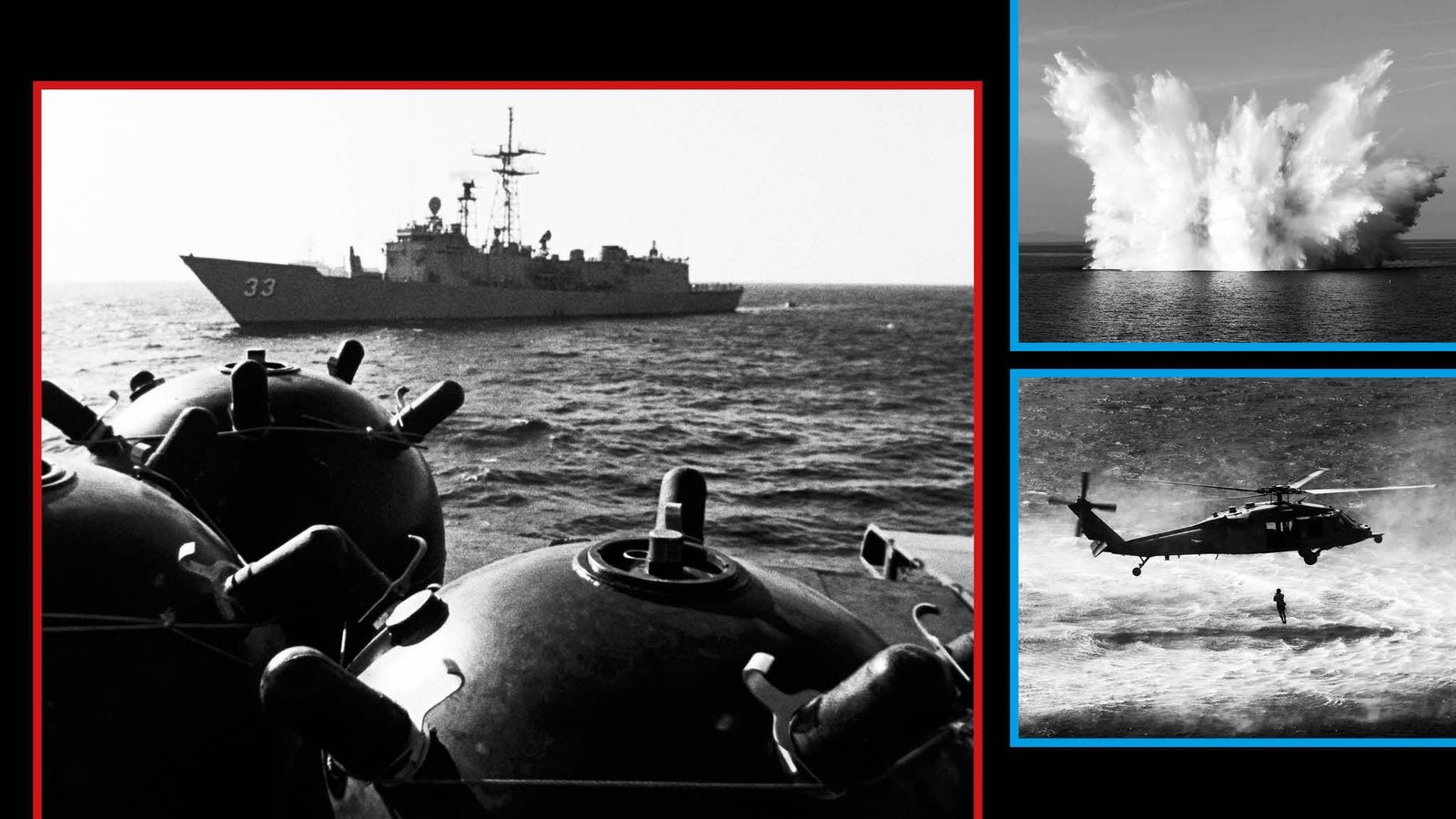
How Military Mines Could Tighten Iran’s Gulf Chokehold
Recent developments in the Gulf have reignited global concerns about Iran’s strategic use of military mines to control critical shipping lanes. The Strait of Hormuz, a narrow waterway through which 20% of the world’s oil flows, remains a focal point of geopolitical tension. This article explores how military mines could reshape regional security and global energy markets.
Understanding the Gulf Chokehold Strategy
Iran’s military doctrine emphasizes asymmetric warfare, leveraging geography to counter superior naval forces. By deploying mines in the Strait of Hormuz, Iran could disrupt oil exports, destabilize global markets, and pressure adversaries without direct confrontation. This tactic has historical precedent, notably during the 1980s Iran-Iraq War, when mines caused significant damage to commercial and military vessels.
Key Strategic Advantages
- Cost-Effectiveness: Mines are inexpensive compared to advanced naval assets.
- Unpredictability: Their placement creates uncertainty, deterring large-scale military operations.
- Force Multiplier: Even a small minefield can force costly naval patrols and mine-clearing efforts.
Military Mines: A Strategic Weapon
Modern mines are highly sophisticated, capable of targeting specific ship types and remaining undetected for years. Iran’s stockpile includes both moored and bottom mines, with some variants designed to evade sonar detection. Analysts warn that a coordinated mine campaign could cripple regional trade within days, forcing global powers to respond diplomatically or militarily.
Historical Precedents
During the 1980s, Iran’s use of mines in the Gulf led to the U.S. establishing the Iranian Mine Threat task force. Today, similar tactics could trigger renewed U.S. or coalition intervention, escalating tensions. The 2019 Saudi oil facility attacks demonstrated how even indirect threats can destabilize energy markets.
Implications for Global Shipping
A minefield in the Strait of Hormuz would have immediate economic consequences. Insurance premiums for tankers could skyrocket, rerouting trade through longer, costlier paths. For example, the Suez Canal route is 7,000 miles longer than the Gulf shortcut. This disruption would disproportionately affect energy-dependent economies like China and India.
Regional Power Dynamics
Iran’s neighbors, including Saudi Arabia and the UAE, are investing in naval capabilities to counter mine threats. The U.S. Fifth Fleet, based in Bahrain, has also increased patrols. Meanwhile, Russia and China have called for de-escalation, highlighting the complex web of alliances and rivalries in the region.
What’s Next for the Gulf?
While the immediate risk of mine deployment remains low, the potential for escalation is real. Diplomatic efforts, such as the ongoing U.S.-Iran talks, will be critical in preventing conflict. For businesses, diversifying supply chains and securing insurance against geopolitical risks are prudent steps.
Expert Recommendations
- Monitor naval activity in the Gulf via satellite and maritime tracking platforms.
- Engage with policymakers to advocate for stable energy trade routes.
- Invest in alternative energy sources to reduce reliance on volatile regions.
Conclusion
The Gulf remains a tinderbox of strategic interests. Military mines, though a relic of past conflicts, could once again shape the region’s future. By understanding these dynamics, stakeholders can better prepare for potential disruptions. Stay informed and proactive—subscribe to our newsletter for real-time updates on global security trends.








