The Apollo Sampling Bias and Lunar Magnetic Field Theories
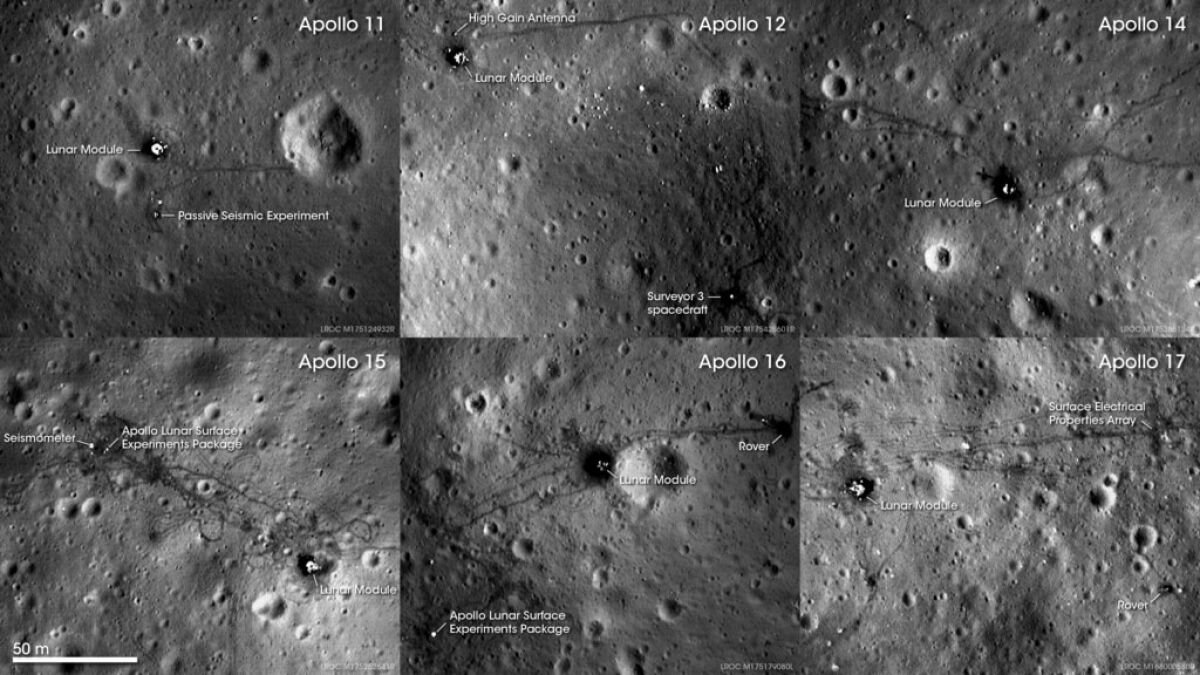
The Apollo missions revolutionized our understanding of the Moon, but their sampling methods may have introduced a critical flaw. A recent study in Nature Geoscience reveals that the Moon’s early magnetic field history was likely misinterpreted due to biased rock collection. By focusing on easily accessible Mare basalt plains, Apollo astronauts gathered samples that skewed scientific conclusions about lunar magnetism.
Mare Basalt Samples and Magnetic Signatures
Mare basalts, the flat plains chosen for Apollo landings, contain high titanium concentrations. These rocks showed strong magnetic alignment, suggesting a powerful ancient lunar magnetic field. However, the new research from the University of Oxford links this magnetism to rare titanium-rich melting events, not a sustained strong field. This challenges earlier assumptions rooted in Apollo samples.
New Findings from Oxford University
The Oxford team discovered that magnetic signatures in Apollo samples correlate with titanium spikes. They propose the Moon had a weak magnetic field for most of its history, with brief (thousands of years) periods of intense magnetism caused by core melting. The Apollo sites, coincidentally located in these rare titanium-rich regions, created a false impression of prolonged strong magnetism.
Implications for Lunar History and Future Research
This study reshapes our view of the Moon’s geological past. Key takeaways include:
- Sampling bias can distort scientific conclusions, even with high-quality data.
- The Moon’s magnetic field was likely weak and intermittent, not consistently strong.
- Future lunar missions must prioritize diverse sampling locations to avoid similar biases.
Why This Matters for Space Science
Understanding the Moon’s magnetic history informs theories about planetary core dynamics and early solar system conditions. The study also highlights the importance of statistical representativeness in scientific sampling—a lesson applicable to Earth-based research as well.
Conclusion: Revisiting Lunar History
The Apollo missions provided invaluable data, but their sampling limitations remind us that even groundbreaking research can be incomplete. By acknowledging this bias, scientists can refine models of the Moon’s evolution. Explore NASA’s interactive lunar rock database to see the samples that sparked this debate.