
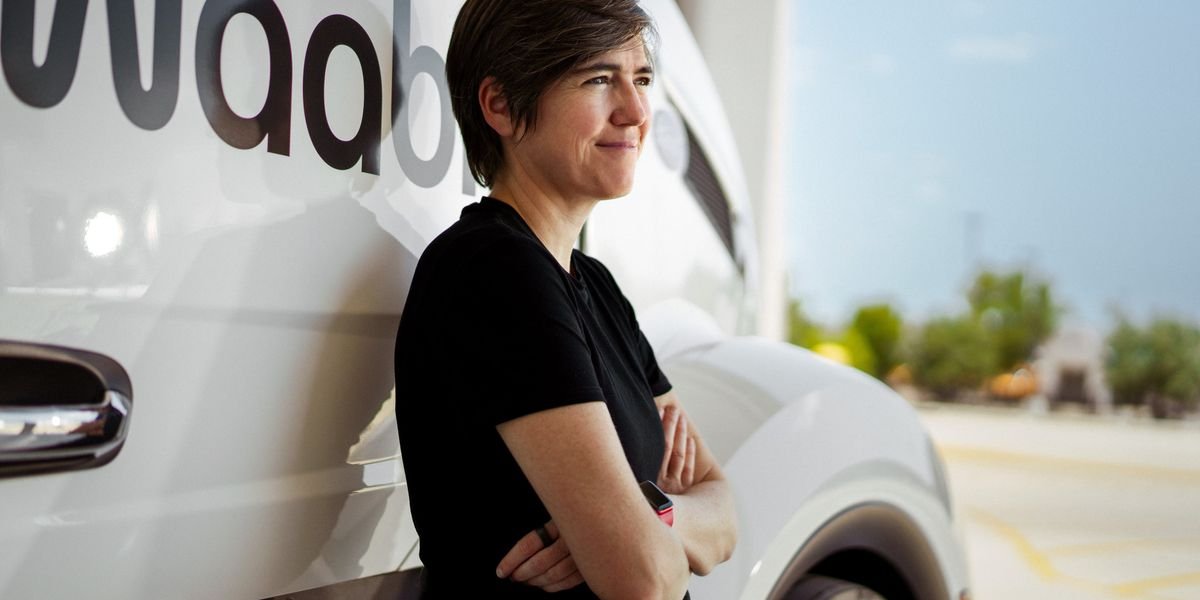
How Waabi is Revolutionizing Level-4 Autonomous Trucks with AI Simulation
Imagine a future where 18-wheeler trucks drive themselves across the country, navigating highways with precision and safety. Raquel Urtasun, founder of AI startup Waabi, is making this vision a reality. Since 2023, her team has been testing Level-4 autonomous trucks on the Dallas-Houston route, using cutting-edge simulation technology to train their AI systems. This approach isn’t just innovative—it’s redefining how autonomous vehicles learn and adapt.
The Challenge of Level-4 Autonomous Trucks
Developing self-driving trucks capable of handling complex real-world scenarios is no small feat. Unlike passenger cars, heavy-duty trucks face unique challenges: unpredictable weather, dense traffic, and the sheer weight of cargo. Traditional methods of training AI through real-world testing are slow, expensive, and risky. That’s where Waabi’s simulation-first strategy shines.
Why Simulation is the Key to Safer AI
Waabi’s approach centers on creating a virtual training ground for its AI. By simulating millions of driving scenarios—rainstorms, construction zones, sudden lane changes—the system learns to react faster and more accurately than human drivers. This method reduces reliance on physical testing, accelerates development, and ensures the AI is prepared for rare but critical edge cases.
How Simulation Works in Practice
- Virtual Environments: Waabi builds hyper-realistic digital replicas of real-world roads.
- AI Reinforcement Learning: The system improves by testing thousands of decisions per second.
- Real-Time Feedback: Errors are identified instantly, allowing rapid adjustments.
From Simulation to the Road
While simulation is powerful, real-world testing remains essential. Waabi’s trucks operate on a 400-mile route between Dallas and Houston, gathering data to refine their AI. This hybrid model—combining virtual training with physical validation—creates a feedback loop that enhances safety and performance. For example, a sudden obstacle on the highway can be analyzed in simulation to prevent future incidents.
Benefits for the Transportation Industry
The implications are huge. Autonomous trucks could reduce shipping costs by up to 30%, cut fuel consumption through optimized driving patterns, and address the driver shortage crisis. For companies like Waabi, the goal isn’t just to automate driving—it’s to make it smarter, safer, and more efficient.
What’s Next for Waabi?
Urtasun’s team is already expanding its simulation library to include urban environments and cross-border routes. As regulations evolve and public trust grows, Level-4 autonomy could become the standard for freight transport. The key to success? Continuous innovation in AI training—and Waabi is leading the charge.
Ready to stay ahead of the curve? Follow Waabi’s progress or explore how AI-driven transportation is shaping the future. The road to autonomy is paved with data, and Waabi is driving it forward—one simulation at a time.








