
Introduction: A Personal Take on Meal Replacement
In 2017, I found myself in a dark place—stressed, depressed, and struggling with health issues. My therapist suggested meal replacement drinks to help me regain stability. For six weeks, I drank two chocolate Ensures daily until I could rebuild my life. This experience recently resurfaced when I encountered a Huel ad. Known for its meal replacement drinks and daily greens, Huel positions itself as a “nutritionally complete” solution. But is it truly a healthy option, or just another wellness fad?
Huel’s Marketing Strategy: A Closer Look
Huel’s marketing leverages fit celebrities like Idris Elba and Steven Bartlett, who tout its convenience and health benefits. The brand frames its products as “scientifically supported” and “nutrient-dense,” similar to competitors like AG1. However, while AG1 leans on terms like “clinically backed,” Huel emphasizes “nutritionally complete.” This gray area between supplements and meal replacements raises questions about efficacy and safety.
Key Marketing Claims
- No prep, no grocery shopping
- Cost efficiency for busy lifestyles
- “Everything your body needs” in one drink
The Science Behind Meal Replacement
Meal replacement supplements are not designed to replace food entirely. According to Stanford Medicine, whole foods offer better nutrient absorption than supplements. Huel’s Black Edition ready-made drink contains 7g of fiber from flaxseed and chicory, but inulin (a type of chicory fiber) can cause gastrointestinal issues in sensitive individuals.
A 2022 Study: What Does It Reveal?
A peer-reviewed study found that 20 participants subsisting on Huel for four weeks experienced weight loss and reduced BMI. However, researchers noted that the calorie deficit—not Huel’s healthiness—likely caused these results. A 2024 meta-analysis in Nutrients also linked meal replacement consumption to higher mortality risks, highlighting the need for caution.
Real-World Use: Taste and Practicality
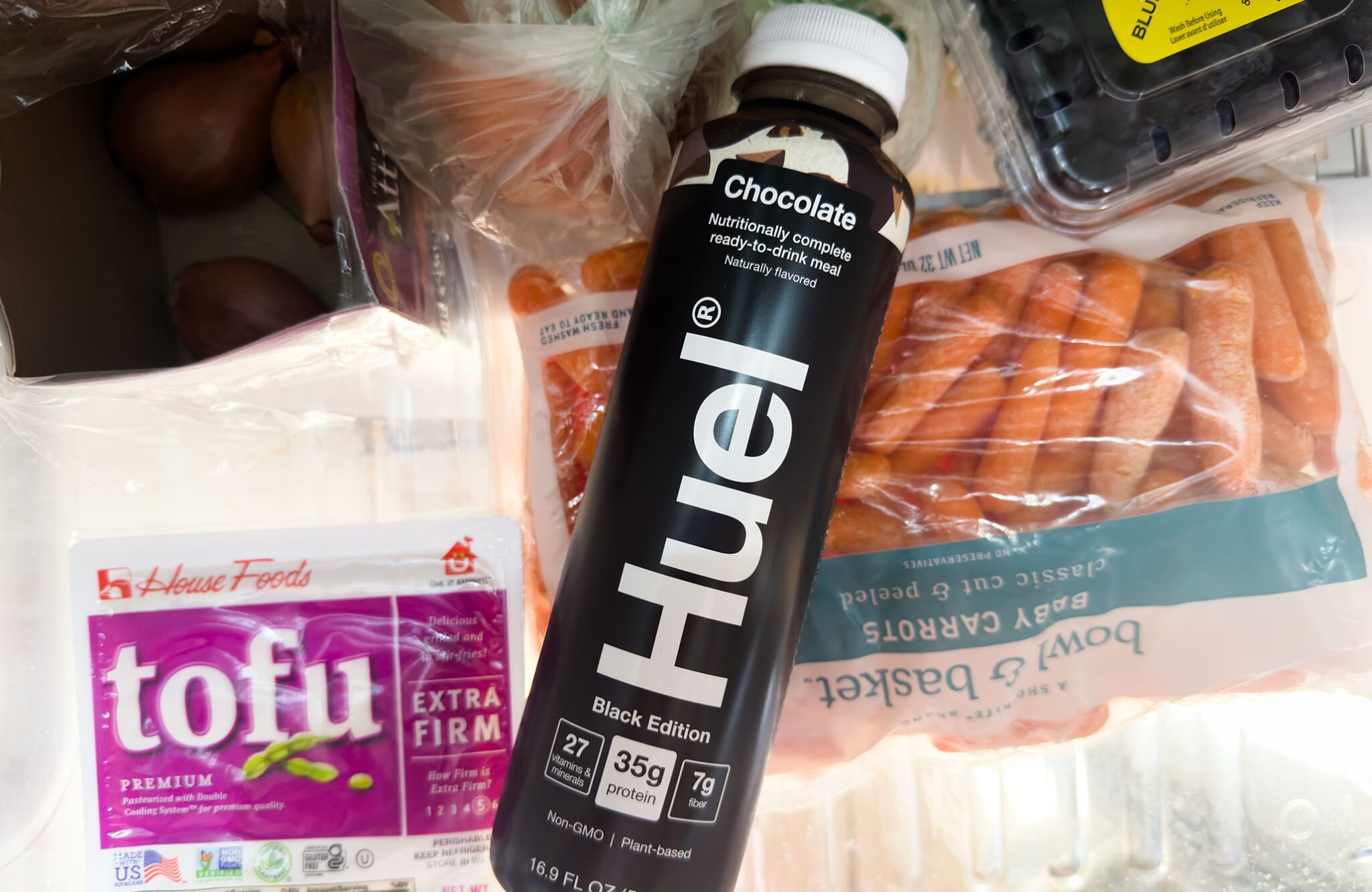
I tested Huel’s ready-to-drink Black Edition (chocolate) for research. At $18 for four bottles, it’s pricey. The taste? “Wet chalk” doesn’t do it justice. After two hours of sipping, I still had a quarter of the 500ml bottle left. While Huel claims it’s “ready to drink,” the experience feels more like a chore than a solution.
Conclusion: Is Huel Meal Replacement Right for You?
Huel’s meal replacement drinks offer convenience but come with caveats. While they may fill nutritional gaps, they’re not a substitute for whole foods. The science is mixed, and individual tolerance varies. If you’re considering Huel, start with small, occasional use and consult a healthcare provider. Have you tried Huel meal replacement? Share your thoughts in the comments below!
FAQs
1. Is Huel meal replacement suitable for everyone?
Not necessarily. People with digestive sensitivities or chronic conditions should consult a doctor before relying on meal replacements.
2. How does Huel compare to other meal replacement brands?
Huel emphasizes “nutritionally complete” formulas, while competitors like Soylent focus on calorie density. Both have pros and cons.
3. Can Huel replace meals entirely?
Huel advises against using it as the sole food source. A balanced diet with whole foods is ideal.
4. Are Huel’s products scientifically backed?
Some studies support its nutrient content, but long-term health effects remain unclear. Always check independent research.
5. What are the downsides of Huel meal replacement?
Potential issues include gastrointestinal discomfort, limited fiber diversity, and high cost compared to whole foods.








