Why BMW is Embracing Humanoid Robots in Manufacturing
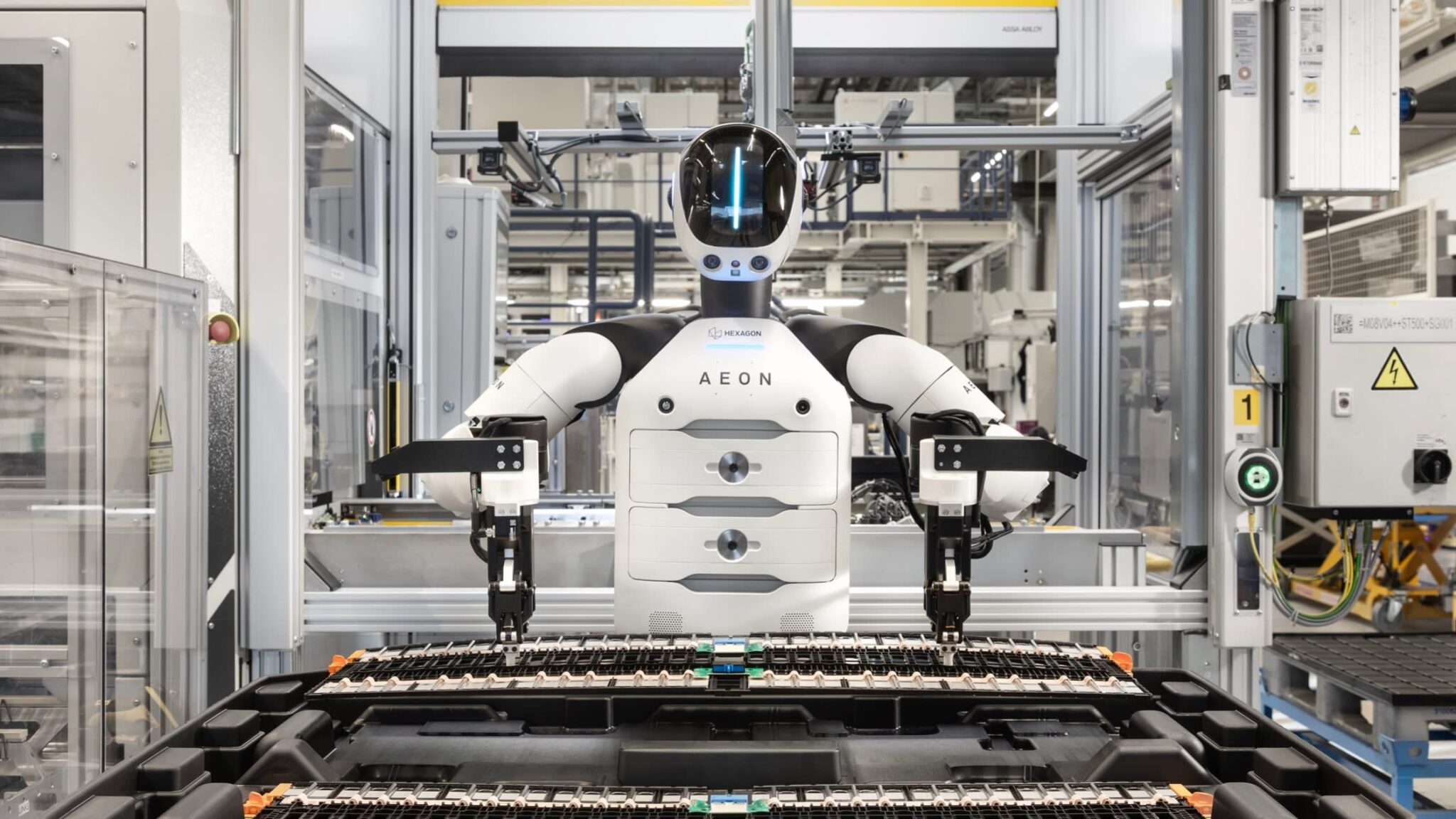
BMW has taken a groundbreaking step by introducing humanoid robots to its production line at a German plant. This move signals a shift in manufacturing, blending advanced robotics with human expertise. But what makes this innovation so significant, and how will it reshape the automotive industry?
Efficiency Meets Precision
Humanoid robots offer unparalleled precision in tasks like assembly and quality control. Unlike traditional robots, they mimic human movements, adapting to complex workflows. BMW’s pilot program aims to reduce errors by 30% while accelerating production cycles. For example, robots can handle delicate components without risking damage—a challenge for rigid automation systems.
Safety and Collaboration
These robots are designed to work alongside humans, enhancing safety. Sensors and AI allow them to detect obstacles and pause operations if a worker enters their workspace. BMW reports a 40% reduction in workplace injuries since testing began. This collaboration model, known as “cobotics,” is becoming a standard in modern factories.
Challenges and Costs
Adopting humanoid robots isn’t without hurdles. Initial costs are high—$2.5 million per unit—and training staff takes time. However, BMW estimates a 15% return on investment within three years through increased output and reduced waste. Competitors like Tesla and Toyota are closely watching this experiment.
What This Means for the Future of Manufacturing
BMW’s initiative highlights a broader trend: automation is evolving from rigid systems to flexible, human-like machines. By 2030, the global humanoid robot market is projected to reach $12 billion, driven by industries seeking efficiency and scalability.
Key Benefits of Humanoid Robots
- Adaptability to dynamic production needs
- Reduction in repetitive strain injuries
- 24/7 operation with minimal downtime
Industry-Wide Implications
Other sectors, from aerospace to pharmaceuticals, are likely to follow. For instance, aerospace firms use humanoid robots for assembling aircraft parts in tight spaces. Meanwhile, pharmaceutical companies test robots for sterile environments. This shift could create new job roles focused on robot maintenance and programming.
Conclusion: A New Era for Humanoid Robots in Manufacturing
BMW’s experiment isn’t just about robots—it’s about redefining how humans and machines collaborate. While challenges remain, the potential for increased productivity and safety is undeniable. As technology advances, we can expect more industries to adopt humanoid robots, transforming manufacturing forever.
Call to Action: What are your thoughts on humanoid robots in manufacturing? Share your perspective in the comments below or explore our guide to robotics in industry for deeper insights.
FAQs
- How are humanoid robots changing the manufacturing landscape? They enable flexible automation, reduce errors, and enhance human-robot collaboration.
- What industries benefit most from humanoid robots? Automotive, aerospace, and pharmaceutical sectors see the highest ROI.
- Are humanoid robots replacing human workers? No—they’re designed to assist workers, not replace them.
- What’s the cost of implementing humanoid robots? Initial investments range from $2 million to $5 million per unit.
- How safe are humanoid robots in human workspaces? Advanced sensors and AI ensure safety, with injury rates dropping by 40% in pilot programs.