Indo-French Fighter Program: A New Era for India’s Air Force?
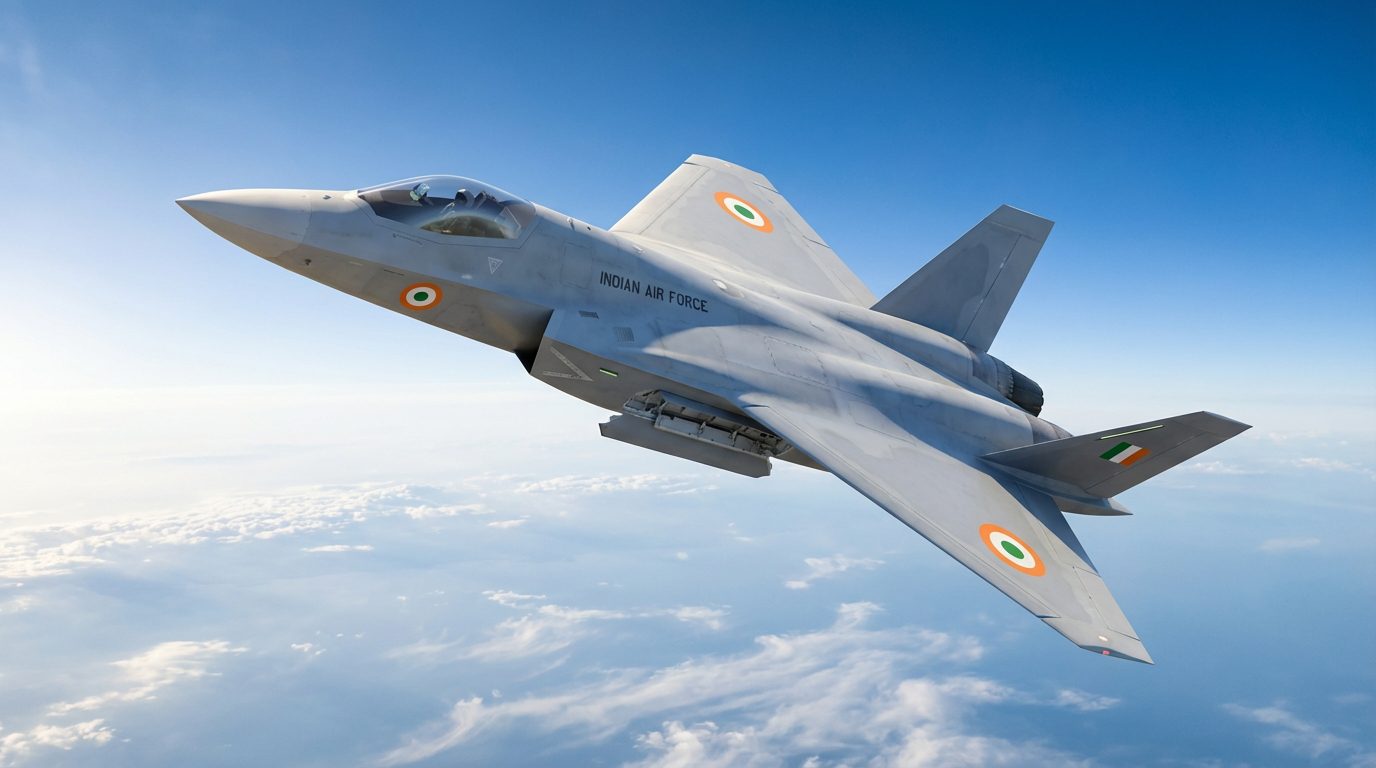
In April 2018, Quwa predicted a bold future for India’s airpower: the Franco-German Future Combat Air System (FCAS) would become the cornerstone of New Delhi’s sixth-generation fighter ambitions. Eight years later, that forecast is unraveling. The FCAS, once hailed as a revolutionary partnership, is collapsing under industrial disputes. Yet, India’s Defense Ministry has already signaled its intent to join a European sixth-gen consortium. The question now isn’t if India will pursue a European partner—but how France will adapt without Germany.
Why FCAS Was a Strategic Fit in 2018
Quwa’s 2018 analysis highlighted six compelling reasons why FCAS could outpace alternatives like the U.S. F-35:
- Capability leap: FCAS aimed to surpass Rafale and Typhoon performance, justifying its cost.
- Scale-driven economics: India’s procurement volume could stabilize the program amid European order declines.
- Strategic leverage: Dassault could bundle FCAS with Rafale sales to secure Indian contracts.
- Naval adaptation: A carrier variant could boost India’s maritime airpower while ensuring FCAS viability.
- Fiscal resilience: Indian funding could shield the program from European budget cuts.
- Global competitiveness: Indian industrial participation could lower costs for third-party markets.
The 2026 Reality: FCAS Collapses, India Steps In
Today, all six dynamics remain relevant—but with a twist. France, now the sole European leader after Germany’s withdrawal, faces a critical choice: accept India’s demand for co-development or risk losing the partnership entirely. India’s Defense Ministry has already stated its intent to join a European consortium “right away,” but the terms remain unclear.
France’s challenge is twofold. First, it must convince Indian officials that a standalone Indo-French program can match the scale and innovation of FCAS. Second, it must balance New Delhi’s desire for deep technical collaboration with Paris’s need to maintain strategic autonomy. The stakes are high: India’s $110-billion fighter market could reshape global aerospace dynamics.
What’s Next for the Indo-French Fighter Program?
Three scenarios are emerging:
- Co-development model: France and India jointly design a sixth-gen fighter, with India contributing 30–40% of the R&D cost.
- Licensed production: India assembles FCAS variants under French supervision, prioritizing short-term operational needs.
- Hybrid approach: A mix of co-development for long-term goals and licensed production for immediate fleet modernization.
Each path carries risks. Co-development requires massive investment and trust, while licensed production could leave India dependent on French supply chains. The hybrid model offers balance but demands precise execution.
Why This Matters for Global Aerospace
An Indo-French partnership would disrupt the U.S.-China-Russia triad in fighter markets. It could also create a new standard for international defense collaboration, blending European technology with Indian industrial scale. For France, this is a chance to reassert its global defense influence. For India, it’s an opportunity to leapfrog into sixth-gen capabilities without relying on U.S. or Russian platforms.
Conclusion: A Partnership in the Making
The collapse of FCAS has opened a window for India and France to redefine their defense relationship. While challenges remain, the strategic logic of 2018 still holds: a European sixth-gen fighter, tailored to Indian needs, could become the backbone of Asia’s next-generation airpower. The question is no longer if this partnership will happen—but how quickly it can deliver results.
Ready to dive deeper? Subscribe to Quwa Pro for exclusive insights on India’s defense procurement, industrial partnerships, and geopolitical implications.