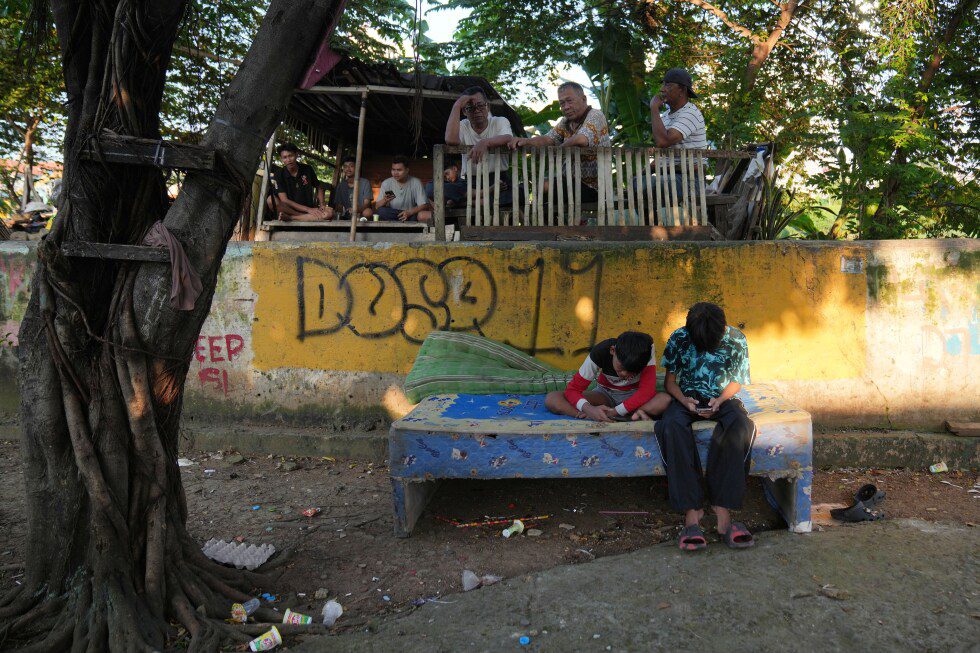
Indonesia Bans Under-16s from Digital Platforms to Combat Online Risks
What happens when a country decides to shield its youngest citizens from the digital world? Indonesia is taking a bold step by implementing a regulation that prohibits children under 16 from accessing digital platforms. This move aims to tackle growing concerns about cyberbullying, online scams, and exposure to inappropriate content. But how will this policy reshape Indonesia’s tech landscape—and what does it mean for global digital safety efforts?
Why Indonesia Implemented the Under-16 Digital Ban
Indonesia’s government cites alarming trends in youth online behavior as the driving force behind this regulation. According to recent reports, over 70% of Indonesian teens use social media daily, with many encountering cyberbullying or accidental exposure to harmful content. The new rule targets platforms that fail to enforce age verification, holding them accountable for protecting minors. By restricting access, authorities hope to reduce addiction and safeguard vulnerable users from predators.
Key Risks Addressed by the Regulation
- Cyberbullying: 40% of Indonesian teens report experiencing online harassment.
- Online Scams: Fraudulent accounts targeting minors have increased by 30% in the past year.
- Exposure to Inappropriate Content: 25% of under-16s encounter explicit material monthly.
How the Regulation Works in Practice
Under the new law, digital platforms must implement strict age verification systems. Failure to comply could result in fines or operational restrictions. Parents and guardians are also encouraged to monitor children’s online activity, with educational campaigns promoting digital literacy. The policy excludes educational tools and platforms used for schoolwork, ensuring students aren’t hindered academically.
Challenges and Criticisms
While the regulation has widespread public support, critics argue it may not fully address the root causes of online risks. Some experts suggest that better parental controls and platform accountability could achieve similar goals without limiting access. Others worry about enforcement gaps, as tech-savvy teens might bypass restrictions using proxies or fake accounts.
Global Context: A Trend in Youth Digital Safety
Indonesia joins countries like the UK and Australia in prioritizing youth digital safety. The UK’s Online Safety Act, for example, mandates age verification for social media platforms. Meanwhile, Australia’s eSafety Commissioner works directly with schools to teach safe online behavior. These global efforts highlight a growing consensus: protecting young users requires collaboration between governments, tech companies, and families.
What’s Next for Indonesia’s Digital Policy?
The success of this regulation will depend on enforcement and adaptability. As technology evolves, so do the risks. Indonesia’s government plans to review the policy annually, incorporating feedback from educators, parents, and tech experts. For now, the ban signals a proactive stance on youth safety—one that could inspire similar measures worldwide.
Takeaway: Digital safety isn’t just about rules; it’s about creating a culture of responsibility. Share your thoughts: How can we balance online freedom with protection for young users?