
Infrasound Music: Earth’s Hidden Symphony Revealed
Imagine hearing the Earth’s secret soundtrack—sounds so deep and distant they’ve never been audible to humans. Artist Brian House has turned this impossible dream into reality. By capturing imperceptible infrasounds from glaciers, wildfires, and storms, he’s created a haunting album that translates the planet’s hidden vibrations into music. This is infrasound music, a genre that bridges art and science to reveal Earth’s unseen rhythms.
What Is Infrasound Music?
Infrasound refers to sound waves with frequencies below 20 hertz—too low for human hearing. These vibrations, generated by natural events like calving glaciers and surging storms, travel vast distances as invisible waves. For decades, scientists used barometers and specialized sensors to detect these signals, from monitoring volcanic eruptions to tracking nuclear tests. Now, artist Brian House has repurposed this technology to create a 24-minute album that condenses a day’s worth of Earth’s infrasound into an eerie, pulsing symphony.
How Infrasound Music Is Created
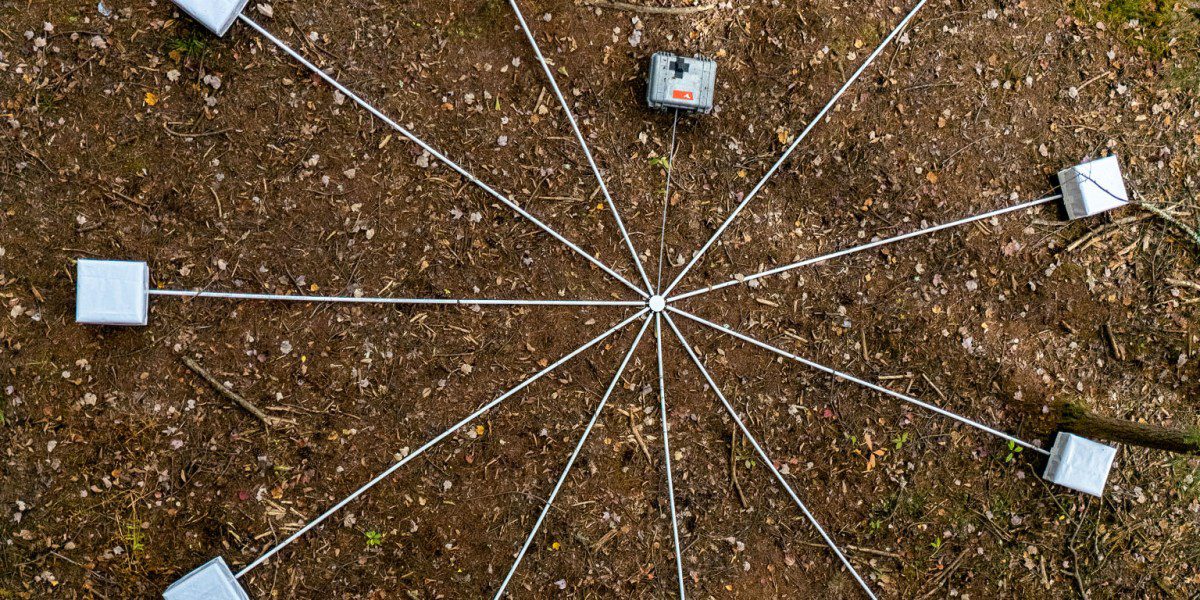
House’s process begins with custom-built “macrophones”—tubes that funnel air into barometers capable of 100 readings per second. Installed in the quiet woods of western Massachusetts, these devices capture the planet’s imperceptible rumbles. The raw data is then sped up 60 times, transforming inaudible vibrations into a haunting blend of low-frequency groans, ghostly whispers, and sudden bursts of energy.
- Macrophones: Funnel air into barometers to detect infrasound.
- Speed manipulation: Recordings are accelerated to make sounds audible.
- Sound sources: Glaciers, wildfires, storms, and ocean currents.
The Science Behind the Sounds
While House’s work is artistic, it’s rooted in scientific collaboration. Volcanologists like Leif Karlstrom, who studies Hawaii’s Kilauea volcano using infrasound, helped refine House’s setup. “He’s highlighting interesting phenomena,” Karlstrom notes, though he admits pinpointing exact sources from the sounds remains a mystery. For example, a high-pitched whistle might be a train, while a deep rumble could signal a distant thunderstorm or shifting ocean currents.
Historically, infrasound detection has been critical for monitoring global events. The 1883 eruption of Krakatoa was detected via barometers in London, and today’s global infrasound network helps enforce the nuclear test ban treaty. House’s project repurposes this infrastructure to reveal the planet’s hidden acoustic world.
Why Infrasound Music Matters
More than an artistic experiment, infrasound music challenges our perception of the natural world. By making Earth’s imperceptible vibrations audible, House invites listeners to connect with a deeper, more mysterious reality. “It’s about the mystery of it,” he says. “I hope that’s a little bit unsettling.”
This genre also underscores the fragility of our planet. The sounds of glaciers calving and wildfires crackling serve as stark reminders of climate change’s impact. Meanwhile, the album’s eerie beauty highlights how science and art can collaborate to reveal truths we might otherwise miss.
Listen to the Planet’s Secret Sounds
House’s Everyday Infrasound in an Uncertain World is more than an album—it’s a portal to Earth’s hidden rhythms. The 24-minute track alternates between low, guttural vibrations and ethereal whispers, creating an ambient soundscape that feels both alien and familiar. For those willing to listen, it’s a chance to hear the planet’s heartbeat in a way never before possible.
Call to Action
Explore Brian House’s work and learn more about the science of infrasound. Whether you’re an artist, scientist, or simply curious, infrasound music offers a unique lens into the world we inhabit. Dive deeper into this hidden soundscape and discover what the Earth has been trying to tell us all along.
FAQs
What is infrasound music and how is it made?
Infrasound music uses specialized sensors to capture low-frequency sounds from natural events like glaciers and storms. These inaudible vibrations are then sped up to create audible compositions.
Can humans hear infrasound naturally?
No. Infrasound has frequencies below 20 hertz, which are too low for human hearing. Specialized equipment is required to detect and amplify these sounds.
Why is infrasound important for science?
Infrasound detection helps monitor volcanic eruptions, nuclear tests, and climate-related events. It provides critical data for understanding global phenomena.
What tools does Brian House use to create his music?
House uses “macrophones”—tubes that funnel air into barometers—to capture infrasound. The data is then processed and accelerated for human listening.
How does infrasound music connect to climate change?
The album highlights sounds from glaciers and wildfires, offering an auditory representation of environmental changes and their global impact.








