
Inside Operation Epic Fury: US-Iran-Israel Military Strategy Explained
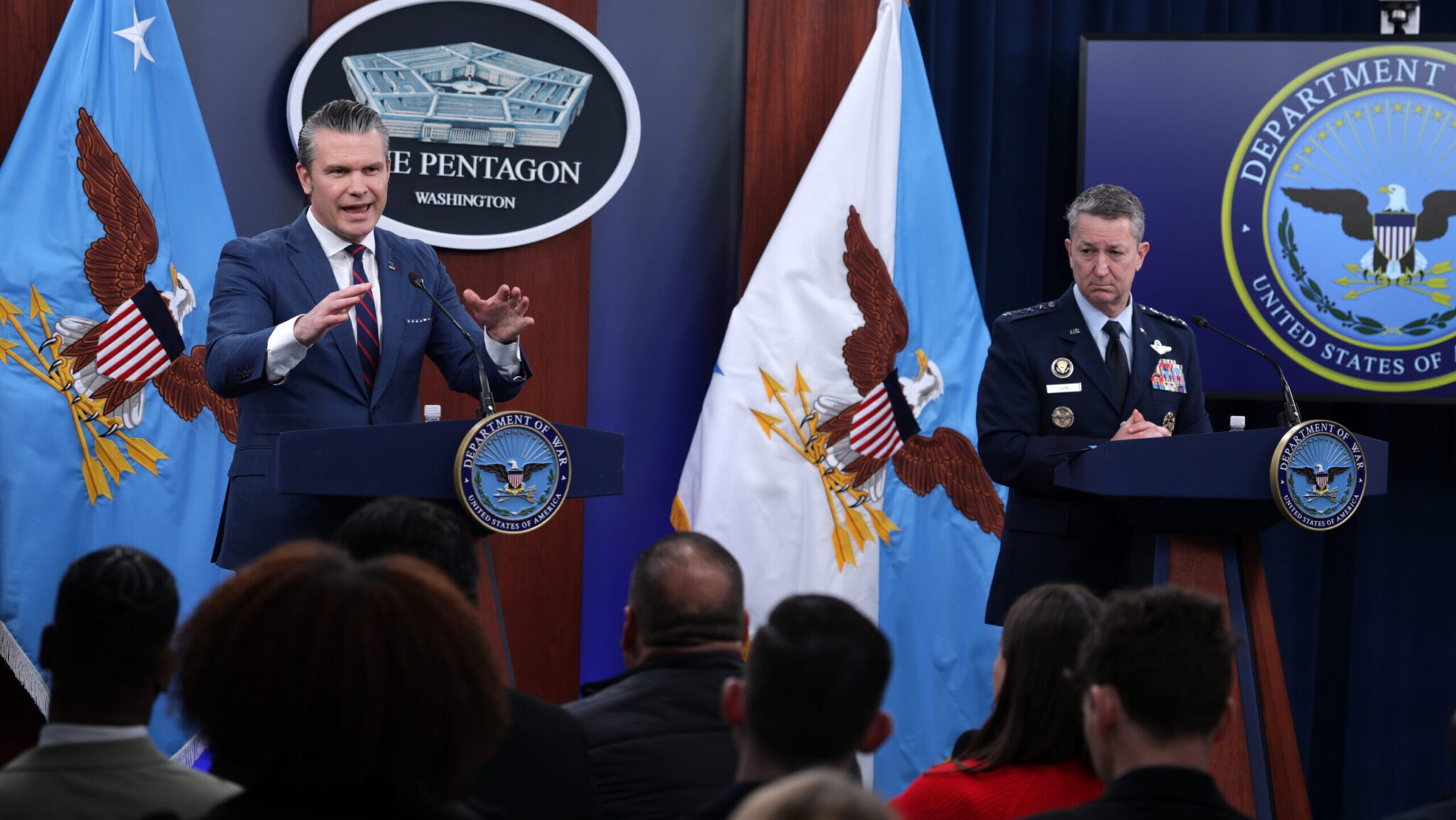
On March 2, 2026, the United States and Israel launched Operation Epic Fury, a large-scale military campaign against Iran. Pentagon officials, including Secretary of Defense Pete Hegseth and Chairman of the Joint Chiefs of Staff General Dan Caine, outlined the operation’s goals but remained vague on tactical details. This article breaks down the strategy, timeline, and implications of this high-stakes conflict.
Key Objectives of Operation Epic Fury
According to Gen. Caine, the primary mission is to “protect and defend ourselves” while preventing Iran from projecting power beyond its borders. Secretary Hegseth emphasized a secondary but critical goal: stopping Iran’s nuclear ambitions. He warned that Iran’s missile and drone programs serve as a “conventional shield” for its nuclear blackmail tactics.
Strategic Priorities
- Disrupt Iranian command and control infrastructure
- Destroy ballistic missile sites and naval forces
- Neutralize intelligence networks
- Coordinate cyber and space operations to blind Iran’s defenses
Timeline and Operational Challenges
President Donald Trump initially projected a 4-5 week timeline, but Pentagon leaders offered conflicting statements. Hegseth dismissed the timeline as a “gotcha question,” while Trump later claimed operations were “substantially ahead” of schedule. This ambiguity has raised concerns about mission duration and resource allocation.
Initial Military Tactics
The operation began with a coordinated cyber and space assault by US CYBERCOM and SPACECOM. At 1:15 AM EST on Saturday, over 100 aircraft launched a synchronized strike wave. The US Navy fired Tomahawk missiles at Iranian naval forces, while ground units targeted command centers and missile sites. Pentagon estimates suggest over 1,000 targets have been struck in 57 hours.
Casualties and Friendly Fire Incident
The operation has not been without risks. Three US F-15E Strike Eagles were shot down in Kuwait due to a friendly fire incident, though all crews survived. Caine confirmed four US service members have died, underscoring the human cost of the campaign.
Future of Operation Epic Fury
While the Pentagon remains tight-lipped about troop numbers and ground operations, Caine hinted at sustained combat power. The focus remains on degrading Iran’s military capabilities while avoiding direct ground engagements. However, Hegseth left the door open for future boots-on-the-ground scenarios.
FAQs About Operation Epic Fury
1. What is the timeline for Operation Epic Fury?
President Trump initially projected 4-5 weeks, but Pentagon officials have since avoided specific deadlines. The mission will continue until objectives are met.
2. How many US troops are involved?
Exact numbers remain classified, but Caine confirmed “tactical aviation” and carrier strike groups are active in the region.
3. What role does cyber warfare play?
CYBERCOM and SPACECOM are disrupting Iran’s communications and sensor networks, blinding its ability to respond effectively.
4. Are there plans for ground operations?
Currently, no US troops are on the ground in Iran. Hegseth stated this could change but provided no specifics.
5. How is Israel involved?
Israel’s “trigger event” on Friday prompted the US to launch strikes. The two nations are coordinating intelligence and military actions.
Stay informed about the evolving situation in the Middle East. Share your thoughts in the comments or follow our updates for real-time analysis.








