Instagram’s User Engagement Metrics Revealed in Lawsuit
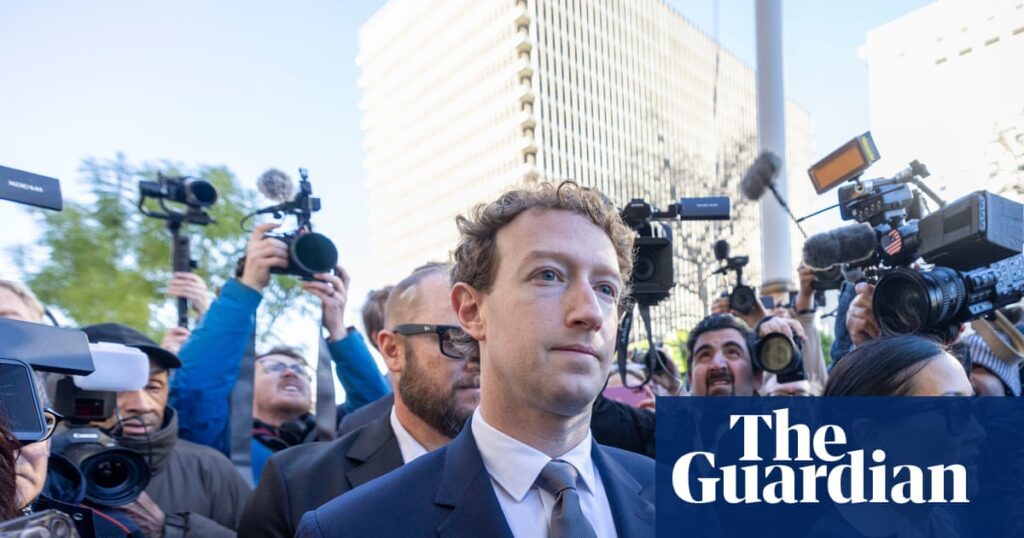
During a recent court case in Los Angeles County Superior Court, documents surfaced revealing how Instagram tracks user engagement through time-spent metrics. These insights, flagged by executives as “milestones,” show a steady rise in daily usage from 40 minutes in 2023 to 46 minutes in 2026. The data, presented during CEO Mark Zuckerberg’s rare public testimony, has become central to a lawsuit examining platform accountability.
Why Time-Spent Metrics Matter
Instagram’s focus on user engagement metrics isn’t just about numbers—it’s a strategic tool to measure app performance. By tracking daily usage, the platform aims to optimize features that keep users scrolling. However, critics argue these metrics prioritize growth over user well-being, raising questions about ethical design practices.
Key Data Points from the Lawsuit
- 2023: 40 minutes/day average usage
- 2026: 46 minutes/day average usage
- Methodology: Internal milestones tracked year-over-year
Implications for Users and Regulators
The lawsuit highlights tensions between platform growth and user privacy. While Instagram defends its metrics as a benchmark for innovation, regulators are scrutinizing how such data influences content algorithms. For users, this case underscores the importance of understanding how their time online is measured—and why it matters.
What This Means for the Future
As social media platforms evolve, transparency around engagement metrics will likely become a focal point. The outcome of this case could set precedents for how companies balance user experience with ethical responsibility. For now, the data serves as a reminder: every scroll, swipe, and click contributes to a larger narrative about digital behavior.
Call to Action: Stay informed about how platforms track your activity. Consider adjusting privacy settings or using tools to monitor your own screen time.
FAQs
What are Instagram’s user engagement metrics?
Instagram tracks daily time spent on the app, using this data to evaluate growth and optimize features. Recent court documents show usage rose from 40 to 46 minutes per day between 2023 and 2026.
How does Instagram use time-spent metrics?
Time-spent metrics help Instagram identify trends in user behavior, refine algorithms, and prioritize features that increase retention. Executives reportedly flagged these metrics as key performance indicators.
Why is this lawsuit significant?
The case examines whether Instagram’s focus on engagement metrics violates user privacy or promotes addictive design. It marks one of Mark Zuckerberg’s few public appearances in legal proceedings.
Can users reduce their screen time on Instagram?
Yes. Instagram offers tools like Screen Time and Focus Mode to help users manage their usage. Third-party apps can also track and limit daily app activity.
What’s next for social media regulation?
Regulators are increasingly demanding transparency from platforms. This case could influence future laws requiring clearer disclosures about data collection and engagement strategies.