
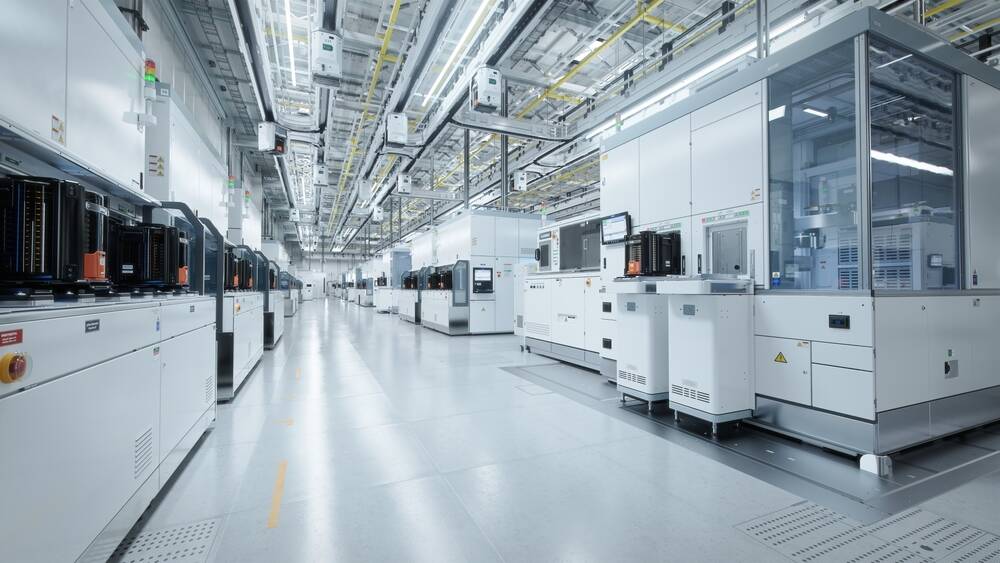
Intel Foundry Division Sees Billions in Advanced Packaging Deals
Meanwhile, Intel’s 18A process tech could see external deployment after all. Intel’s Foundry division is near to sealing a deal for its advanced packaging technology that would contribute billions of dollars a year to the struggling chipmaker, CFO David Zinsner said on Wednesday.
Advanced Packaging Technology
Advanced packaging has become a focal point of semiconductor manufacturing amid the AI boom as accelerators have grown more complex, meaning many GPUs are composed of multiple compute and memory dies that must be fused together. Intel has invested heavily in its EMIB and Foveros 2.5D and 3D packaging tech to support multi-die processors like its Xeon CPUs.
For example, the company has already used it to meld silicon manufactured in-house with chips made by TSMC. This is likely welcome news for shareholders, who’ve watched in dismay as Intel’s Foundry Division has cost the company billions each quarter.
18A Process Tech
Alongside advanced packaging demand, Intel CEO Lip-Bu Tan appears to have changed his tune regarding the external adoption of its 18A process tech. The chief executive, who celebrates his first year in the role later this month, had previously considered 18A for Intel’s own use only.
However, according to Zinsner, Tan’s opinion of 18A changed over the past year. The first products based on Intel’s 18A process tech, codenamed Panther Lake, began shipping in PCs and notebooks earlier this year, and it seems to have caught the attention of potential customers.
Additionally, Intel 18A-P is an upgraded version of 18A that the company has suggested will deliver eight percent higher performance per watt, which compares favorably with TSMC’s competing 2nm process.
Finally, despite offering good news for Foundry’s fortunes, Zinsner said the biz is still at least a year away from breaking even. The CFO said one thing that could derail that forecast would be higher-than-expected external demand, as that would mean Intel needs to spend more to build additional manufacturing capacity.
Conclusion
In conclusion, Intel’s Foundry division is seeing significant interest in its advanced packaging technology, with potential deals worth billions of dollars per year. Meanwhile, the company’s 18A process tech could see external deployment after all, which could further boost the division’s fortunes.
Therefore, it will be interesting to see how these developments play out in the coming months and years. For now, it seems that Intel’s Foundry division is on the right track, with significant potential for growth and revenue.
Call to action: Stay tuned for more updates on Intel’s Foundry division and its advanced packaging technology.
Frequently Asked Questions
- What is advanced packaging technology?
- How does Intel’s 18A process tech compare to TSMC’s competing 2nm process?
- What are the potential benefits of Intel’s Foundry division sealing deals for its advanced packaging technology?
- How does Intel’s Foundry division plan to achieve break-even operating margins by 2027?
- What are the potential risks and challenges facing Intel’s Foundry division in the coming year?








