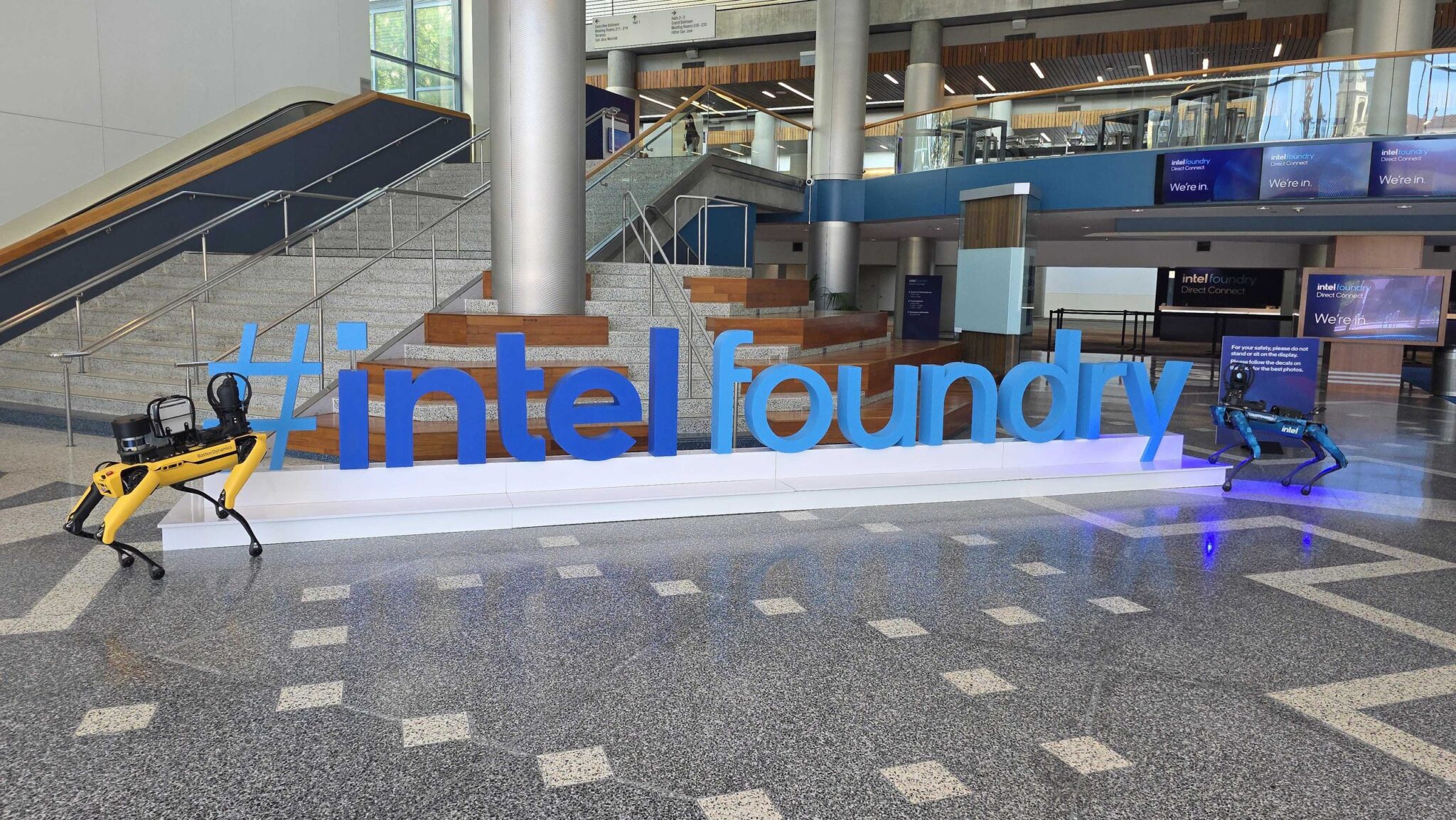
Intel Foundry Leadership Change: New Era for Semiconductor Manufacturing
Leadership transitions in the semiconductor industry often signal strategic shifts. The recent Intel Foundry leadership change marks a pivotal moment as Naga Chandrasekaran steps into the role of General Manager, replacing Kevin O’Buckley, who has joined Qualcomm. This move reshapes Intel Foundry’s focus on advanced manufacturing and global operations.
Understanding the Leadership Shift
Kevin O’Buckley, who led Intel Foundry for two years, has departed to join Qualcomm as Executive Vice President of Global Operations and Supply Chain. His role at Qualcomm will oversee worldwide chip production, including manufacturing engineering and vendor relationships. Intel expressed gratitude for O’Buckley’s contributions, emphasizing his role in expanding Foundry Services.
Naga Chandrasekaran, now at the helm, brings a dual mandate: overseeing both the development of cutting-edge process technologies and managing Intel’s global manufacturing network. His appointment unifies front-end and back-end operations under one leader, a first for Intel Foundry.
Naga Chandrasekaran’s New Role
Strategic Responsibilities
- Leading the development of next-generation silicon logic nodes and advanced packaging solutions.
- Overseeing front-end wafer fabrication and back-end assembly operations globally.
- Managing customer engagement, supply chain, and quality programs.
Background and Expertise
Chandrasekaran previously directed Intel Foundry’s front-end process technology development since mid-2024. His experience spans both technological innovation and operational execution, making him a strategic fit for Intel’s goals.
Kevin O’Buckley’s Move to Qualcomm
O’Buckley’s transition to Qualcomm highlights the competitive nature of semiconductor manufacturing. At Qualcomm, he will lead global chip production, a role critical to scaling the company’s designs into physical silicon. His move follows a seven-year tenure at IBM and GlobalFoundries, underscoring his deep industry expertise.
Implications for Intel Foundry
Chandrasekaran’s leadership aims to streamline Intel Foundry’s operations, aligning technology development with manufacturing execution. This shift could accelerate Intel’s ability to compete with TSMC and Samsung in advanced node production. However, challenges remain, including maintaining customer trust and navigating the energy demands of AI-driven data centers.
Conclusion: What’s Next?
The Intel Foundry leadership change reflects a strategic pivot toward integrated technology and operations. As Chandrasekaran takes charge, the industry will watch closely for progress in Intel’s 18A node and packaging innovations. Stay tuned for updates on how this transition impacts semiconductor manufacturing and global tech partnerships.
FAQs
- What does the Intel Foundry leadership change mean for the semiconductor industry?
- It signals a unified approach to technology development and manufacturing, potentially accelerating Intel’s ability to compete in advanced node production.
- Who is Naga Chandrasekaran?
- He is Intel’s new General Manager of Foundry Services, responsible for both process technology development and global manufacturing operations.
- Why did Kevin O’Buckley leave Intel Foundry?
- O’Buckley joined Qualcomm to lead its global operations and supply chain, focusing on chip production and vendor relationships.
- How will this leadership change affect Intel’s customers?
- Chandrasekaran’s dual mandate aims to improve coordination between technology development and manufacturing, potentially enhancing delivery timelines and product quality.
- What challenges does Intel Foundry face under new leadership?
- Key challenges include scaling advanced nodes, managing energy demands for AI data centers, and maintaining competitive pricing in a crowded market.