
How Iowa County Residents Are Fighting for Stronger Data Center Regulations
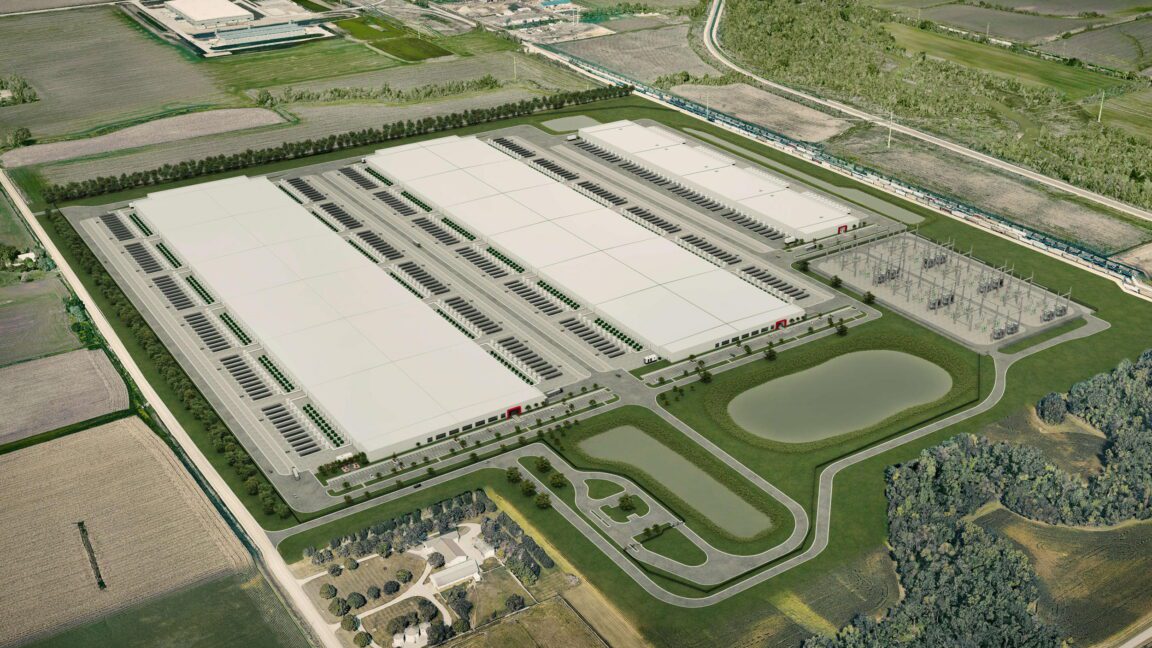
When Google announced plans for a new data center campus in Palo, Iowa, local residents weren’t just worried about construction noise. They feared the massive water demands of hyperscale data centers could drain the Cedar River – a concern amplified by memories of the 2008 flood that nearly wiped out the community.
What Makes Iowa’s Data Center Zoning Rules Unique?
Linn County has adopted what experts call the most comprehensive data center zoning ordinance in the US. Key requirements include:
- Water use agreements with the county
- 1,000-foot setbacks from residential areas
- Infrastructure damage compensation
- Community betterment funds
“We’re trying to create the most protective framework possible,” said Linn County Supervisor Kirsten Running-Marquardt. Yet many residents argue these measures still fall short.
Community Concerns Remain Unaddressed
At a recent public meeting, over 100 residents voiced worries about:
- Water depletion from cooling systems
- Light pollution disrupting wildlife
- Low-frequency noise affecting livestock
- Enforcement challenges
Dorothy Landt of Palo called for a complete moratorium: “Why has Iowa become a dumping ground for obsolete tech?”
Lessons from Virginia’s Data Center Boom
Linn County planners studied Loudoun County, Virginia – home to 198 data centers. There, communities initially treated data centers as standard warehouses until infrastructure strains became evident.
“These are generational infrastructure impacts,” said Planning Director Charlie Nichols. “Old zoning frameworks can’t handle them.” Now Virginia is creating data center-specific zoning rules – a path Iowa might follow.
What’s Next for Iowa?
Google hasn’t submitted formal plans for its Palo campus yet. But with another hyperscale company showing interest, the debate will continue. Sue Biederman of Cedar Rapids sums up the community’s stance: “I want to know all the facts before we commit to this.”
Why This Matters for Rural Communities
Data centers consume 200 million gallons of water daily in some regions. For small towns like Palo, where two restaurants and a gas station define the main street, these projects represent both economic opportunity and existential risk.
The Linn County case highlights a national dilemma: How can communities balance technological progress with environmental protection and quality of life?
Take Action: Share Your Perspective
Have you experienced data center development in your community? Share your story in the comments below. Let’s continue this important conversation about responsible tech infrastructure growth.
FAQs About Iowa’s Data Center Regulations
1. How does Iowa’s data center zoning compare to other states?
Iowa’s 1,000-foot residential setbacks and mandatory water studies exceed most state requirements, but some experts argue more stringent limits are needed.
2. What water conservation measures do data centers use?
Many employ closed-loop cooling systems and water recycling, but rural areas often lack the infrastructure for these solutions.
3. How much energy do Iowa data centers consume?
Google’s Palo campus could use as much electricity as 50,000 homes annually, raising concerns about local grid capacity.
4. What’s the economic impact of data centers on rural Iowa?
While they bring jobs and tax revenue, critics warn about long-term environmental costs and resource depletion.
5. Can communities effectively regulate hyperscale data centers?
Virginia’s experience shows that proactive, data-specific zoning is essential to address these facilities’ unique demands.








