
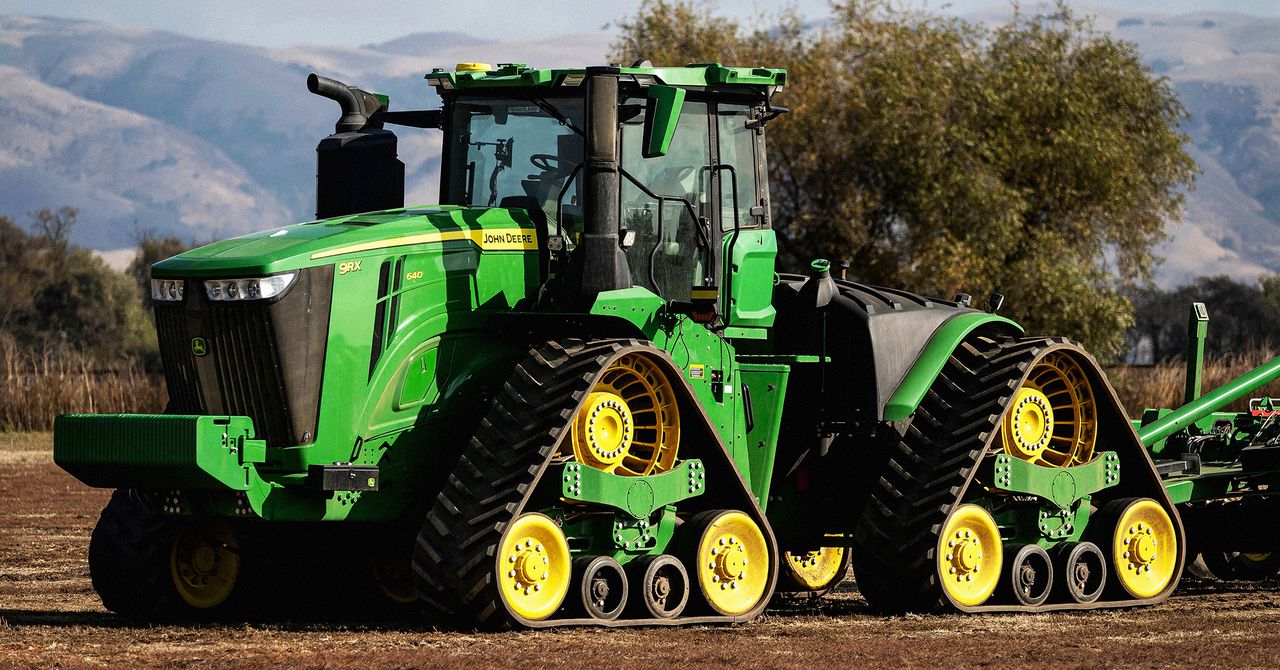
The Right-to-Repair Movement Gains Momentum in Iowa
The state of Iowa is at the forefront of the right-to-repair movement, with a new bill that aims to give farmers the freedom to repair their own agricultural equipment. The bill, which has been renamed to House File 2709, is set to be voted on again and has the potential to make a significant impact on the farming industry.
Meanwhile, tractor manufacturer John Deere is opposing the bill, citing concerns about government interference and the potential for unauthorized repairs. However, repair advocates argue that the bill is necessary to ensure that farmers have access to the tools and resources they need to keep their equipment running.
The Importance of Right-to-Repair for Farmers
Farmers rely heavily on their equipment to plant, cultivate, and harvest crops. When equipment breaks down, it can cause delays and lost productivity, which can have a significant impact on the farmer’s livelihood. Therefore, it is essential that farmers have the ability to repair their equipment quickly and efficiently.
Additionally, the current system, which requires farmers to seek manufacturer approval for repairs, can be time-consuming and costly. For example, a farmer may need to wait for a dealer representative to arrive on site, which can take weeks. This can result in missed opportunities to harvest crops and lost revenue.
The Iowa Bill: What It Covers and What It Means for Farmers
The Iowa bill defines the types of agricultural equipment that it covers, including tractors, trailers, combines, sprayers, balers, and other equipment used to cultivate and harvest crops. It also requires manufacturers to provide owners with data, such as manuals and access to embedded operating software, without charging for it or requiring authorization for internet access.
Furthermore, the bill limits the use of digital locks, which are software restrictions that prevent accessing features without manufacturer approval. This means that farmers will have more control over their equipment and will be able to make repairs without needing to seek permission from the manufacturer.
John Deere’s Opposition to the Bill
John Deere is the most prominent opponent of the Iowa bill, citing concerns about government interference and the potential for unauthorized repairs. The company has a long history of opposing repair efforts and has been criticized by repair advocates for its restrictive policies.
However, repair advocates argue that John Deere’s concerns are unfounded and that the bill is necessary to ensure that farmers have access to the tools and resources they need to keep their equipment running. For instance, Elizabeth Chamberlain, director of sustainability for the right-to-repair advocate arm of iFixit, says that the bill is not about government interference, but about giving farmers the freedom to repair their own equipment.
The Impact of the Bill on the Farming Industry
The Iowa bill has the potential to make a significant impact on the farming industry, particularly for farmers who rely heavily on their equipment to make a living. If the bill passes, it will give farmers more control over their equipment and will allow them to make repairs quickly and efficiently.
Additionally, the bill could set a precedent for other states to follow, which could lead to a shift in the way that manufacturers approach repair and maintenance. For example, other manufacturers may begin to offer more self-repair options and resources to farmers, which could lead to increased productivity and efficiency in the farming industry.
Conclusion
In conclusion, the Iowa right-to-repair bill is a significant step forward for farmers and the farming industry. The bill has the potential to give farmers more control over their equipment and will allow them to make repairs quickly and efficiently.
Therefore, it is essential that the bill passes and that manufacturers like John Deere begin to offer more self-repair options and resources to farmers. By doing so, we can ensure that farmers have the tools and resources they need to succeed and that the farming industry continues to thrive.
Frequently Asked Questions
Q: What is the Iowa right-to-repair bill?
A: The Iowa right-to-repair bill is a piece of legislation that aims to give farmers the freedom to repair their own agricultural equipment. The bill requires manufacturers to provide owners with data, such as manuals and access to embedded operating software, without charging for it or requiring authorization for internet access.
Q: Why is John Deere opposing the bill?
A: John Deere is opposing the bill because it believes that it will lead to government interference and the potential for unauthorized repairs. However, repair advocates argue that the bill is necessary to ensure that farmers have access to the tools and resources they need to keep their equipment running.
Q: What types of equipment does the bill cover?
A: The bill covers a range of agricultural equipment, including tractors, trailers, combines, sprayers, balers, and other equipment used to cultivate and harvest crops.
Q: How will the bill impact the farming industry?
A: The bill has the potential to make a significant impact on the farming industry, particularly for farmers who rely heavily on their equipment to make a living. If the bill passes, it will give farmers more control over their equipment and will allow them to make repairs quickly and efficiently.
Q: What is the current status of the bill?
A: The bill has been renamed to House File 2709 and is set to be voted on again. If it passes, it will go through the Iowa House and Senate before the Iowa Legislature adjourns on April 21.








