Introduction to the Crisis
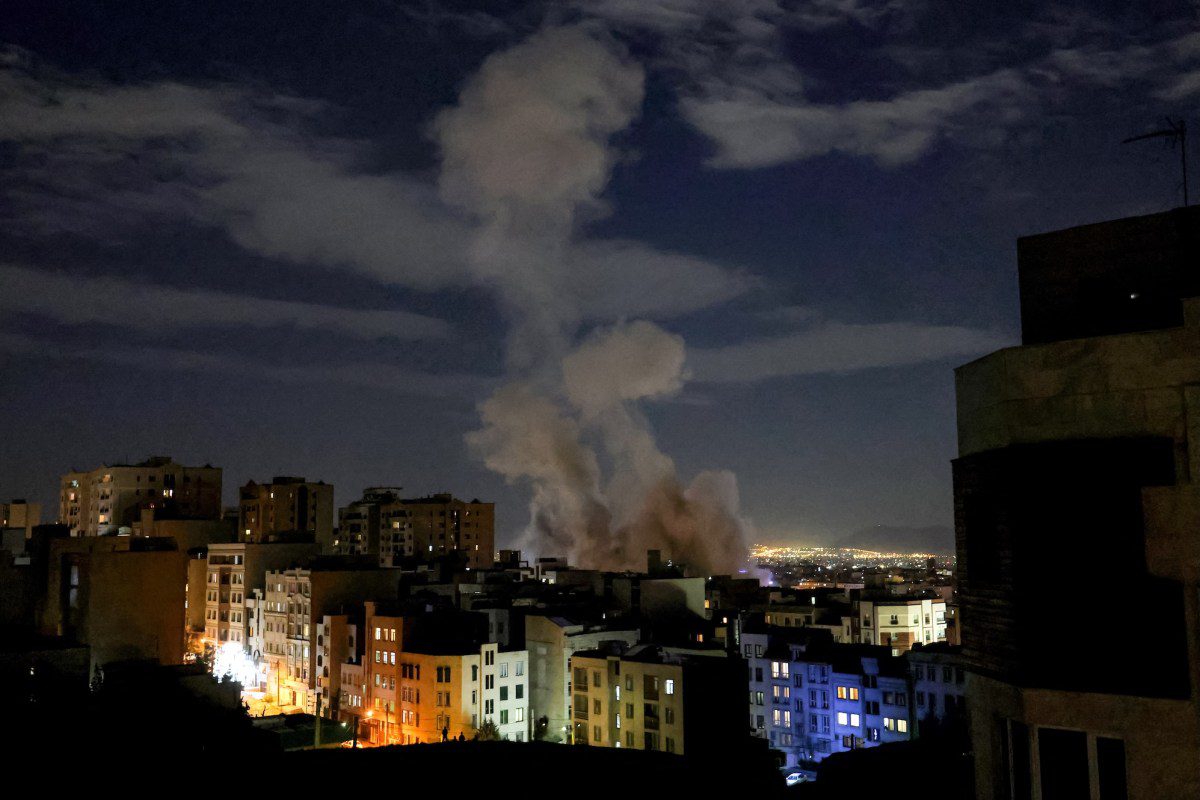
The world witnessed a significant escalation of tensions as Iran faced a series of airstrikes led by the U.S. and Israel. These attacks resulted in the loss of Iran’s supreme leader, Ali Hosseini Khamenei, and other top leadership figures.
Meanwhile, the country was also dealing with the aftermath of mass protests that led to thousands of casualties and the longest internet shutdown in its history. However, the recent airstrikes have introduced a new layer of complexity to the situation.
Causes and Consequences
The airstrikes came after failed negotiations between Tehran and Washington. Additionally, the country was hit by cyberattacks, one of which targeted a popular phone app, flooding it with notifications during an ongoing internet outage.
For example, the impact of these cyberattacks was felt across the country, with many Iranians struggling to access basic services. Therefore, the situation on the ground remains volatile and uncertain.
International Implications
The international community is watching the situation closely, with many countries calling for restraint and a return to diplomatic negotiations. However, the path forward remains unclear, and the risk of further escalation is high.
Finally, as the situation continues to unfold, one thing is certain: the need for a peaceful resolution is more pressing than ever. The focus should be on finding a way to end the violence and restore stability to the region.