Introduction: A Strategic Blow to Energy Infrastructure
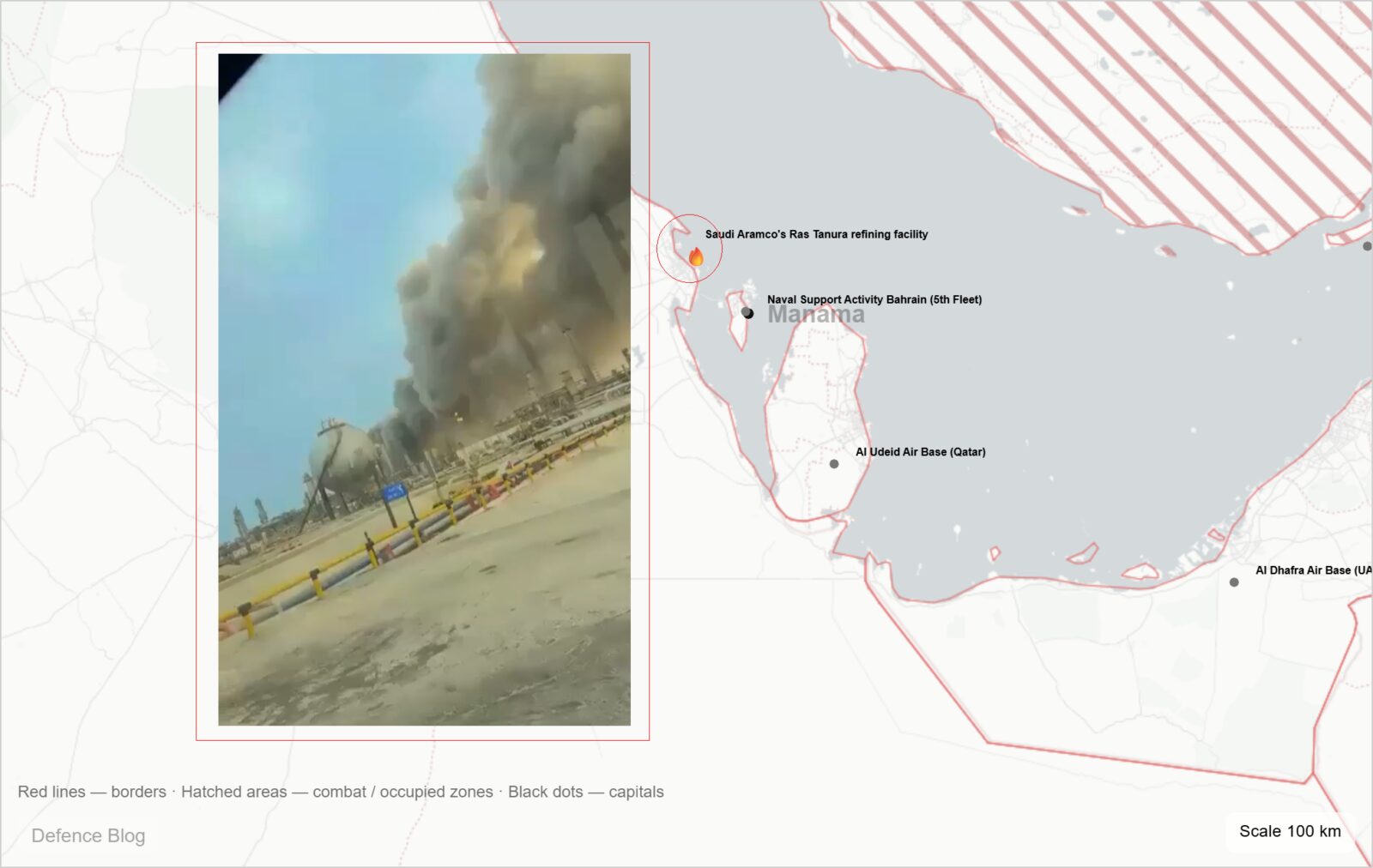
On March 2, 2026, a drone strike on Saudi Arabia’s Ras Tanura refinery triggered a fire at one of the Gulf’s most critical oil facilities. The attack, linked to escalating Middle East tensions, disrupted operations at a site processing 550,000 barrels of oil daily. This incident underscores the growing vulnerability of energy infrastructure to drone warfare and highlights the geopolitical stakes in the region.
The Attack and Immediate Aftermath
Operational Disruption
Saudi Aramco halted refining operations at Ras Tanura after the drone strike, according to industry sources. Verified footage showed flames engulfing parts of the facility, though authorities have not disclosed the full extent of damage. The refinery, a key export hub, serves as a linchpin for Saudi crude shipments through Gulf maritime routes.
Technical Challenges in Detection
Drone attacks on energy infrastructure often exploit low-altitude flight paths and small platforms, evading traditional radar systems. These systems target critical nodes like storage tanks or processing units, where localized damage can cascade into broader operational failures.
Regional Response and Geopolitical Implications
Coalition Condemnation
A joint statement from the U.S., Saudi Arabia, and Gulf allies condemned the strike, affirming their right to self-defense. The coordinated response signals heightened regional cooperation amid escalating threats. Meanwhile, Iran’s role in drone warfare remains a focal point of international scrutiny.
Energy Security Risks
Ras Tanura’s dual role as a refinery and export terminal makes it a strategic target. Even limited damage here can ripple through global oil markets, affecting supply chains and pricing stability. Analysts warn that such attacks could become a recurring tactic in proxy conflicts.
Future Outlook and Mitigation Strategies
- Enhanced Surveillance: Deploying AI-driven radar systems to detect low-flying drones.
- Infrastructure Hardening: Reinforcing storage tanks and processing units with blast-resistant materials.
- International Collaboration: Sharing threat intelligence to preempt cross-border attacks.
Conclusion: A Call for Vigilance
The Ras Tanura incident is a stark reminder of how asymmetric warfare threatens global energy security. As drone technology proliferates, nations must prioritize both defensive measures and diplomatic efforts to de-escalate regional tensions. Stay informed by subscribing to our Weekly Defense Roundup for updates on emerging threats.