Iranian Missile and Drone Attack Wounds U.S. Service Members
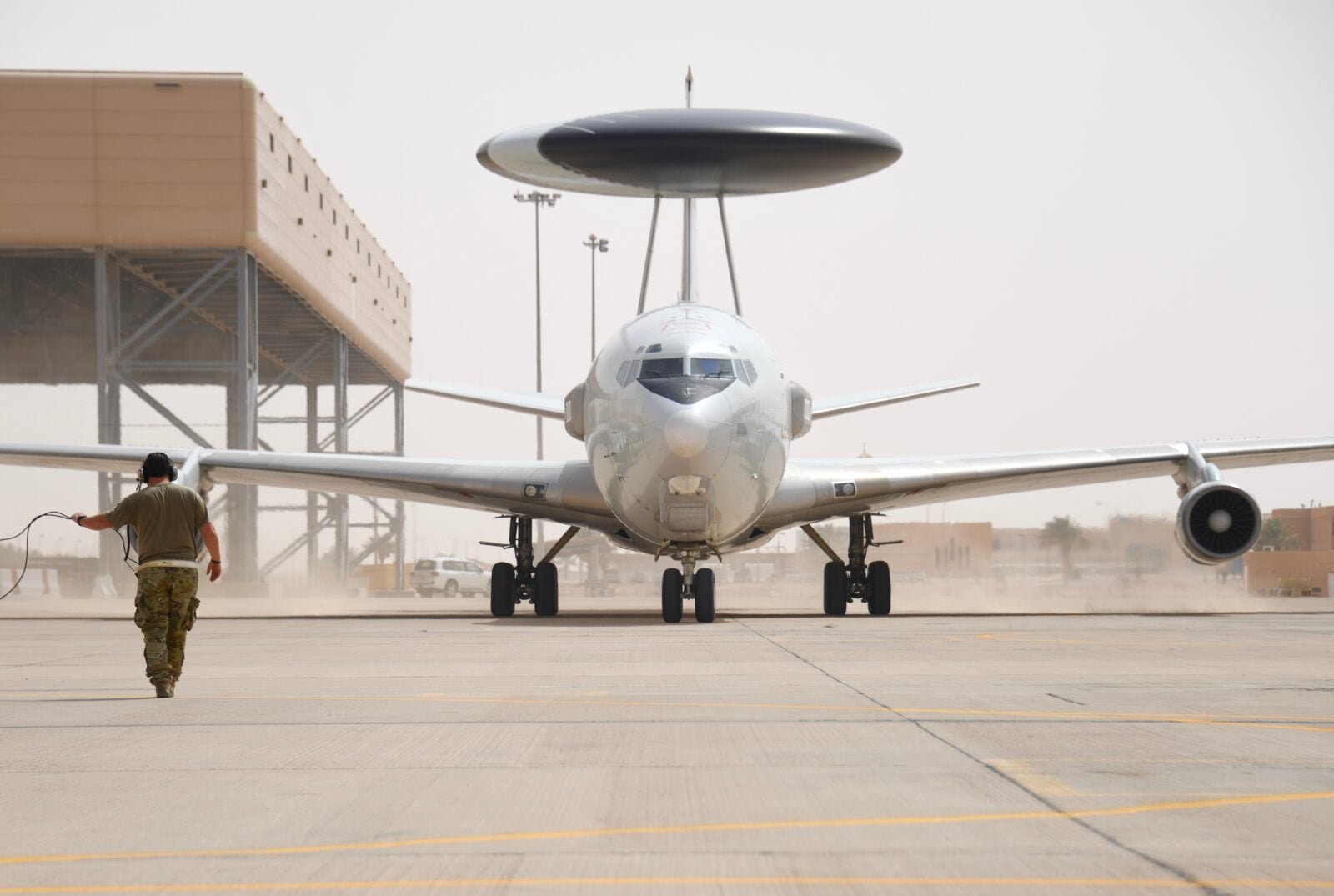
On March 27, 2026, an Iranian missile and drone strike at Prince Sultan Air Base in Saudi Arabia damaged a U.S. E-3 Sentry AWACS aircraft and refueling planes, injuring approximately 10 service members. The attack marks a significant escalation in regional tensions and highlights Iran’s continued capability to target U.S. military assets despite claims of reduced missile and drone activity.
Attack Details and Casualties
The strike involved at least one missile impact and multiple drones, according to Air & Space Forces Magazine. Two service members sustained serious injuries, while others suffered non-life-threatening wounds. U.S. Central Command has not publicly commented on the incident, but initial reports confirm damage to critical aircraft, including aerial refueling platforms and the E-3 AWACS, a key airborne command and control asset.
Strategic Implications of the Attack
Prince Sultan Air Base serves as a linchpin for U.S. air operations in the Middle East. The E-3 Sentry provides airborne early warning, surveillance, and command coordination, while refueling aircraft enable sustained combat missions. Damage to these systems disrupts operational readiness, complicating mission planning and reducing the ability to maintain continuous air presence in volatile regions.
Context: Iran’s Military Capabilities and U.S. Assessments
Despite U.S. claims of destroying over two-thirds of Iran’s missile and drone production facilities, the March 27 attack demonstrates Iran’s persistent ability to strike U.S. positions. This contradicts earlier assessments by U.S. Central Command, which reported a 90% decline in Iranian launches since February 28. The incident underscores the need for vigilance and adaptive defense strategies in the region.
Broader Regional Tensions
The attack follows a pattern of escalating threats. In recent weeks, Iran has vowed retaliation against U.S. involvement in the region, while U.S. forces have reported multiple drone and missile strikes. Operation Epic Fury, the U.S. military campaign in the Middle East, has already seen over 300 service members wounded and 13 fatalities since its inception.
What This Means for Future Operations
- AWACS Vulnerability: The E-3’s role in airborne command makes it a high-value target. Damage to such assets could delay response times to emerging threats.
- Refueling Challenges: Aerial refueling is critical for long-range missions. Disruptions here could limit the reach of U.S. and coalition forces.
- Need for Enhanced Defense: The attack highlights gaps in base security and the necessity for advanced anti-missile and anti-drone systems.
Stay Informed on Regional Security Developments
As tensions in the Middle East continue to evolve, staying updated on military and geopolitical developments is crucial. Follow our Weekly Defense Roundup for in-depth analysis and real-time reporting on conflicts, technology, and global security threats.