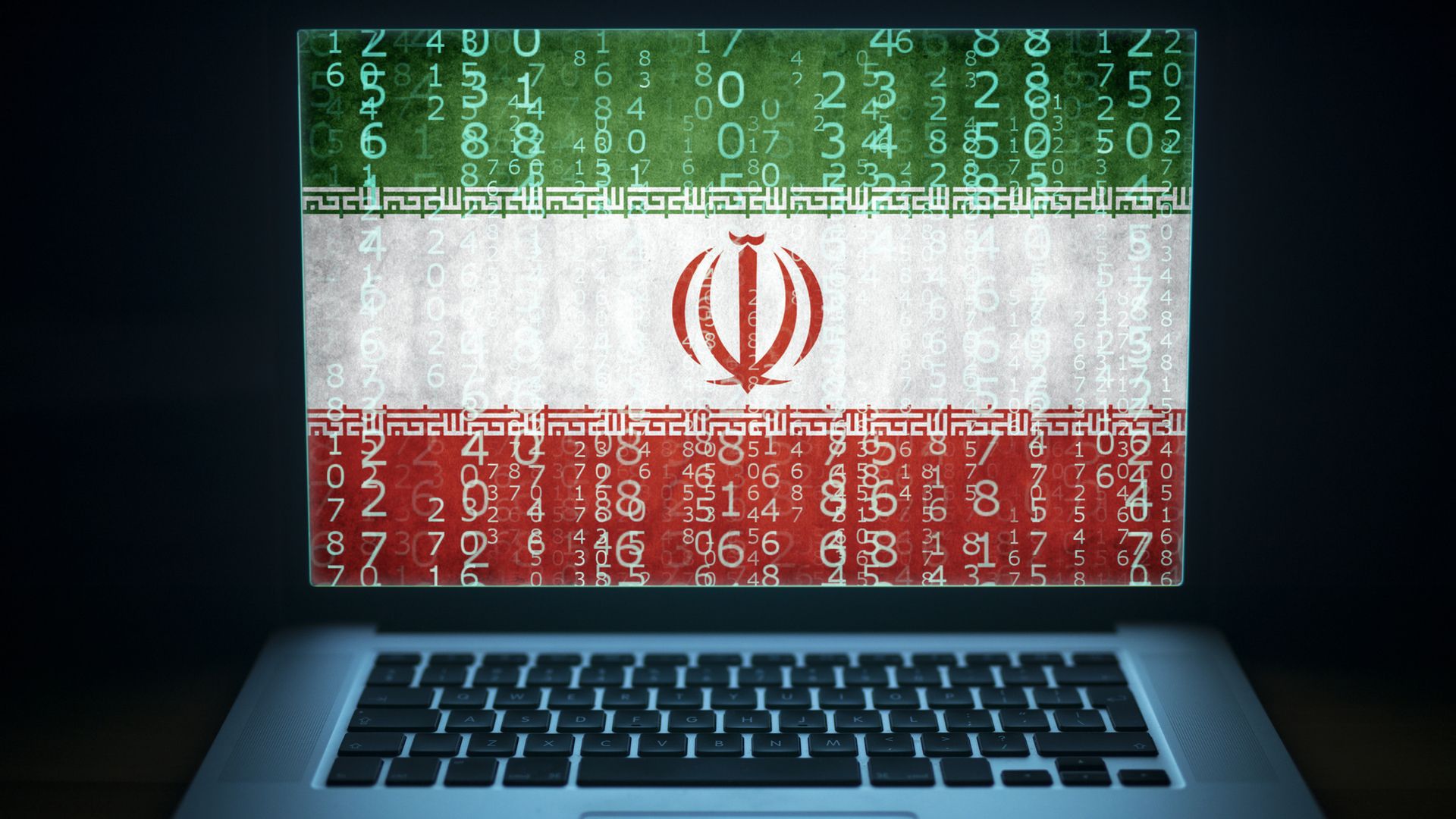
Understanding the Internet Blackout
Iranians are experiencing a near-complete internet shutdown for the third consecutive day, with connectivity dropping to just 1%. This unprecedented blackout has left millions unable to access essential services, communicate with loved ones, or share information about the situation on the ground.
What’s Happening in Iran?
The shutdown began abruptly, with reports of blocked websites, disabled mobile networks, and disrupted Wi-Fi access. Social media platforms like Twitter and Instagram have been inaccessible, while messaging apps like Telegram and WhatsApp are also offline. This deliberate move appears aimed at silencing dissent and controlling the flow of information during a critical period.
Why Is This Happening?
While the Iranian government has not officially commented, experts suggest this blackout could be a response to recent protests or political unrest. Internet shutdowns are a common tool used by authoritarian regimes to suppress opposition and maintain control. The timing aligns with heightened tensions, raising concerns about human rights and digital freedoms.
Global Response and Implications
The international community has condemned the blackout, with organizations like the United Nations and NGOs calling for transparency. Tech companies are also weighing in, though their ability to intervene is limited. This event highlights the growing threat to digital rights and the need for global advocacy.
Impact on Daily Life
- Communication Breakdown: Families are cut off from each other, and emergency services struggle to coordinate.
- Economic Losses: Businesses reliant on online transactions face financial setbacks.
- Information Vacuum: Citizens are left in the dark about local and global news.
Efforts to Restore Connectivity
Local activists are using satellite internet and mesh networks to bypass restrictions. International tech firms are exploring ways to provide temporary solutions, but progress is slow. The Iranian government may restore access once tensions subside, though this remains uncertain.
Conclusion: Staying Informed and Taking Action
The Iran internet blackout underscores the fragility of digital rights in authoritarian regimes. As a global community, we must advocate for internet freedom and support initiatives that protect online access. Share this article to raise awareness and join the call for transparency.
FAQs
1. How long has the Iran internet blackout lasted?
Iranians have faced a near-total internet shutdown for three consecutive days, with connectivity at 1%.
2. What causes internet blackouts in Iran?
Blackouts often follow political unrest and are used to suppress dissent and control information flow.
3. How are people in Iran coping with the blackout?
Some rely on satellite internet or mesh networks, while others face communication and economic challenges.
4. What is the global response to the Iran internet blackout?
International organizations and governments have condemned the shutdown, urging transparency and accountability.
5. Can internet access be restored quickly?
Restoration depends on the Iranian government’s actions, but progress is likely to be slow and conditional.