
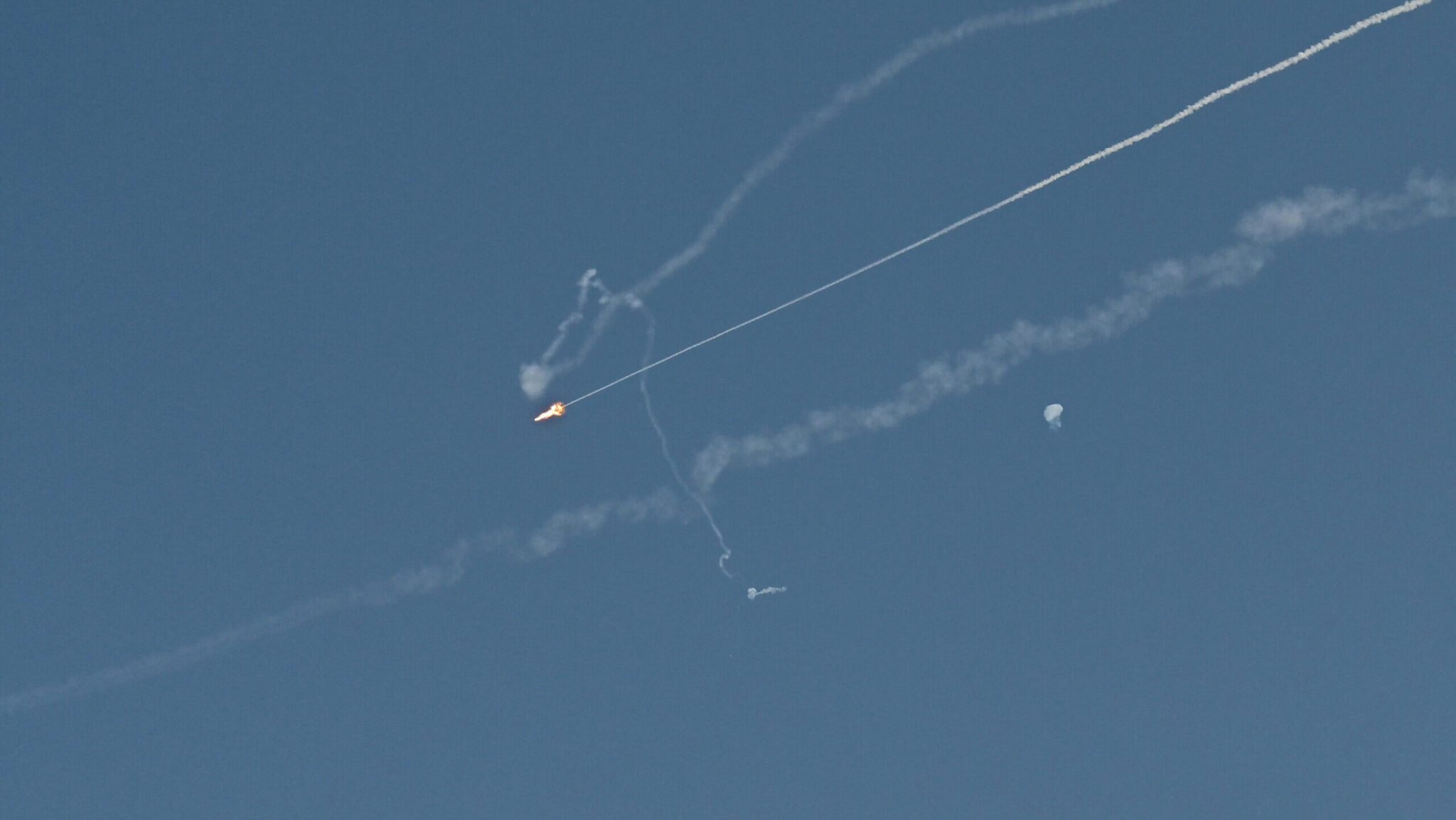
Iran’s Missile Barrage: A New Era of Conflict in the Middle East
The Middle East has witnessed a significant escalation in conflict, with Iran launching hundreds of missiles and drones towards its neighbors in response to a joint attack by Israel and the US. Meanwhile, countries in the region are scrambling to protect civilians, with mixed results. Additionally, the situation has raised concerns about the potential for further escalation.
Regional Impact and Response
For example, in the 36 hours since the war against Iran began, Tehran has launched weapons towards Bahrain, Jordan, Kuwait, Iraq, Qatar, Saudi Arabia, and the United Arab Emirates. However, the scope of the attack has shocked both the Gulf political elite and public. Furthermore, the targeting of civilian infrastructure has been seen as a dangerous escalation.
According to Sinem Cengiz, a researcher at Qatar University’s Gulf Studies Center, ‘For the first time in history, all the GCC states were targeted by the same actor within 24 hours. Their long-standing nightmare scenario has happened.’ Moreover, the attack has raised questions about the potential consequences for the region.
Defending Against the Incoming Fire
Defending against the incoming fire has been an all-of-government situation, said Gulf-based security and defense analyst Kristian Alexander. ‘States across the Gulf Cooperation Council, notably [the] United Arab Emirates, Qatar, Saudi Arabia, Kuwait, and Bahrain, have activated far more than missile-defense batteries,’ he told Breaking Defense. Meanwhile, the use of military aircraft, hardened critical infrastructure, and civil-defense measures has been widespread.
Additionally, the situation has highlighted the importance of effective defense systems and strategies. However, the exact count of what has been launched by Tehran is difficult to determine due to various reasons. Nevertheless, open-source reporting and statements from local governments have shown a sizeable barrage.
Conclusion and Future Implications
In conclusion, the recent missile barrage by Iran has marked a new era of conflict in the Middle East. Therefore, it is essential for countries in the region to develop effective defense strategies and systems to protect civilians. Meanwhile, the international community must work together to prevent further escalation and promote peace and stability in the region.
Finally, the situation has significant implications for the future of the Middle East. As such, it is crucial for countries to prioritize diplomacy and cooperation to address the underlying issues driving the conflict. Additionally, the use of military force should be a last resort, and all efforts should be made to avoid civilian casualties.
Frequently Asked Questions
- What is the current situation in the Middle East regarding the conflict between Iran and its neighbors?
- How have countries in the region responded to the missile barrage by Iran?
- What are the potential consequences of the conflict for the region and the world?
- How can the international community help to prevent further escalation and promote peace and stability in the region?
- What is the focus keyword for this article, and how does it relate to the current situation in the Middle East?








