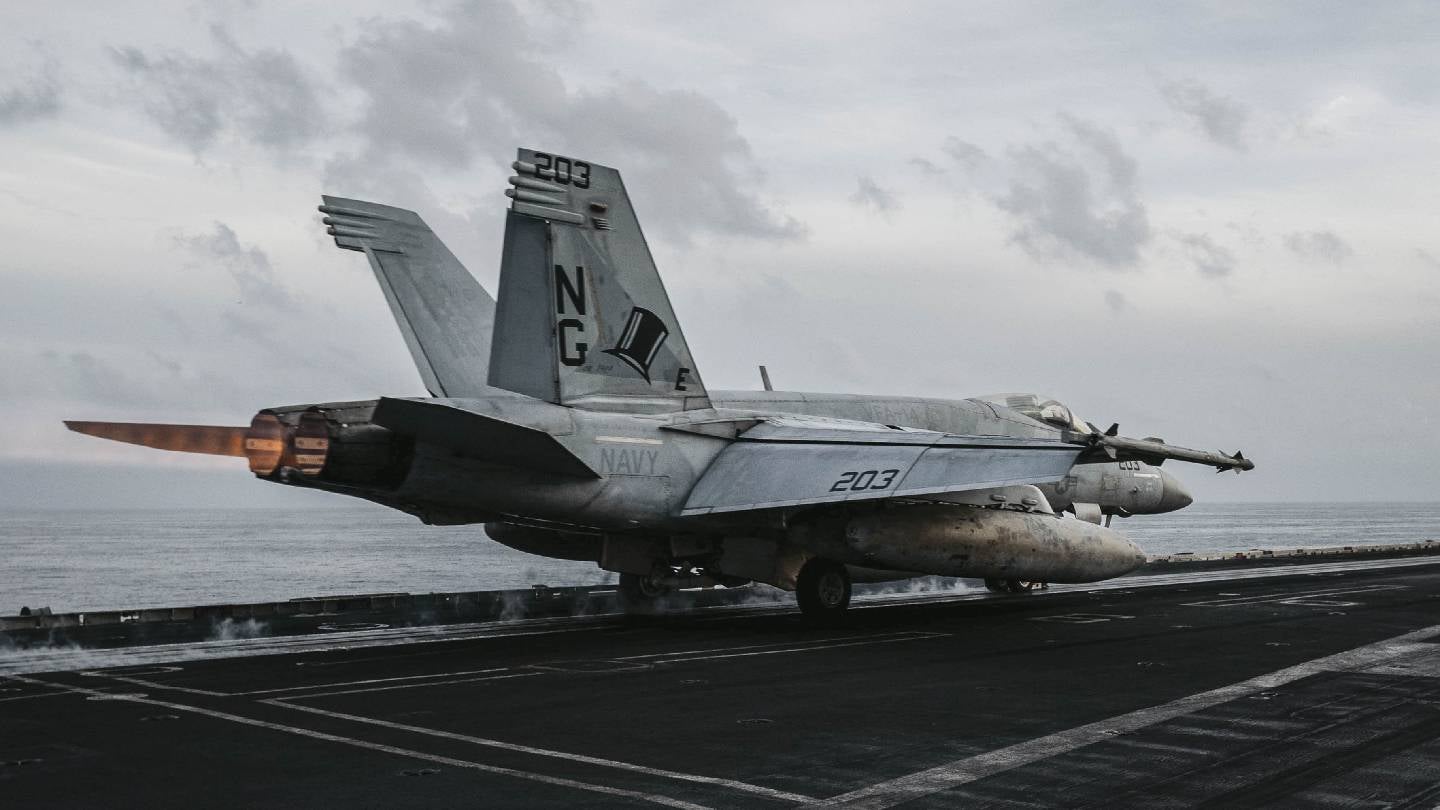
Iran’s Missile Strike Claim on USS Abraham Lincoln: What We Know
Iran’s military has claimed a dramatic escalation in regional tensions by asserting it launched coastal cruise missiles at the USS Abraham Lincoln aircraft carrier. State media reports suggest the strike targeted the U.S. carrier, though the U.S. has neither confirmed nor denied the claim. This article breaks down the facts, implications, and broader context of this alleged incident.
Iran’s Missile Strike Claim: What We Know
According to Iran’s IRNA News Agency, the Army’s Public Relations unit stated that shore-launched cruise missiles successfully hit the USS Abraham Lincoln. The claim was reiterated in a statement posted on X, a platform often used by Iranian state media for strategic messaging.
U.S. Response Remains Ambiguous
U.S. Central Command (CENTCOM) has not confirmed the strike but reported that the carrier “continues flight operations against military targets in Iran.” This ambiguity highlights the challenges of verifying such claims in real time, especially in contested waters.
Iranian Navy’s Strategic Messaging
Separate reports from Press TV, citing sources within Iran’s Army Navy, claim the carrier was forced to alter its position after being targeted. Iranian officials framed the action as a defense of “maritime sovereignty” and a response to what they describe as a “hostile fleet.”
USS Abraham Lincoln: A Powerhouse on the Seas
The USS Abraham Lincoln (CVN 72) is a cornerstone of U.S. naval power. Here are key details about the carrier:
- Length: 1,092 feet
- Displacement: ~97,000 tons
- Aircraft Capacity: Up to 90 aircraft
- Crew Size: 5,680 personnel
Its flight deck spans 4.5 acres, enabling rapid deployment of fighter jets and helicopters. The carrier’s presence in the region underscores U.S. military commitments in the Middle East.
Broader Context: U.S. Naval Operations and Recent Incidents
USS Gerald R. Ford’s Maintenance Halt
Just days before the alleged strike, the USS Gerald R. Ford (CVN 78) docked at Naval Support Activity Souda Bay on Crete for maintenance. This move followed its deployment in the Red Sea, where it participated in Operation Epic Fury.
Fire Incident on USS Abraham Lincoln
On 12 March 2026, a fire broke out in the main laundry area of the USS Abraham Lincoln during its Red Sea operations. While no injuries were reported, the incident highlights the operational risks faced by naval forces in high-tension zones.
What This Means for Regional Security
Iran’s claims, whether true or symbolic, signal a willingness to challenge U.S. military assets. Rear Admiral Shahram Irani’s warning that the carrier remains under constant surveillance adds to the volatility. Meanwhile, the U.S. maintains its focus on counterterrorism and deterrence in the region.
Key Takeaways
- Iran’s missile claims aim to assert maritime dominance.
- The U.S. response remains measured, emphasizing operational continuity.
- Naval incidents like fires and maintenance pauses reflect the complexities of military deployments.
As tensions persist, the international community will closely monitor how both nations manage this delicate standoff. For now, the truth behind Iran’s missile strike claim remains unverified, but the implications are clear: the Middle East remains a flashpoint for geopolitical conflict.
Share your thoughts: Do you believe Iran’s claims are credible? How might this incident shape future U.S.-Iran relations? Let us know in the comments below.