
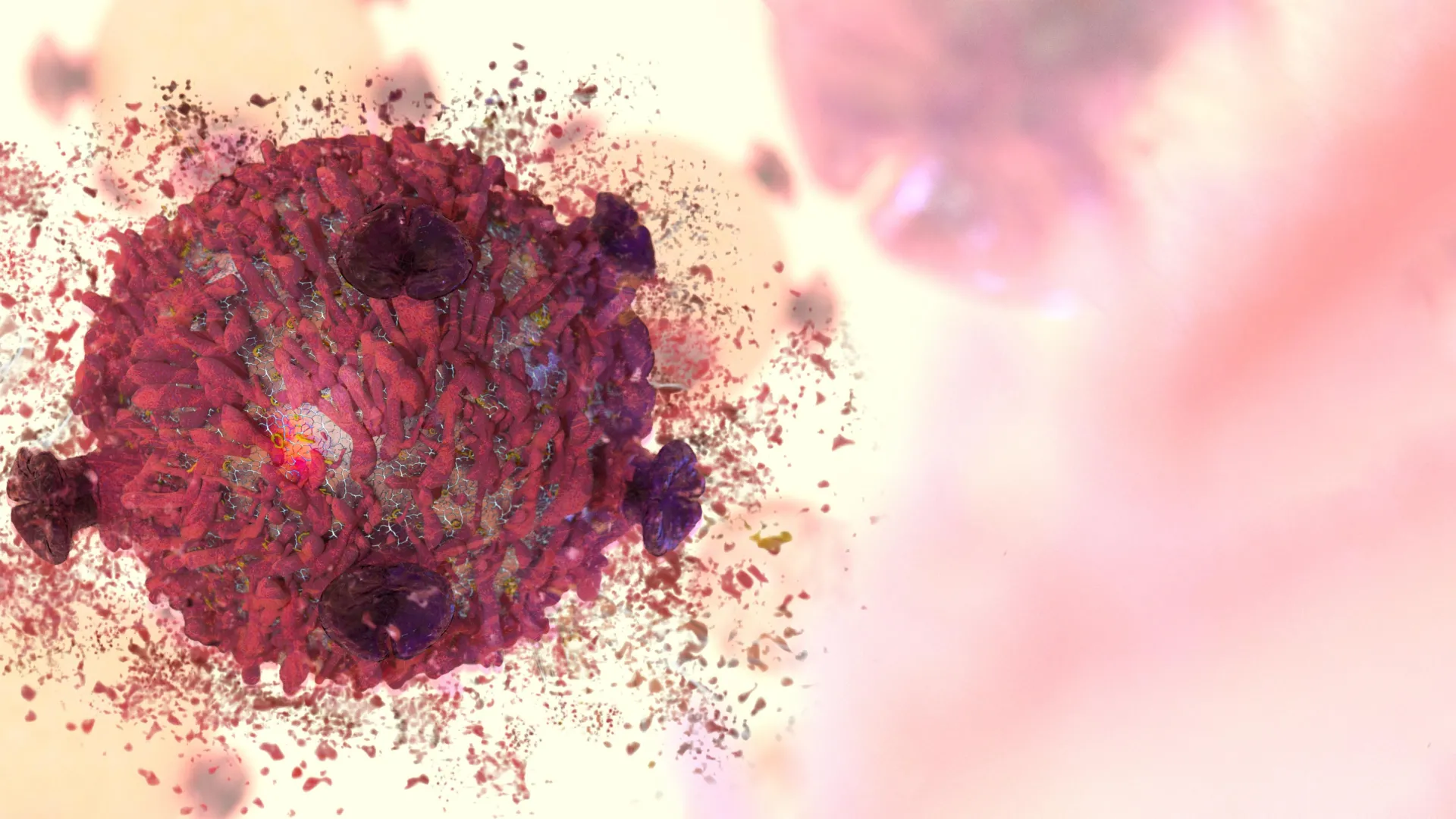
Iron Nanomaterial Destroys Cancer Cells
Researchers at Oregon State University have created a new iron-based nanomaterial that targets and destroys cancer cells without harming healthy tissue.
How it Works
The nanomaterial sparks two intense chemical reactions inside cancer cells, flooding them with cell-damaging oxygen molecules. This dual attack overwhelms cancer cells with oxidative stress while sparing healthy tissue.
For example, in mice with breast cancer, the nanomaterial completely eliminated the cancer without causing side effects. Meanwhile, the researchers plan to test the treatment in additional cancer types, including aggressive pancreatic cancer.
Advantages Over Existing Treatments
Unlike existing treatments, the new nanomaterial produces both hydroxyl radicals and singlet oxygen, increasing its cancer-fighting potential. Additionally, it demonstrated strong toxicity across multiple cancer cell lines while causing minimal harm to noncancerous cells.
Therefore, the researchers believe that this new approach could lead to more effective cancer treatments with fewer side effects. However, more research is needed to determine its safety and efficacy in humans.
Frequently Asked Questions
- What is the focus keyword of this article? The focus keyword is iron nanomaterial.
- How does the nanomaterial work? The nanomaterial sparks two intense chemical reactions inside cancer cells, flooding them with cell-damaging oxygen molecules.
- What are the advantages of the new nanomaterial? The new nanomaterial produces both hydroxyl radicals and singlet oxygen, increasing its cancer-fighting potential.
- Has the nanomaterial been tested in humans? No, the nanomaterial has not been tested in humans yet. However, it has shown promising results in mice with breast cancer.
- What is the next step in the research? The researchers plan to test the treatment in additional cancer types, including aggressive pancreatic cancer.
In conclusion, the new iron-based nanomaterial has shown promising results in destroying cancer cells without harming healthy tissue. However, more research is needed to determine its safety and efficacy in humans.
Finally, if you or someone you know is affected by cancer, it is essential to consult with a healthcare professional to discuss the best course of treatment. Meanwhile, researchers will continue to explore new and innovative approaches to cancer treatment, such as the iron nanomaterial.








