
SEO Title
Is South Korea’s Online Retail Market Controlled by American Firms?
Meta Description
Discover how American companies influence South Korea’s online retail market and the implications for global e-commerce.
Slug
South-Koreas-Online-Retail-Market-American-Ownership
Blog Content
Introduction: A Surprising E-Commerce Power Shift
South Korea’s online retail market is booming, but who’s really calling the shots? Recent reports reveal a surprising trend: American-owned companies now dominate key segments of this fast-growing sector. This shift raises questions about global e-commerce strategies and the future of cross-border retail.
How American Firms Gained Ground
Several factors explain this dominance. American tech giants leverage advanced logistics, AI-driven personalization, and global supply chains to outpace local competitors. For example, platforms like Amazon and eBay have adapted their models to meet South Korean consumer preferences for fast delivery and seamless mobile shopping.
Key Advantages
- Investment in AI and machine learning for personalized recommendations
- Global logistics networks enabling 24/7 delivery
- Strong cybersecurity infrastructure to build consumer trust
Local Players Fighting Back
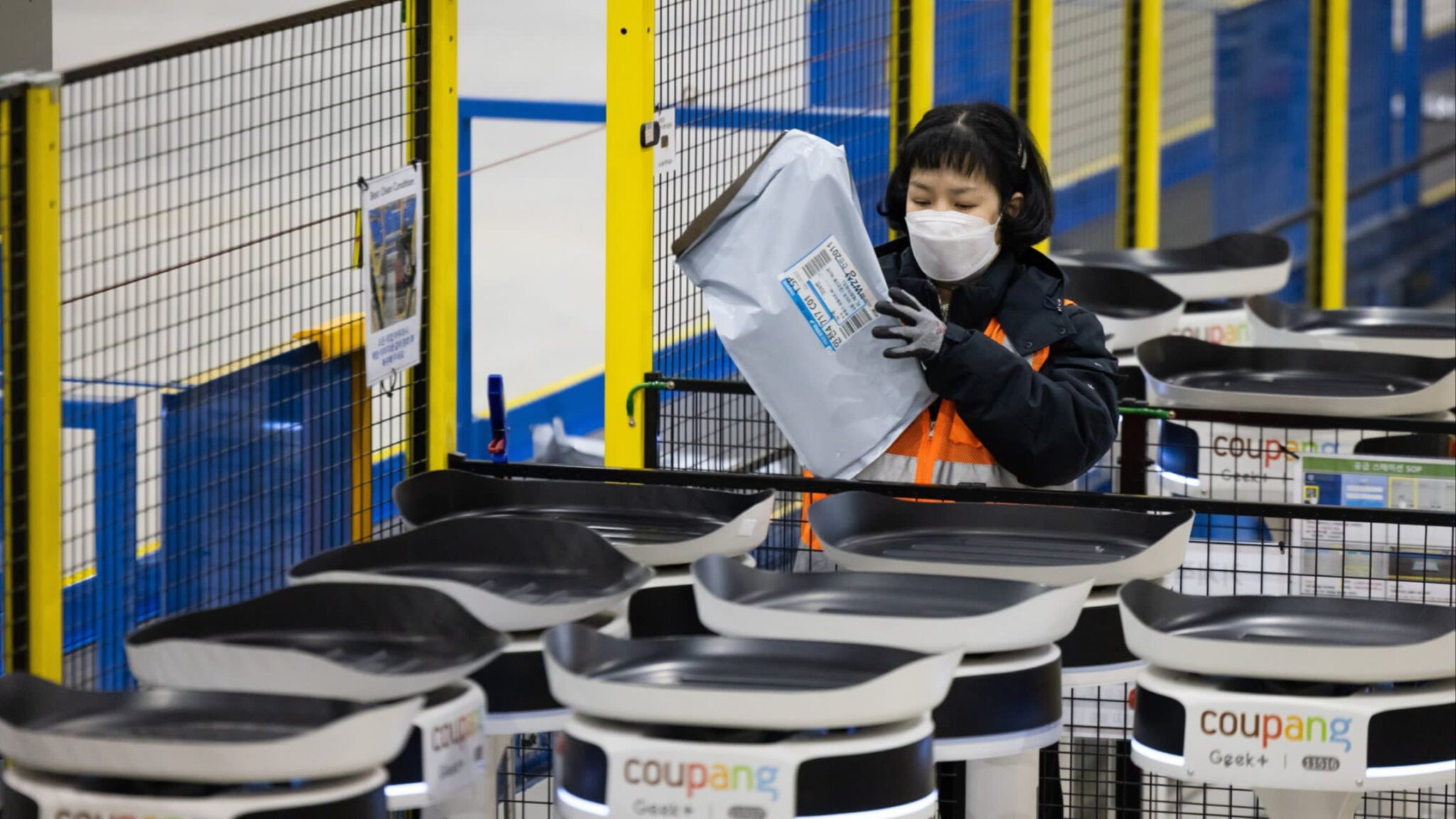
South Korean companies like Coupang and Naver are pushing back with hyper-local strategies. Coupang’s “Same-day delivery” service and Naver’s integration of social commerce features highlight their efforts to retain market share. However, American firms continue to capture attention with aggressive marketing and tech innovation.
Consumer Behavior: Why It Matters
South Korean shoppers prioritize convenience, speed, and variety. American platforms have mastered these elements by:
- Offering 24/7 customer support in multiple languages
- Partnering with local influencers for targeted campaigns
- Integrating payment systems with global financial platforms
Future Outlook and Challenges
While American dominance is strong, challenges remain. Regulatory hurdles, cultural nuances, and rising local competition could reshape the market. Experts predict a hybrid model where global and local players collaborate to meet evolving consumer needs.
Conclusion: What This Means for Global E-Commerce
The South Korean market’s transformation offers lessons for global retailers. Success here requires balancing global efficiency with local relevance. As e-commerce evolves, the line between international and regional players will continue to blur.
Call to Action
Explore how your business can adapt to these global retail trends. Download our free e-commerce strategy guide to stay ahead of the curve.
FAQs
1. Why are American companies dominating South Korea’s online retail market?
They leverage advanced technology, global logistics, and aggressive marketing strategies tailored to South Korean consumer preferences.
2. How do local South Korean retailers compete with American giants?
By focusing on hyper-local services, cultural relevance, and partnerships with domestic influencers and payment platforms.
3. What role does AI play in this market shift?
AI powers personalized shopping experiences, demand forecasting, and supply chain optimization for both global and local players.
4. Are there regulatory challenges for foreign e-commerce companies in South Korea?
Yes, data privacy laws and local content regulations require foreign firms to adapt their operations to comply with South Korean standards.
5. What’s next for South Korea’s e-commerce landscape?
Expect increased collaboration between global and local players, with a focus on sustainability and AI-driven customer experiences.








