ISPTech Secures €5.5M to Revolutionize In-Orbit Mobility
German space tech startup ISPTech has raised €5.5 million in seed funding to advance its non-toxic propulsion systems, addressing critical gaps in in-orbit mobility. The investment, led by Join Capital and supported by High-Tech Gründerfunds and the German Aerospace Center (DLR), will accelerate manufacturing, testing, and commercial deployment of its cutting-edge technologies.
Why In-Orbit Mobility Matters
As satellite constellations expand and missions grow more complex, spacecraft require precise, agile maneuvering to avoid collisions and adjust orbits. Traditional propulsion systems—often reliant on toxic hydrazine—are increasingly outdated due to safety concerns and regulatory pressures. ISPTech’s solutions aim to redefine this landscape with safer, more responsive alternatives.
Challenges in Current Propulsion Systems
- Agility Limitations: Legacy systems lack the thrust and responsiveness needed for rapid orbital adjustments.
- Environmental and Safety Risks: Toxic propellants pose hazards during manufacturing, launch, and in-space operations.
- Regulatory Shifts: Global policies are phasing out hydrazine, pushing the industry toward greener alternatives.
ISPTech’s Propulsion Innovations
ISPTech’s portfolio includes two flagship systems: HyNOx and HIP_11, designed for agile in-orbit maneuvering across satellite classes. These systems prioritize safety, scalability, and performance, with applications spanning commercial, defense, and in-orbit servicing missions.
Key Features of ISPTech’s Technology
- Non-Toxic Propellants: Eliminates risks associated with hydrazine, aligning with global safety standards.
- High Thrust-to-Weight Ratio: Enables rapid orbital adjustments and collision avoidance.
- Modular Design: Adaptable for small satellites, large constellations, and future in-orbit refueling.
Commercial Progress and Launch Plans
ISPTech is preparing for its first operational mission in 2026, with CubeSat units undergoing final testing. The company reports strong early traction with satellite manufacturers and mission operators, supported by ESA-backed projects for HIP_11 development and orbital refueling research.
Long-Term Vision
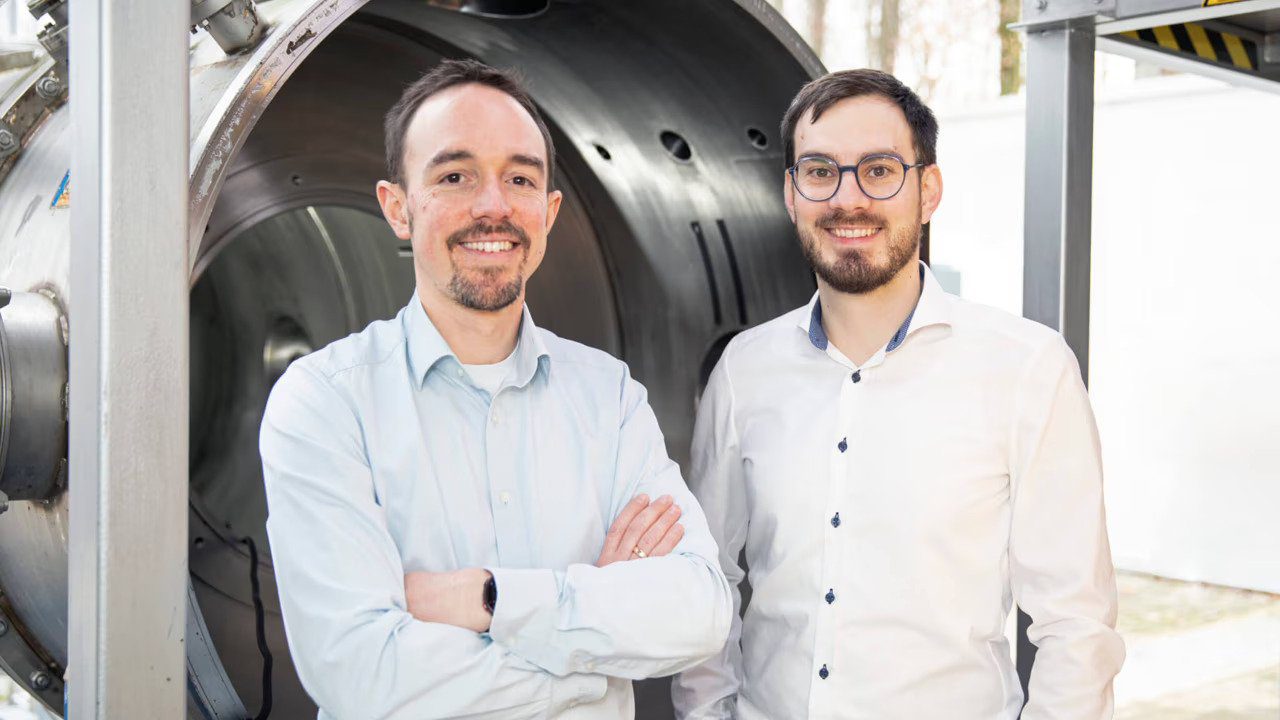
Dr. Lukas Werling, CEO and co-founder, emphasizes that future space growth hinges on improved in-orbit mobility. ISPTech aims to enable flexible satellite operations, from real-time constellation reconfiguration to in-orbit servicing, creating a more sustainable and scalable space ecosystem.
Why This Matters for the Space Industry
The €5.5M funding round underscores a broader shift toward safer, more efficient propulsion technologies. By addressing the limitations of legacy systems, ISPTech positions itself at the forefront of a market projected to grow as satellite demand surges. Investors and partners recognize the potential to transform how spacecraft navigate, operate, and evolve in orbit.
Conclusion: A New Era for Space Mobility
ISPTech’s breakthroughs in in-orbit mobility are not just about propulsion—they’re about redefining the possibilities of space exploration. With robust funding and a clear roadmap, the company is poised to lead the transition to safer, smarter, and more agile satellite operations. Stay tuned for updates on their 2026 launch and future mission expansions.
FAQs
How does ISPTech’s in-orbit mobility technology improve satellite operations?
ISPTech’s non-toxic propulsion systems enable rapid, precise orbital adjustments, reducing collision risks and enhancing mission flexibility for satellites of all sizes.
Who are ISPTech’s key investors?
The seed round was led by Join Capital, with participation from High-Tech Gründerfunds, DLR, and other venture firms focused on space innovation.
What are the main applications of ISPTech’s propulsion systems?
Applications include commercial satellite constellations, defense missions, in-orbit servicing, and future refueling operations.
When is ISPTech’s first mission scheduled?
The company’s first small-satellite mission using its propulsion technology is set for launch in 2026.
How does ISPTech address environmental concerns in space tech?
By replacing toxic hydrazine with non-toxic propellants, ISPTech reduces environmental and safety risks during all mission phases, aligning with global regulatory trends.