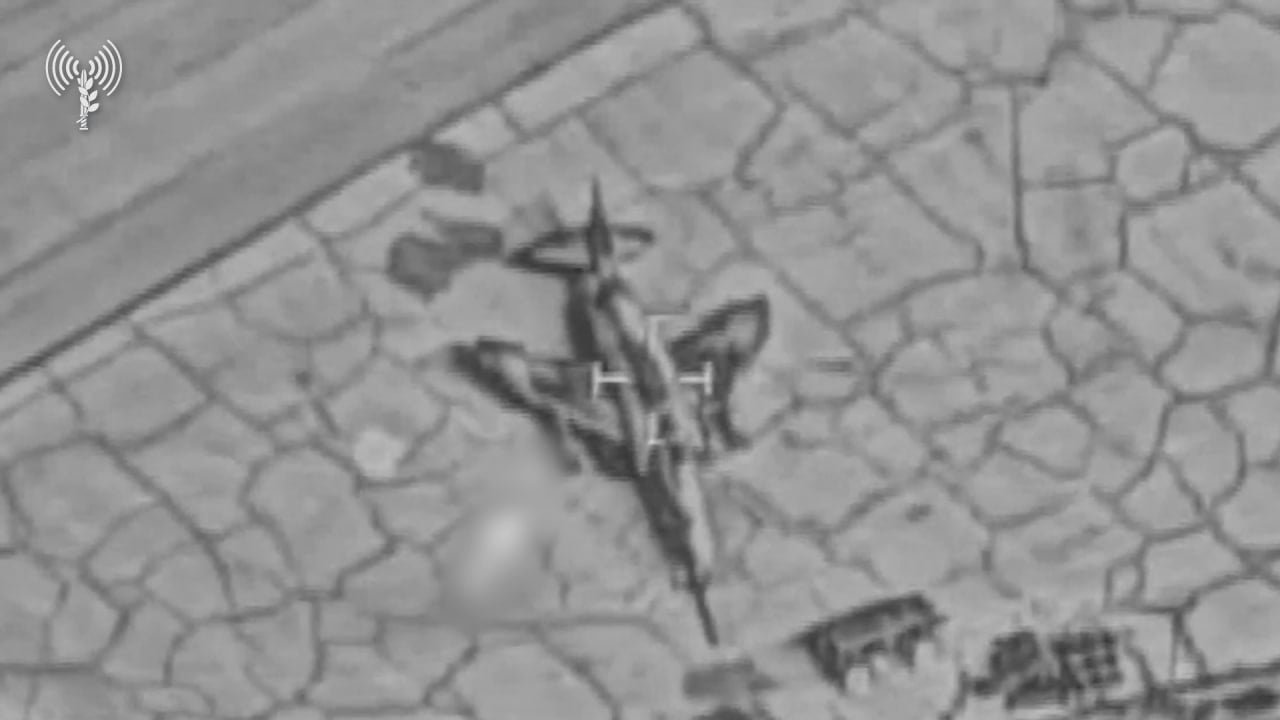
Israel Targets Iranian F-4 and F-5 Jets in Strategic Airbase Strike
On March 1, 2026, the Israel Defense Forces (IDF) confirmed a precision strike against Iranian F-4 Phantom II and F-5 Tiger II fighter jets at Tabriz airbase in western Iran. The operation, part of ongoing efforts to degrade Iranian military infrastructure, targeted aircraft prepared for takeoff, alongside ballistic missile launchers and radar systems. This move aims to neutralize potential threats to Israeli territory before they can be deployed.
Key Details of the Operation
- Aircraft Targeted: F-4 Phantom II and F-5 Tiger II jets, some of Iran’s oldest operational fighters.
- Strategic Goals: Disrupt Iranian air capabilities and reduce missile defense systems.
- Operational Context: Part of a broader campaign to preempt Iranian military actions.
Why Target Grounded Aircraft?
Striking aircraft on the ground is a cost-effective method to degrade an adversary’s combat readiness. By destroying jets before takeoff, Israel minimizes the risk to its own pilots while crippling Iran’s ability to launch retaliatory strikes. The IDF emphasized that this operation “deepens damage to the regime’s defense systems” and limits Iran’s operational flexibility.
Historical Context of Iranian Fighters
The F-4 Phantom II and F-5 Tiger II are relics of Iran’s pre-1979 U.S.-supplied arsenal. Despite aging, these aircraft remain in service due to local modernization programs. Their destruction at Tabriz represents a symbolic and tactical blow to Iran’s air force.
Broader Implications for Regional Security
The strike follows recent Iranian threats to target U.S. bases in the region. While Israeli officials did not directly reference these claims, the operation underscores a shift toward proactive defense. Targeting radar systems and missile launchers also creates operational advantages for future Israeli or allied air campaigns.
Challenges and Verification
Independent confirmation of the jets’ operational status remains unclear. Were they fully mission-ready, undergoing maintenance, or decoys? The IDF’s statement highlights the strategic ambiguity often surrounding such operations.
Conclusion and Next Steps
Israel’s strike at Tabriz airbase reflects a calculated effort to preempt Iranian aggression. As tensions escalate, monitoring the regime’s response—and its ability to rebuild critical infrastructure—will be crucial. For readers, staying informed about regional military dynamics is essential in understanding the evolving Middle East conflict.
FAQs
What was the impact of Israel’s strikes on Iranian fighter jets at Tabriz airbase?
The operation damaged or destroyed F-4 and F-5 jets, reducing Iran’s immediate air combat capabilities and disrupting its missile defense networks.
How does targeting grounded aircraft affect military strategy?
Destroying aircraft on the ground avoids direct air-to-air combat, limits pilot exposure, and degrades an adversary’s ability to launch retaliatory missions.
Why are F-4 and F-5 jets significant in Iran’s military?
These aircraft, acquired before the 1979 revolution, form a backbone of Iran’s air force despite aging. Their destruction weakens Iran’s operational readiness.
What role do radar systems play in this conflict?
Disabling radar installations allows attacking forces greater freedom in contested airspace, reducing the risk of interception.
How does Israel justify these preemptive strikes?
The IDF frames the operations as necessary to “thwart threats to the home front” and protect national security from Iranian aggression.