
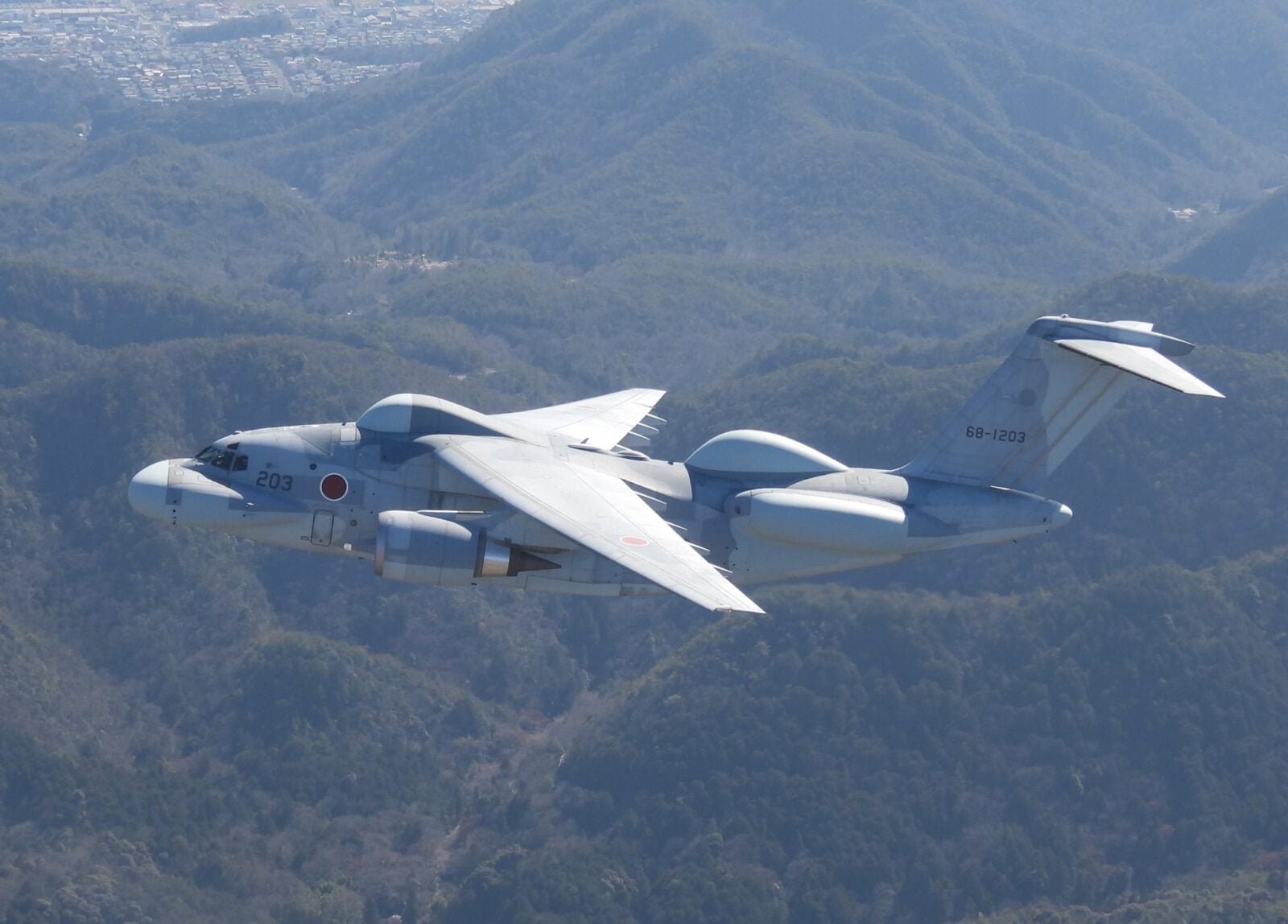
Japan’s EC-2 Electronic Warfare Aircraft: A Game-Changer in Modern Air Defense
Japan has taken a bold step in modernizing its air defense capabilities with the successful first flight of the EC-2 electronic warfare aircraft. This cutting-edge platform, developed to disrupt enemy radar and communication systems from a safe distance, marks a significant leap forward in Japan’s ability to operate in contested electromagnetic environments. As tensions in the region escalate, the EC-2 represents a strategic investment in safeguarding national airspace while minimizing exposure to surface-to-air threats.
What is the EC-2 Electronic Warfare Aircraft?
The EC-2 is Japan’s first domestically developed stand-off electronic warfare aircraft, designed to conduct high-intensity jamming missions outside the range of enemy air defenses. Built on the Kawasaki C-2 transport aircraft, it replaces the aging EC-1 fleet, which operated since the 1980s. This upgrade reflects Japan’s commitment to maintaining technological superiority in the electromagnetic spectrum—a critical domain in modern warfare.
Key Features of the EC-2
- Advanced Jamming Capabilities: Disrupts radar, communications, and sensor networks across the electromagnetic spectrum.
- Extended Range: Operates far from threat zones, reducing risk to pilots and aircraft.
- Modular Design: Allows rapid upgrades to counter evolving enemy systems.
How the EC-2 Works: Disrupting Enemy Systems from Afar
The EC-2 functions as an airborne “electronic smokescreen.” By emitting targeted interference signals, it degrades the accuracy of enemy radar and communication systems. This creates a “blind spot” for adversaries, enabling allied aircraft to operate with reduced risk. For example, during a hypothetical conflict, the EC-2 could neutralize integrated air defense networks, allowing strike aircraft to penetrate contested airspace safely.
Strategic Advantages of Stand-Off Jamming
- Survivability: Avoids direct engagement with surface-to-air missiles by operating beyond their range.
- Flexibility: Can adapt to multiple mission profiles, from jamming to signal intelligence gathering.
- Force Multiplier: Enhances the effectiveness of entire air operations without requiring specialized modifications to other aircraft.
Replacing the EC-1: A New Era in Japanese Air Defense
The EC-2 succeeds the EC-1, a modified C-1 transport aircraft that served Japan for decades. While the EC-1 provided foundational electronic warfare capabilities, the EC-2 offers three major improvements:
- Modern Airframe: The Kawasaki C-2 platform provides greater speed, range, and payload capacity.
- Next-Gen Electronics: State-of-the-art jamming systems capable of countering networked air defense systems.
- Operational Scalability: Designed for future upgrades to address emerging threats like AI-driven radar systems.
Why the EC-2 Matters for Global Security
Electronic warfare has become a cornerstone of 21st-century military operations. The EC-2’s deployment aligns with Japan’s broader strategy to strengthen cross-domain capabilities, particularly in the electromagnetic spectrum. As noted by the Japan Air Self-Defense Force (JASDF), “Through effective electronic jamming, the EC-2 supports the execution of air operations in contested environments.” This capability is especially critical in regions where integrated air defense systems pose significant risks to conventional aircraft.
Regional Implications
The EC-2’s introduction sends a clear message to regional actors about Japan’s technological readiness. By operating beyond the reach of surface-to-air threats, the aircraft enables Japan to project power without escalating conflicts. This approach complements allied efforts, such as U.S. and South Korean electronic warfare initiatives, creating a layered defense network in the Indo-Pacific.
Future of Electronic Warfare in Japan
The EC-2 is just the beginning. Japan plans to integrate AI and machine learning into future electronic warfare platforms, enabling real-time threat analysis and adaptive jamming. These advancements will ensure Japan remains at the forefront of electromagnetic warfare—a domain that will only grow in importance as conflicts become increasingly digitized.
What’s Next?
With the EC-2 now in active testing, the JASDF aims to achieve full operational capability by 2028. This timeline aligns with Japan’s National Defense Program Guidelines, which prioritize “integrated deterrence” through technological innovation. As development progresses, expect to see:
- Collaboration with international partners on joint electronic warfare exercises.
- Investment in training programs for specialized EC-2 operators.
- Integration with space-based surveillance systems for enhanced situational awareness.
Conclusion: A New Chapter in Air Superiority
The EC-2 electronic warfare aircraft represents a transformative leap for Japan’s air defense strategy. By combining advanced technology with strategic foresight, this platform ensures Japan can protect its airspace while supporting broader regional stability. As electronic warfare continues to shape the battlefield, the EC-2 stands as a testament to Japan’s commitment to innovation and security.
Stay informed about defense advancements. Subscribe to our weekly newsletter for updates on cutting-edge military technology and global security trends.








